
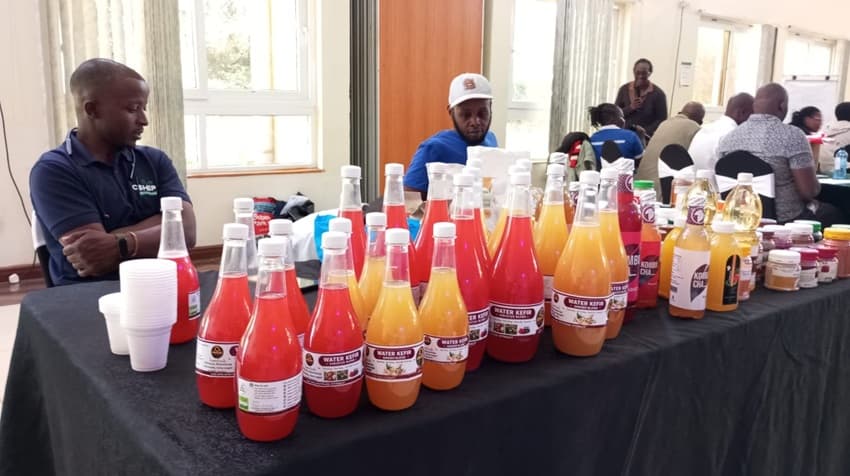
Kenya’s organic agriculture sector is seeking to expand market access and strengthen food systems as stakeholders meet in Nairobi for the 4th Kenya National Participatory Guarantee Systems (PGS) Workshop.
The two-day workshop, hosted by the Kenya Organic Agriculture Network (KOAN) has brought together more than 50 participants to discuss the role of community-based certification in promoting organic farming.
Held under the theme “Developing Participatory Guarantee Systems (PGS) as a Core Enabler of Agroecological Transformation: Building Trust, Markets, and Resilient Food Systems,” the meeting brings together representatives from Kenya’s 35 approved Kilimohai PGS groups, civil society organisations, organic traders and retailers.
Participating organisations include PELUM Kenya, BvAT, SACDEP Kenya, Slow Food Kenya and RODI Kenya.
Participatory Guarantee Systems are community-based quality assurance mechanisms through which farmers, consumers and other stakeholders jointly verify that agricultural produce meets organic and agroecological standards.
The systems provide an alternative approach to organic certification, particularly for smallholder farmers targeting local markets, where the cost of conventional certification can be a barrier.
Kenya currently has more than 4,000 farmers participating in PGS groups, helping expand access to organic products in small towns and local markets.
The growth of these networks comes amid an expansion of the country’s organic agriculture sector. Data cited by KOAN shows that land under organic management reached 176,200 hectares in 2024, while annual turnover stood at KSh545.7 million.
The workshop is expected to strengthen collaboration among farmers, civil society groups and market actors to build consumer trust, widen market opportunities for organically produced food and support more resilient food systems.

Comments
No comments yet. Be the first to share your thoughts.