
Kenya is turning to digital technology, artificial intelligence and private-sector partnerships to address a shortage of agricultural extension officers and improve farmers’ access to professional advice.
The reforms aim to boost productivity, strengthen food security and create jobs for young agricultural professionals.
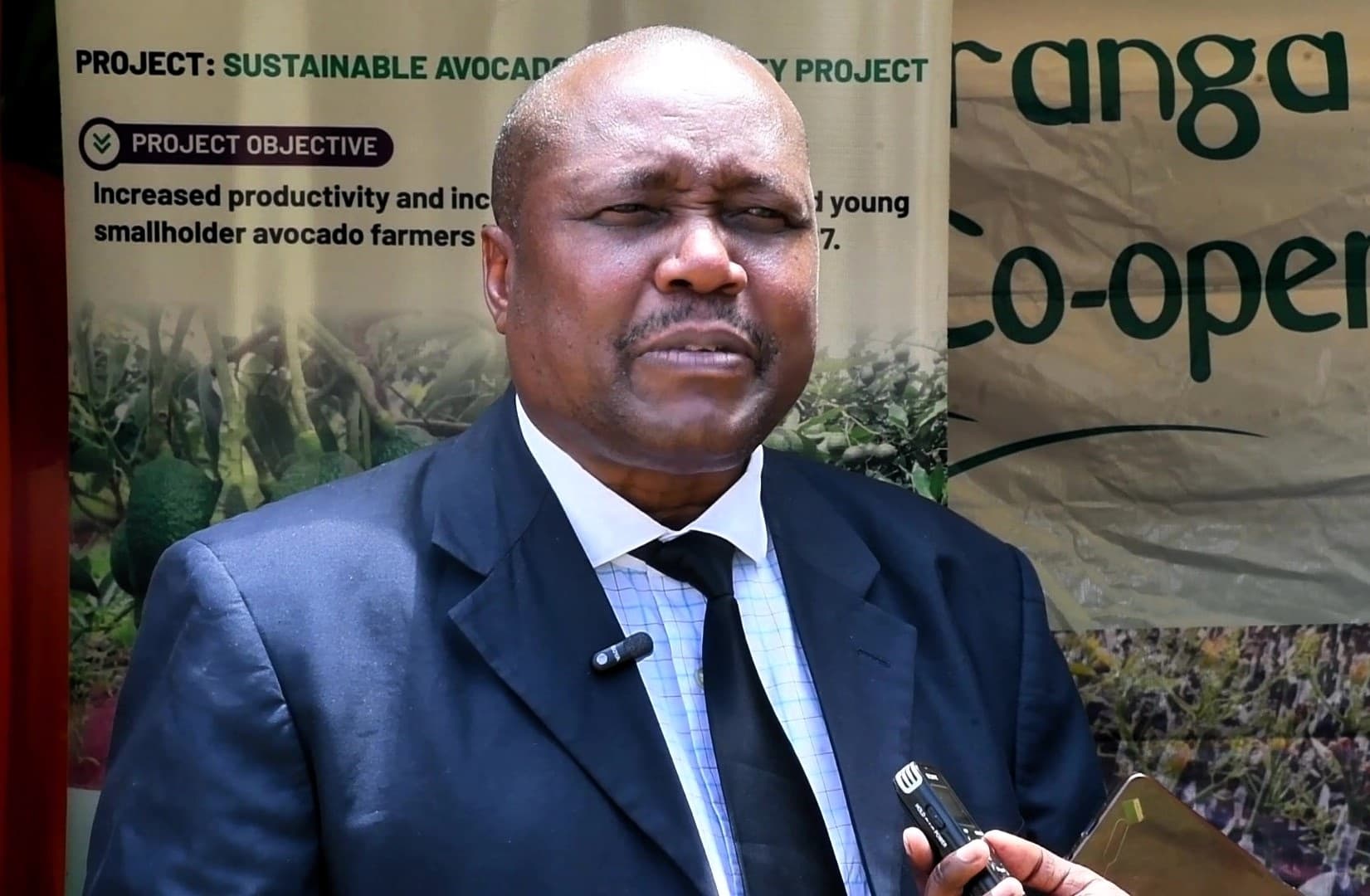
Speaking at the fourth National Agricultural Extension Conference organised by the Forum for Agricultural Advisory Services–Kenya (KeFAAS) at KALRO Kabete, Douglas Kangi, Director of the Crop Resources Management Directorate in the State Department for Agriculture, said effective extension services were critical to transforming agriculture.
“Without effective and efficient extension services, we cannot achieve the broader mandate of ensuring that Kenya is food and nutrition secure,” Kangi said.

He noted that limited recruitment and rising retirements had left the country with too few extension officers to serve its farming population.
The Agriculture Sector Transformation and Growth Strategy recommends one officer for every 600 farmers, but Kenya remains far below that target.
The Kenya Agricultural Sector Extension Policy (KASEP), developed in 2023, seeks to bridge the gap by coordinating national and county governments, private companies, non-governmental organisations and development partners.
The policy prioritises digital advisory services and proposes a regulatory body to register extension providers and enforce professional standards.
Kangi said the Kenya Integrated Agriculture Management Information Service (KIAMIS), which he reported had registered 8.9 million farmers, would serve as a central platform for agricultural information and digital advisory tools covering crops and livestock.
The system is expected to incorporate artificial intelligence and climate-smart farming solutions.
Tigania West MP and National Assembly Agriculture Committee chairman Dr John Mutunga urged the Senate to expedite legislation establishing a legal framework for agricultural extension and professionalising the sector.
The proposed law seeks to link universities, research institutions and extension providers through an agricultural information repository, while establishing diagnostic centres at county or sub-county level to help farmers identify crop and livestock problems.
Mutunga said the absence of professional regulation had left farmers relying on advice from agro-vet shop attendants and other input suppliers, some of whom lacked adequate technical training.
A separate bill on agricultural professionals and technicians proposes registration, certification, ethical standards and accountability mechanisms.
Mutunga said formal recognition would enable qualified specialists to provide reliable advice and offer private extension services.
He added that professionalising the sector would help farmers make informed decisions on seeds, soil management, pest control, irrigation and livestock breeding while protecting them from misinformation and counterfeit inputs.
Mutunga also called for agricultural courses to focus more on practical skills and regional farming needs.

He said aggregating smallholder production would help guarantee raw materials for processors, attract investment and create jobs through large-scale agro-processing.
KeFAAS CEO Peter Mwangi said digital extension and private-sector participation could help address staffing gaps while creating employment for qualified agricultural graduates.
Founded in 2016, KeFAAS marked its 10th anniversary during the conference.
Mwangi cited disparities in staffing across counties, saying Murang’a had more than 12,000 farmers for every extension officer, while some other areas had ratios of about one officer to 4,000 farmers.
He attributed the shortages to limited recruitment and the retirement of existing personnel without adequate replacements.
KeFAAS is training young agricultural graduates to use digital platforms and artificial intelligence to provide advisory services for a fee, expanding farmers’ access to expertise while creating income opportunities for young agripreneurs.
Mwangi said implementing KASEP would improve coordination between public and private providers and establish a more sustainable extension system.
The conference, held under the theme From Silos to Systems: Strengthening Agricultural Extension and Advisory Services for Sustainable Food Systems, brought together stakeholders to explore ways of improving knowledge sharing and agricultural service delivery.
Participants called for closer collaboration among government agencies, research institutions, universities, private companies and development partners to reduce duplication and ensure innovations reach farmers.
They advocated an integrated approach linking research, extension, production, processing, marketing and finance. The proposed policy identifies three financing models: public funding, cost-sharing and private-sector delivery.
Stakeholders said sustainable financing, digital integration and stronger coordination between national policy and county implementation would be essential to expanding access to agricultural advice.
The conference is expected to produce a joint action plan outlining priority intervention for the coming year, with the broader goal of improving productivity, strengthening rural livelihoods and advancing Kenya’s food and nutrition security.
By Joseph Ng’ang’a


Comments
No comments yet. Be the first to share your thoughts.