
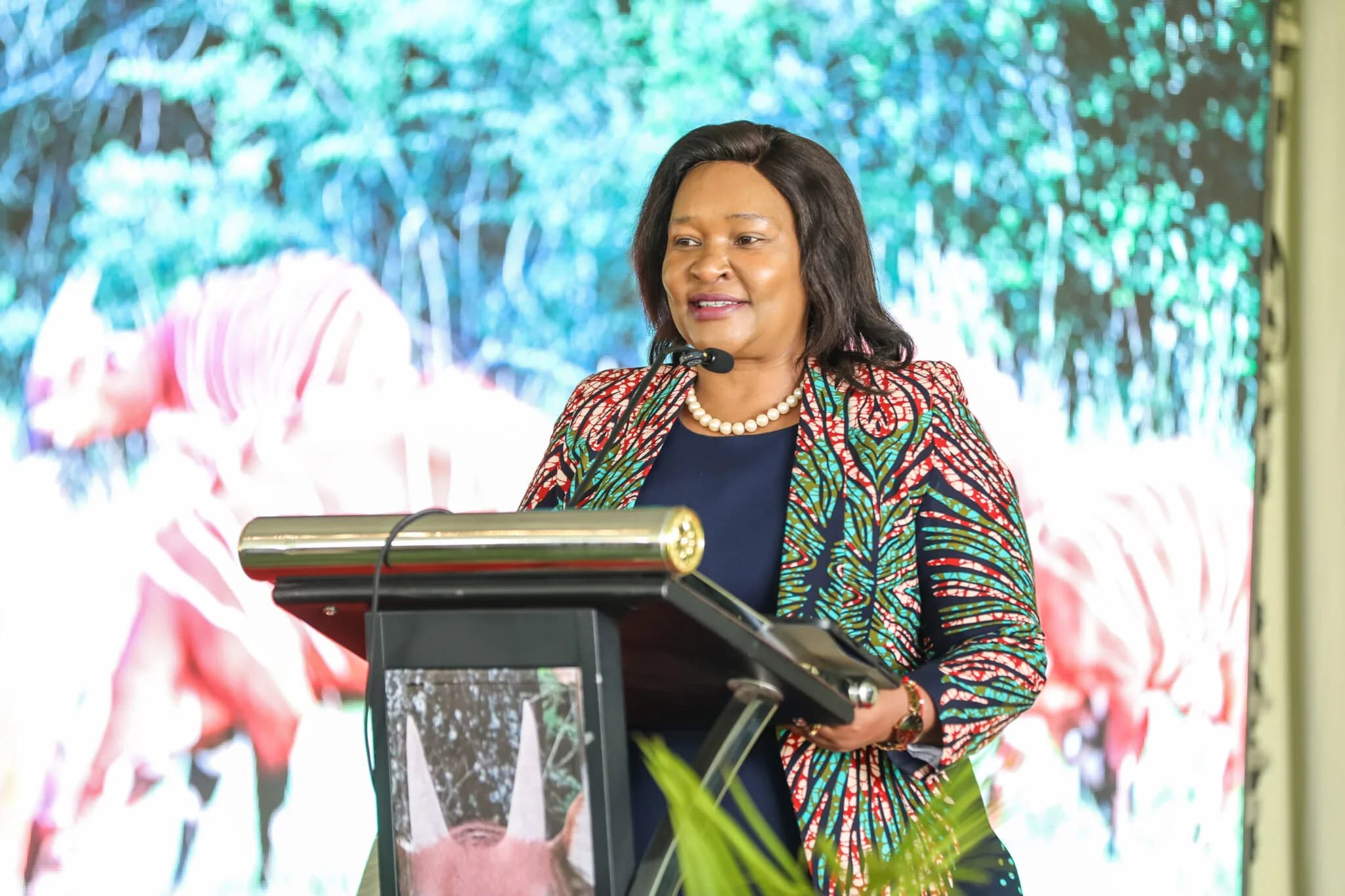
NAIROBI, Kenya, Sept 24 – Kenya is turning to artificial intelligence, GPS tracking and camera-trap technology to rebuild the population of the critically endangered mountain bongo, in a conservation programme.
The National Recovery and Action Plan for the Mountain Bongo 2026–2030 will combine technology, conservation breeding, habitat restoration and ranger patrols to monitor the remaining animals and prepare them for reintroduction into parts of their historic range.
Fewer than 65 mountain bongos are estimated to remain in the wild, although conservation authorities say the actual population could be higher because the animals live in dense forests and are difficult to detect.
AI-enabled cameras and conventional camera traps will help identify animals, establish their distribution and track how they use fragmented forest habitats, while GPS technology will monitor movements of animals released into the wild.
The data will be used to determine suitable sites for population reinforcement and reintroduction, including Mount Kenya and Eburu Forest.
The technology-driven approach is expected to reduce reliance on conventional wildlife monitoring while generating data that can guide decisions on habitat protection, animal health and forest management.
KWS Director General Erustus Kanga said the programme would focus on protecting existing populations while restoring habitats and preparing animals for responsible reintroduction.
“Our task is clear: protect what remains, restore what has been lost, reconnect what has become isolated, strengthen breeding and reintroduce responsibly.”
The recovery programme is also being positioned as an economic opportunity for communities living around bongo habitats, with Community Forest Associations expected to participate in monitoring, conservation education and livelihood programmes.
Tourism and Wildlife Cabinet Secretary Rebecca Miano said the plan seeks to link forest restoration with local economic opportunities as Kenya works towards a self-sustaining population of 750 bongos by 2075.
“This calls for our mountain forest communities to partner in implementing the same and ensure forest recovery creates green jobs and yields local value.”
At the Mount Kenya Wildlife Conservancy, conservation breeding is already providing the foundation for the rewilding programme.
The conservancy says it manages about 100 mountain bongos and has operated a breeding and rewilding programme since 2004.
The new strategy will further require animals selected for release to undergo veterinary screening, quarantine and acclimatization before being monitored through GPS tracking, camera traps, ranger patrols and direct observation.
The plan links mountain bongo recovery to protection of Kenya’s mountain forests, which support water supplies, agriculture, energy, biodiversity and climate resilience.
Previous national planning for the species also identified alternative livelihoods and nature-based enterprises as part of efforts to reduce pressure on forest resources and strengthen community participation in conservation.

Comments
No comments yet. Be the first to share your thoughts.