
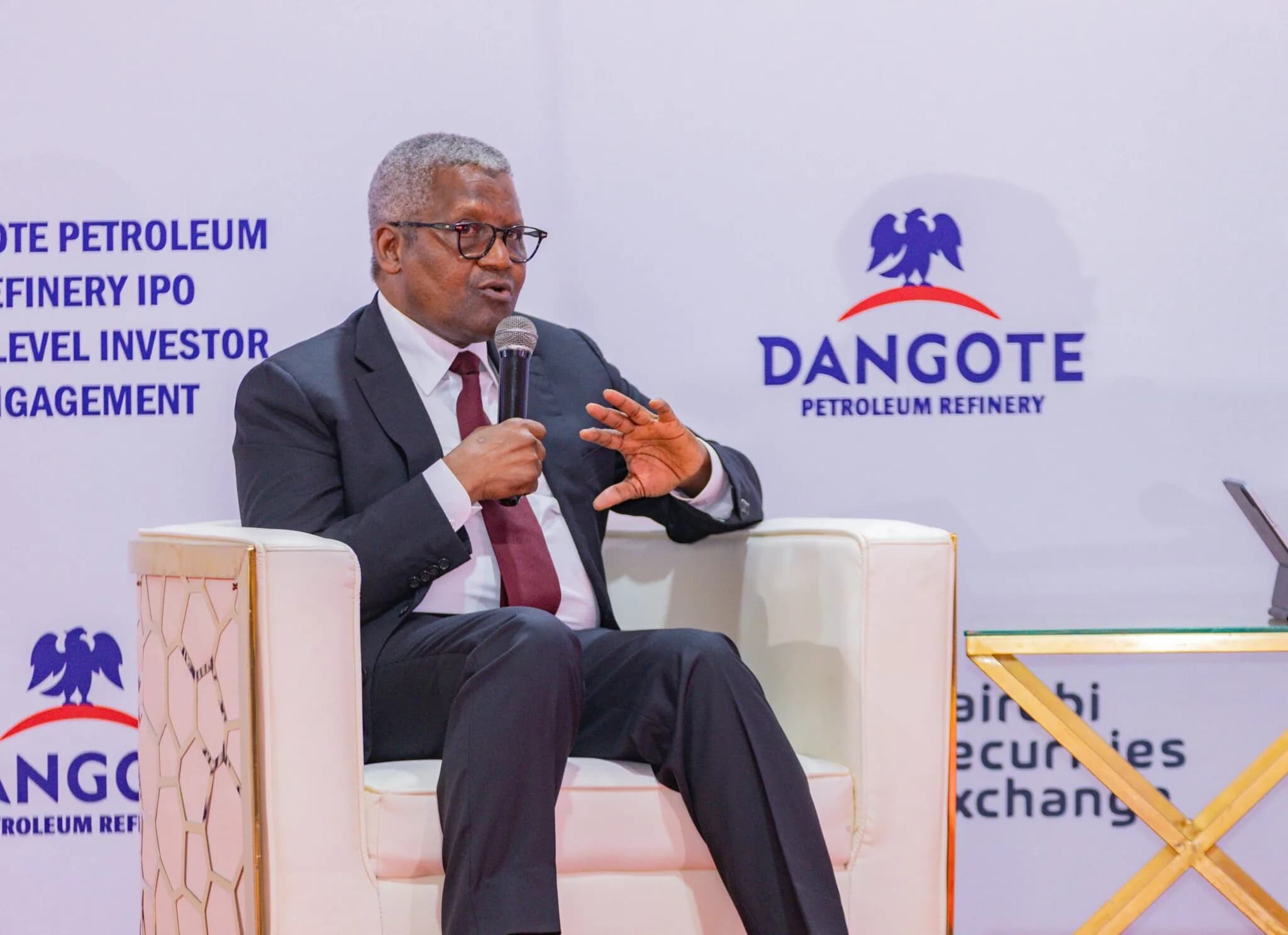
NAIROBI, Kenya, Sept 29 – Nigerian billionaire Aliko Dangote has played down a legal dispute surrounding the planned Sh2.2 trillion ($17 billion) Lamu refinery, saying court challenges are a routine part of developing large projects across Africa.
Speaking at the Nairobi Securities Exchange (NSE) during an investor engagement on the planned Initial Public Offering (IPO) of Dangote Petroleum Refinery, Dangote said his group was prepared to deal with the dispute as it pushes ahead with the Kenyan project.
“I’m sure some of you must have seen one court have given an order that we shouldn’t do any construction. I said, no, no, this is normal for us, in Africa, you know, we don’t care,” Dangote said.
“Well, like, in fact, it’s even small. In Senegal, it’s not even, we went, they stopped even our factory for one year. We went out to the Supreme Court to get a judgment.”
Dangote cited a previous dispute in Senegal involving the construction of a Dangote Cement plant, where he said works were halted for about a year before the company successfully challenged the matter at the Supreme Court.
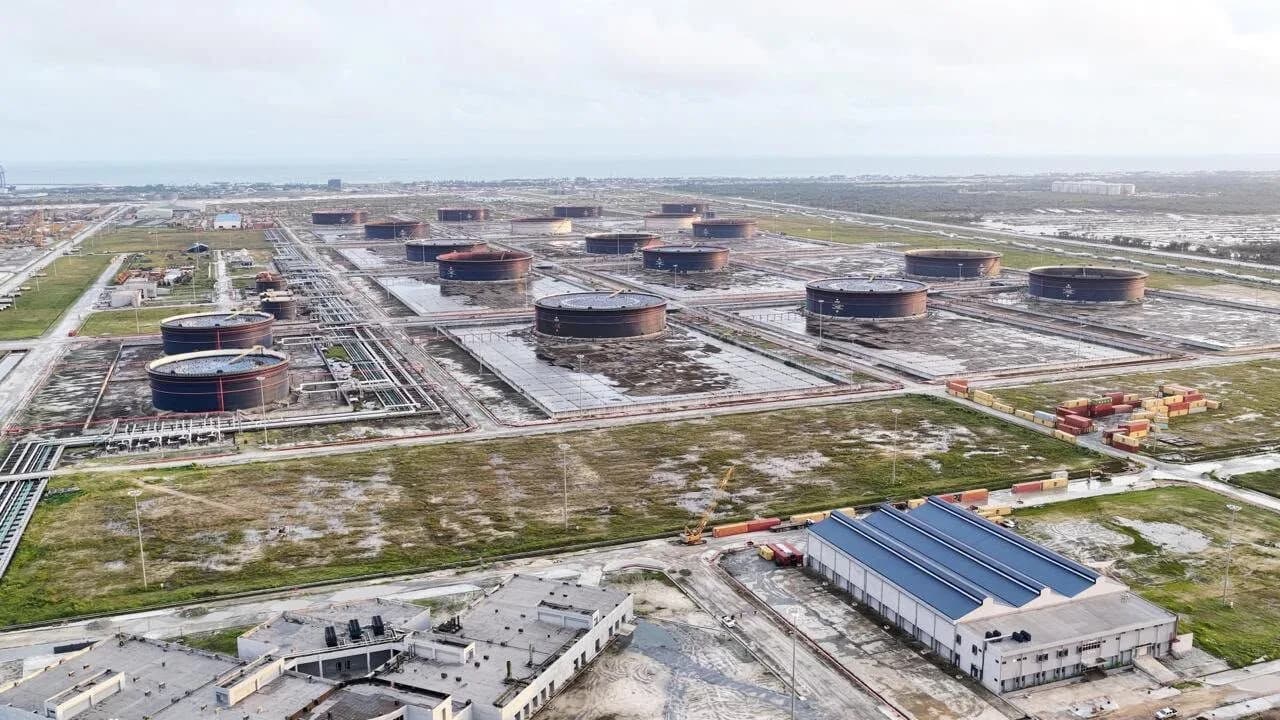
His comments come as the planned 700,000-barrel-per-day Lamu refinery faces a land dispute involving 133 residents of Chandavai.
The residents have moved to the Environment and Land Court in Malindi, arguing that their families have occupied and used the disputed land for generations and should be compensated and resettled before the project proceeds.
They have named several government agencies, the National Land Commission, LAPSSET Corridor Development Authority and Dangote Industries among the respondents.
On September 25, Justice Jane Onyango ordered parties to maintain the status quo on LR No. 13061 in the Hindi/Manda Magogoni area until October 14, when the matter is scheduled for an inter partes hearing. The court did not grant the residents’ request to stop the planned groundbreaking.
Dangote said the legal challenge would not change his approach to the investment as the group prepares to replicate its Nigerian refining model in East Africa.
Comments
No comments yet. Be the first to share your thoughts.