
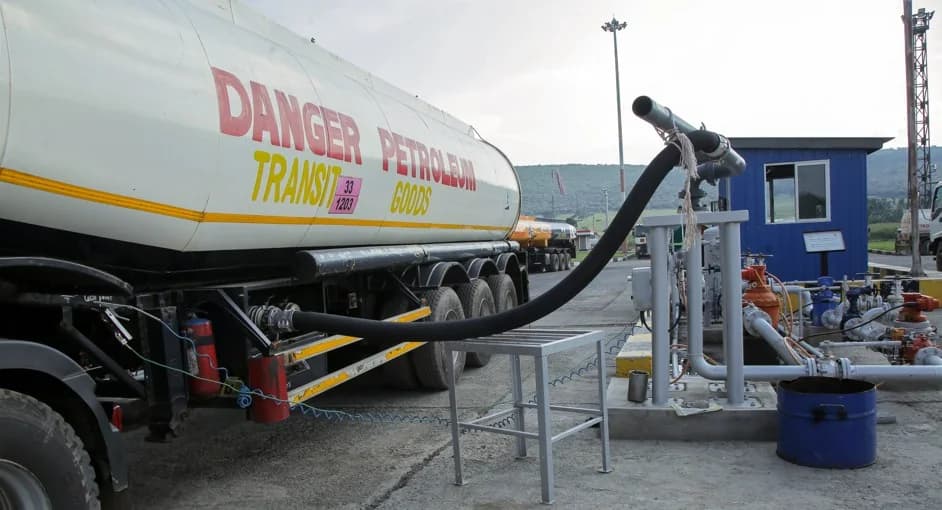
EPRA promises oil marketers compensation for excess fuel volumes amid price dispute

EPRA Director General Edward Kinyua said the arrangement was intended to maintain uninterrupted fuel supplies in the country and compensate oil marketers for their exposure to price lags.
The Energy and Petroleum Regulatory Authority (EPRA) has assured oil marketing companies that they will receive advance sales compensation for petroleum volumes accessed beyond those factored into the current and subsequent pricing cycles, following complaints by independent fuel dealers that marketers are selling petroleum products above the maximum wholesale prices set by the regulator.
In a letter dated October 27, 2026, EPRA Director General Edward Kinyua said the arrangement was intended to maintain uninterrupted fuel supplies in the country and compensate oil marketers for their exposure to price lags.
"The Energy & Petroleum Regulatory Authority (EPRA) wishes to assure Oil Marketing Companies (OMCs) that where individual OMCs access volumes in excess of the volumes factored in the current and subsequent cycles, the excess volumes will be due for advance sales compensation. This is in a bid to ensure uninterrupted supply in the country and to compensate OMCs exposure to the price lag," reads the letter, addressed to oil marketing companies CEO's and referring to correspondence from the Principal Secretary in the State Department for Petroleum dated October 1, 2026.
EPRA added that excess volumes and any additional costs arising from them would be considered on a first-in, first-out basis and verified using data from the Kenya Revenue Authority.
The announcement comes amid a dispute between oil marketers and independent petroleum dealers, who have accused the companies of supplying fuel at wholesale prices above the maximum limits set by EPRA.
The Petroleum Outlets Association of Kenya (POAK) and the Kenya Independent Petroleum Dealers Association (KIPEDA) have called on independent fuel dealers to suspend purchases from oil marketing companies charging above the gazetted wholesale limits.
Latest Stories
- Kindiki warns against favouritism in 2026 National Honours nominations
- 16 still unaccounted for as Eastleigh building collapse rescue enters sixth day
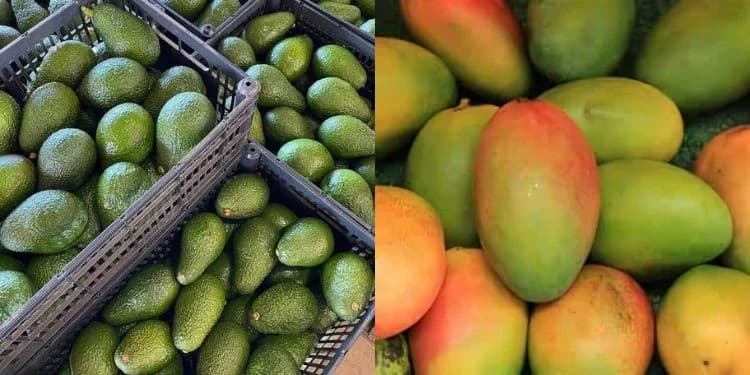
- Kenya to stop sea exports of four avocado varieties from October 30
- Kenya’s fiscal deficit hits Sh252 billion in two months, overshoots target by Sh178 billion
The associations claim that since EPRA's October 14, 2026, price review, oil marketers have continued selling petroleum products to independent dealers at rates exceeding the permitted wholesale prices.
The review increased petrol prices in Nairobi by Sh12.93 per litre, diesel by Sh9.90 and kerosene by Sh28.49. Super Petrol now retails at Sh226.96 per litre, diesel at Sh227.76 and kerosene at Sh219.87.
The dealers say the alleged breaches have squeezed their profit margins and made it difficult to purchase fuel legally while serving consumers at the regulated pump prices.
"This non-compliance by OMCs has created an unsustainable margin squeeze, making it economically impossible for independent dealers to source product legally and serve the public fairly," they said in a statement.
They warned that the situation had caused worrying shortages, leaving some outlets facing the choice of closing their businesses or continuing to operate at heavy financial losses.
"The refusal of OMCs to adhere to wholesale caps threatens to undermine consumer price protections guaranteed by law," they added.
The associations want EPRA and the State Department for Petroleum to impose sanctions on oil marketing companies that fail to comply with wholesale price limits. They have also called for talks with the Ministry of Energy and Petroleum and EPRA to resolve the dispute.
"The government must act decisively to prevent a full-scale shutdown of independent retail outlets, which account for a massive share of the country's fuel distribution network," they noted.
Meanwhile, Kinyua has linked the recent pressure on fuel prices to the conflict in the Middle East, saying petrol prices on international markets had risen to about $1,300 (Sh168,870) per tonne from roughly $600 (Sh77,940) earlier in the crisis.
He also said part of the kerosene price adjustment was intended to narrow the price gap between kerosene and automotive fuels, which he said encourages dealers to mix cheaper kerosene with petrol and diesel.

Comments
No comments yet. Be the first to share your thoughts.