
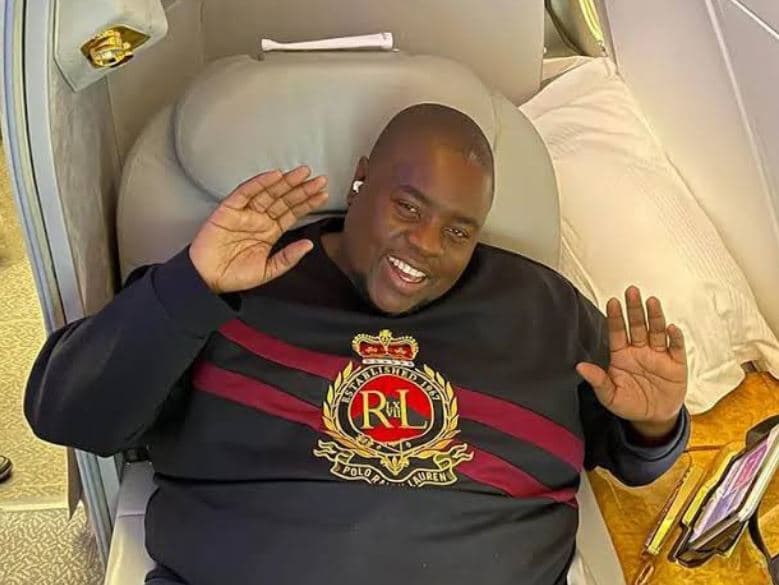
Wicknell Chivayo’s story did not begin with private jets, luxury cars or photographs with presidents. Long before he became one of Zimbabwe’s most recognisable businessmen, he was a teenager trying to find his way after losing his father.
Chivayo, who died in a helicopter crash in Zimbabwe on September 30, 2026, aged 43, built his public profile around energy, infrastructure and investments. His name later became closely associated with expensive cars, large donations and a lifestyle that was difficult to miss.
But behind the flashy image was a business career built over several decades. At the centre of it was Intratrek Zimbabwe, the company that brought him into the world of major energy and infrastructure projects.
Here are five stages that help explain Chivayo’s rise in business.
1. He left school as a teenager
Chivayo’s early life was far removed from the wealth he displayed later.
According to accounts of his life, he lost his father when he was young and was raised by his mother in the Chivhu area of Zimbabwe’s Mashonaland East province. Financial difficulties affected his education, and he left Churchill Boys High School while still young.
He subsequently found work as a wages clerk at a bus company when he was about 15.
That was an ordinary beginning for someone who would later operate around multimillion-dollar projects. His early working years eventually pushed him towards business and trading, laying the foundation for the commercial career that followed.
2. Intratrek became the centre of his business career
The name most closely associated with Chivayo’s rise is Intratrek Zimbabwe.
The company operates in engineering, procurement and construction, with a major focus on energy projects. Chivayo became its prominent public face as the company pursued large-scale power developments.
Its biggest breakthrough came with the Gwanda Solar Project in Zimbabwe.
Intratrek was awarded the engineering, procurement and construction contract for a proposed 100-megawatt solar power plant. The original contract was valued at about US$173 million.
The project subsequently became embroiled in years of delays, contractual disputes and legal proceedings. Chivayo faced fraud proceedings connected to the project and was later acquitted.
In September 2026, shortly before his death, Intratrek received a Notice to Proceed for the Gwanda project under a revised agreement, with completion expected within 24 months.
3. His interests went beyond solar power
Although energy became the biggest part of Chivayo’s public business identity, it was not his only area of interest.
Publicly available company information associated with him also points to interests in petroleum, logistics, telecommunications and other investments.
Telecommunications became particularly notable through IMC Communications. In 2024, Zimbabwe approved Starlink’s operations in the country, with IMC Communications identified as its local partner.
His business interests also expanded beyond Zimbabwe, with his corporate profile describing operations and investments across several African countries.
That diversification is important when looking at his wealth. It would be misleading to take the value of one large contract and treat the entire amount as money personally earned by Chivayo.
Large infrastructure contracts cover equipment, construction, employees, financing, technical work and other costs. The value of a company contract is therefore not the same thing as the owner’s personal wealth.
4. Business success became part of a very public lifestyle
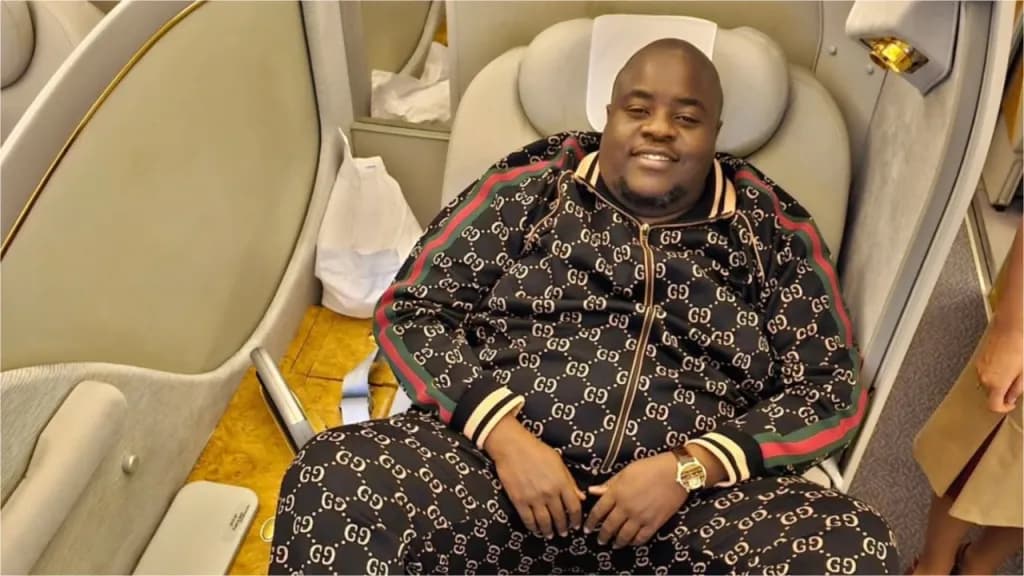
Chivayo did something many wealthy businessmen do not: he made his lifestyle part of his brand.
Luxury cars, private aviation, expensive holidays and large gifts regularly appeared on his social media pages.
He became particularly well known for giving vehicles and cash to musicians, sports personalities, religious figures and other recipients. In 2025, reports documented a birthday giveaway involving vehicles and cash worth millions of US dollars.
The spending helped turn Chivayo from a businessman known mainly within Zimbabwe’s commercial circles into a celebrity-like figure whose activities attracted audiences well beyond the business world.
His philanthropy also became a visible part of his public identity. He supported schools, sports organisations and individuals, while publicly announcing many of his donations himself.
5. His business network eventually stretched across Africa
Chivayo’s profile grew alongside his movement into business opportunities outside Zimbabwe.
Kenya became particularly significant in the final years of his life. He was repeatedly photographed with President William Ruto, including during visits to State House and other locations.
His business activities also attracted attention in connection with proposed investment and infrastructure opportunities in Kenya.
Beyond Kenya, Chivayo publicly documented interactions with other African leaders, including Tanzania’s President Samia Suluhu Hassan and Uganda’s President Yoweri Museveni.
These relationships helped give him a regional profile that went well beyond his original energy business in Zimbabwe.
Comments
No comments yet. Be the first to share your thoughts.