
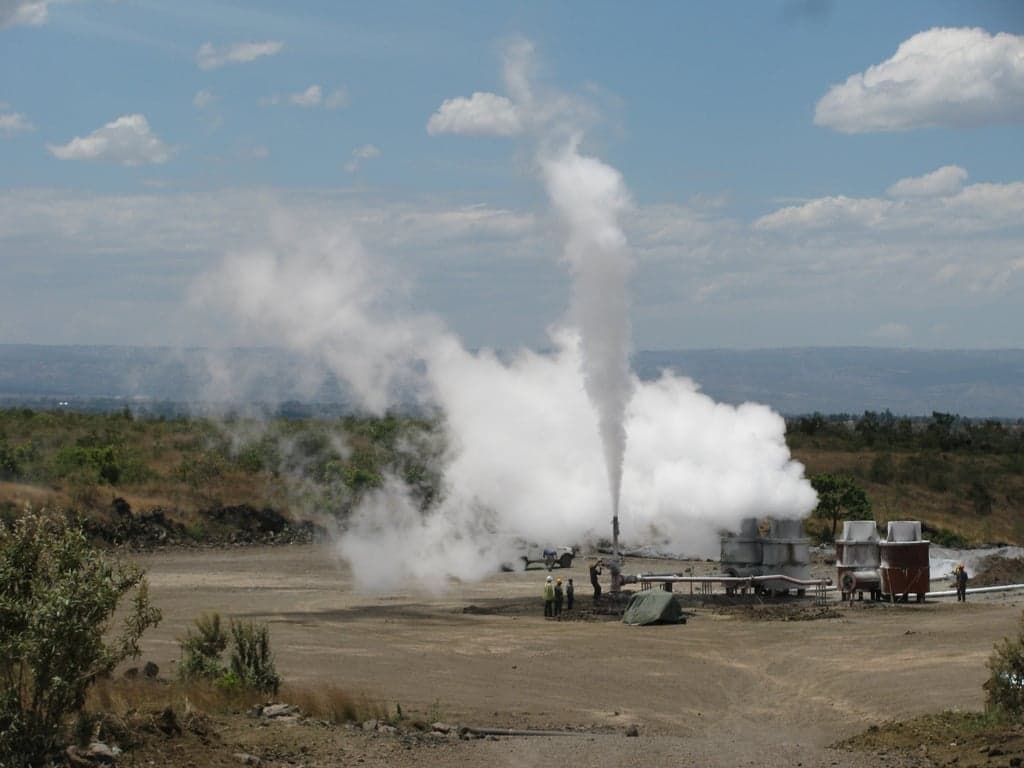
NAIROBI, Kenya, Sep 30 – Geothermal energy accounted for nearly half of Kenya’s electricity generation in the year ended June 2026, reinforcing its position as the country’s largest source of power, latest data from the Energy and Petroleum Regulatory Authority (EPRA) shows.
EPRA’s Energy & Petroleum Statistics Report shows geothermal power contributed 40.91 percent of the country’s total electricity generation during the period.
Geothermal generation increased to 6,420.51 GWh, up by 702.35 GWh from 5,718.16 GWh generated in the previous year.
“The increase was primarily attributed to the addition of new geothermal generation capacity at Menengai in Nakuru County, as well as increased nighttime demand, which enabled higher utilisation of geothermal capacity and reduced steam venting,” EPRA said.
Hydropower remained the second-largest source of electricity generation, contributing 22.65 percent to the energy mix.
Hydro generation increased by 50.84 GWh, from 3,503.47 GWh in the year ended June 2025 to 3,554.31 GWh in the year ended June 2026.
“Despite the increase in absolute generation, hydropower’s share of the energy mix declined by 156 basis points, from 24.21% in the previous year to 22.65%. The increase in hydro generation was mainly attributable to improved hydrological conditions, while the decline in its overall contribution to the energy mix was driven by the increased share of electricity imports,” the report said.
Wind energy remained the third-largest source of electricity generation, accounting for 12.31 percent of the total energy mix.
Wind generation increased marginally to 1,931.72 GWh from 1,907.57 GWh in the previous year, an increase of 24.15 GWh.
Electricity imports accounted for 12.19 percent of the total energy mix during the period under review.
Kenya imported 1,913.66 GWh of electricity, an increase of 379.81 GWh from the 1,533.85 GWh imported in the previous year, to meet domestic demand.
Imports from Ethiopia through the Ethiopian Electric Power (EEP) interconnection amounted to 1,577.66 GWh, representing 82.45 percent of total electricity imports.
Uganda supplied 322.06 GWh, equivalent to 16.83 percent, while Tanzania supplied 6.53 GWh.
The remaining 7.4 GWh of imports was supplied by the Ethiopia Electric Utility (EEU) to the border town of Moyale.
Interconnected thermal generation accounted for 8.34 percent of total electricity generation during the period under review.



Comments
No comments yet. Be the first to share your thoughts.