

The People’s Bank of China’s approval of Standard Bank Group, and its local subsidiary, Stanbic Bank Kenya, as Africa’s official Renminbi (RMB) clearing hub marks a structural shift in Kenya–China economic ties. By enabling direct Yuan processing, local businesses gain direct access to China’s Cross-Border Interbank Payment System (CIPS), eliminating long-standing transactional bottlenecks.
The tangible benefits of this financial arrangement offer clear operational advantages for Kenyan enterprises, importers, and agricultural exporters.
1. Elimination of double conversion
Historically, trading with Chinese vendors required converting Kenya Shillings (KES) into US Dollars (USD) before converting them into Yuan (CNY). This two-tier settlement exposed merchants to double foreign-exchange conversion spreads and bank intermediaries. Direct clearing allows Kenyan businesses to pay Chinese vendors in onshore Yuan, cutting out excess bank charges and lowering total transaction costs.
2. Easing national USD liquidity strain
Kenya’s high demand for US Dollars to settle imports, particularly for machinery, electronics, and textiles, frequently places pressure on local currency reserves. By settling a portion of the country’s annual import bill (valued at approximately Ksh. 642.9 billion) directly in Yuan, local commercial banks can ease daily domestic demand for USD.
3. Leverage to negotiate supplier discounts
Chinese vendors incur foreign-exchange risk when accepting payments in foreign currencies like USD. Direct RMB settlement simplifies customs documentation and removes FX volatility for suppliers in China. In turn, Kenyan importers gain bargaining power to negotiate preferential prices, volume discounts, and extended credit terms from their Chinese counterparts.
4. Faster transaction settlement
Routing payments through Western correspondent banks historically resulted in settlement delays of two to three business days. Connecting Stanbic Bank Kenya directly to CIPS reduces payment processing times to near real-time, providing end-to-end payment tracking and reducing supply-chain disruptions.
Direct impact by sector
- Electronics & Consumer Goods Retailers: Small-to-Medium Enterprises (SMEs) operating out of commercial hubs like Nairobi’s Nyamakima and Dubois markets can lock in predictable pricing for imports without holding speculative USD accounts.
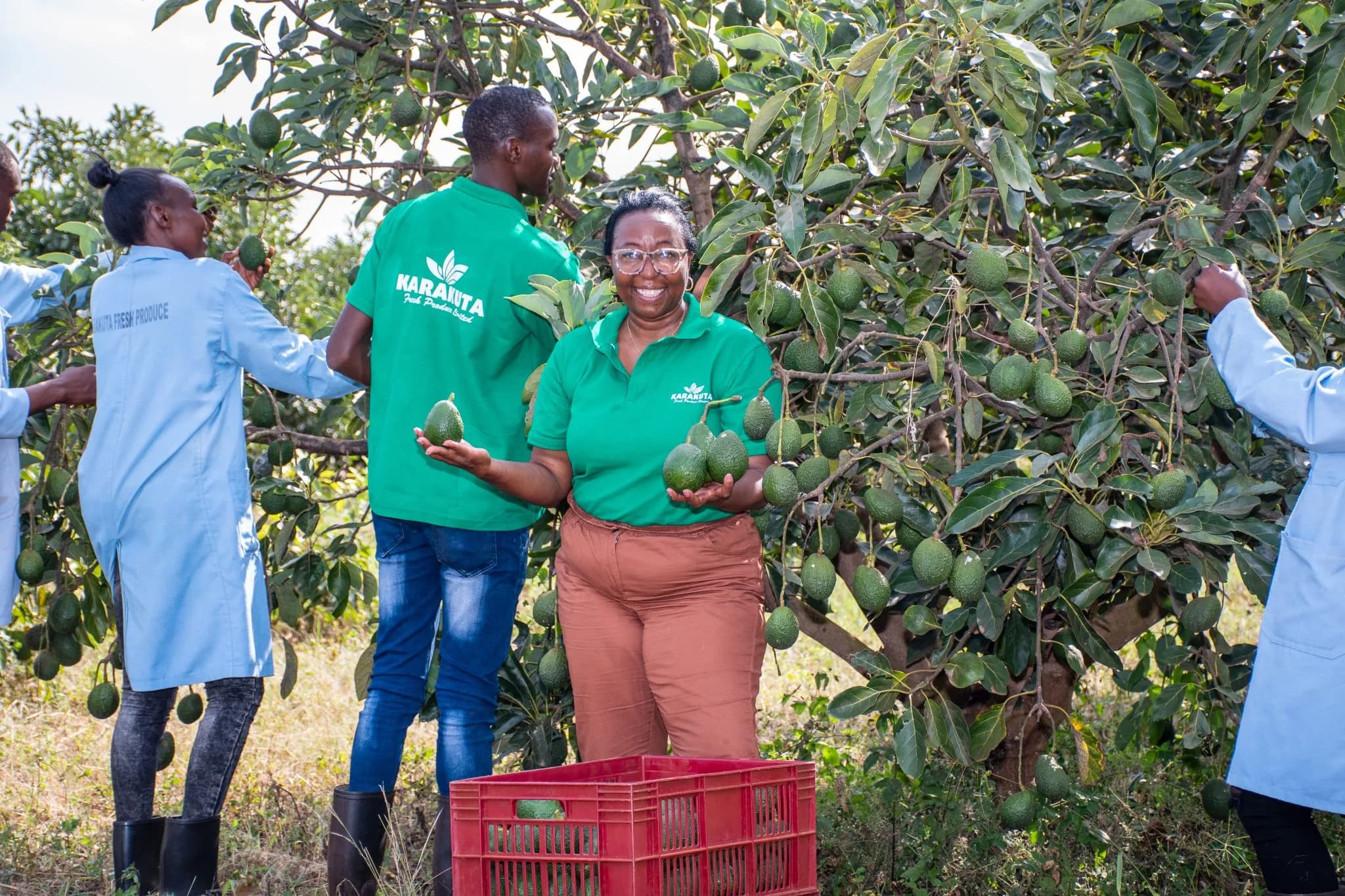
- Agricultural Exporters: Producers of tea, coffee, cut flowers, and avocados benefit from faster payout schedules when exporting directly to Chinese buyers.
- Infrastructure & Manufacturing: Industrial players importing heavy machinery can streamline trade documentation and manage working capital far more predictably.
“As businesses increasingly seek faster, more transparent, and efficient ways to transact, our ability to process RMB payments through CIPS represents a significant milestone in strengthening the Kenya-China trade corridor.” Jonathan Muga, Head of Corporate and Investment Banking, Stanbic Bank Kenya


Comments
No comments yet. Be the first to share your thoughts.