
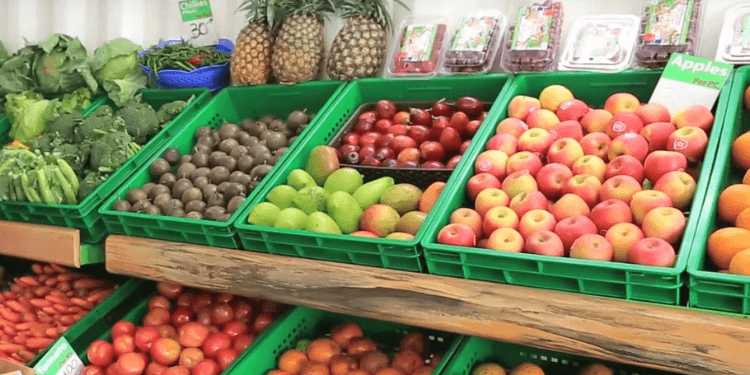
Kenyans faced continued cost-of-living pressure in March as food and electricity prices rose, pushing consumer prices higher despite stable fuel costs.
Official data from the Kenya National Bureau of Statistics (KNBS) shows that while overall inflation remained moderate, increasing costs of basic food items and electricity kept household expenses high.
Annual consumer price inflation stood at 4.4 per cent in March, meaning the general price level was higher than it was a year earlier.
Each month, prices went up by 0.5 percent from February to March, with the Consumer Price Index rising from 149.20 to 150.00.
The rise was primarily driven by food, transportation, and housing costs, which together account for more than half of the total consumer basket.
Food Prices Lead Cost‑of‑Living Pressure
According to KNBS, food and non-alcoholic beverages remained the biggest driver of inflation. Prices in this category rose by 1.1 per cent over the month and by 7.7 per cent over the year.
Tomatoes recorded the highest monthly increase, rising by 13.3 per cent, while beef with bones went up by 1.8 per cent. Potatoes also increased sharply during the month.
However, there was some relief in other food items, as the prices of cabbage, maize grain, spinach, and sugar decreased.
Despite these declines, food inflation continued to exert strong pressure on households, accounting for 2.2 percentage points of overall inflation.
Electricity costs increased during the month, adding to household expenses.
The price of 50 kilowatt-hours of electricity rose by 2.5 per cent, while 200 kilowatt-hours increased by 2.2 per cent.
In contrast, the cost of cooking gas recorded a slight decline, easing marginally for households that rely on liquefied petroleum gas.
Rent for a single room remained unchanged between February and March.
Overall, prices under housing, water, electricity, gas, and other fuels rose by 0.4 per cent over the month and by 2.0 per cent over the year.
Transport prices showed mixed movements: fuel prices remained unchanged during the month, with petrol continuing to retail at the same level and diesel also staying flat.
Even so, the transport division recorded an annual price increase of 3.8 per cent, reflecting earlier cost pressures rather than new monthly changes.
Several Categories Maintain Prices
Other consumer categories recorded moderate increases, driven by several contributing factors.
Education services posted a monthly increase of 0.3 per cent and an annual rise of 3.3 per cent, driven by higher fees in some courses.
Health prices rose by 0.4 per cent over the month, with medicine for cancer recording notable increases, while general practitioner services edged up slightly.
Restaurants and accommodation services saw marginal price increases, with prepared foods inching higher, although some items, such as cakes and snacks, recorded small declines.
Information and communication experienced the lowest annual inflation among the major categories.
Prices for computers and tablets fell during the month, while televisions and mobile phones recorded slight increases.
Insurance and financial services prices remained unchanged on a monthly basis, while personal care and household hygiene items increased, led by higher tissue paper prices.
Core inflation, which excludes volatile food and energy items, stood at 2.1 per cent in March.
Non-core inflation, mainly driven by food and fuel items, stood at 10.8 percent, signifying how essential goods significantly affect household spending.
With food prices remaining the main driver of consumer inflation, many Kenyans continued to feel the pressure of higher daily living costs.




Comments
No comments yet. Be the first to share your thoughts.