
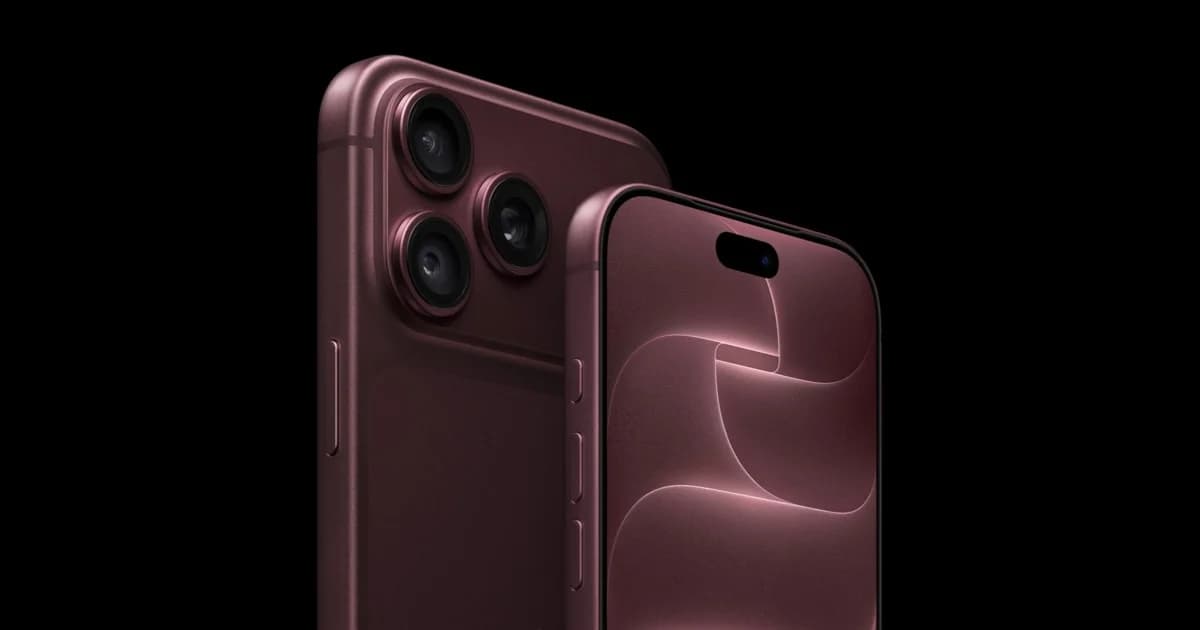
Customs officers from the Kenya Revenue Authority (KRA), who collect tax on goods brought into the country, have intercepted 40 undeclared iPhone 18 Pro and iPhone 18 Pro Max phones at Jomo Kenyatta International Airport (JKIA) in Nairobi. KRA announced it on Thursday 1st October. The phones were on a passenger arriving from Dubai. Undeclared means he did not tell Customs about them.
KRA puts their worth at KES 8.2 million, which is KES 205,000 a phone on average.
KRA says the passenger had entered Kenya four times in nine days, and that he admitted he was a courier for a client in Dubai. Officers are told to look closely at travellers like that. KRA’s passenger guidance says Customs officers scrutinise the passports and travel documents of frequent short-visit passengers. It also says a passenger caught with dutiable goods in the Green Channel, the lane for people with nothing to declare, is liable to penal action including arrest and prosecution, on top of the goods being seized.
Every passenger arriving in Kenya fills in a declaration, Form F88. The same guidance lists items brought home for someone else, and items you intend to sell, among the things that must be declared. An officer assesses the duty, and the passenger pays at a bank in the terminal or by mobile banking before being cleared. Not declaring, or mis-declaring, goods breaks section 203 of the East African Community Customs Management Act, the regional law Kenya’s customs rules follow, and the goods can be seized.
There is an allowance, but it covers goods for the passenger’s own or household use. KRA’s pages give two figures for it. The web FAQ says USD 2,000, or about KES 259,000. The FAQ PDF and the Customs handbook say USD 500, or about KES 65,000. By our arithmetic, KES 205,000 is about USD 1,580. One phone at that value fits inside the higher allowance and a second does not, and under the lower one even a single phone is over. On KRA’s account, 40 phones carried for a client are not personal use under either figure.
KRA’s post does not say how it valued the phones, what duty and tax they would have attracted, whether the passenger has been charged, or whether the phones were seized or released after payment.
Apple does not sell iPhones directly in Kenya. Authorised resellers and importers set the price, and as we showed in August, prices open high in the first weeks of a launch while stock is thin, then fall as more shops get it. Our reading is that a courier landing with 40 new phones is selling into that gap. At launch we expected Kenyan prices of KES 160,000 to KES 200,000, and KRA’s average sits just above the top of that range.
The person at the airport carries the risk in that arrangement. If you buy an iPhone for yourself abroad, declare it on Form F88 and pay any duty above your allowance before you leave the terminal. If someone asks you to carry one for them, KRA’s guidance puts it on the declare list too, and the exposure to seizure and prosecution would be yours.

Comments
No comments yet. Be the first to share your thoughts.