
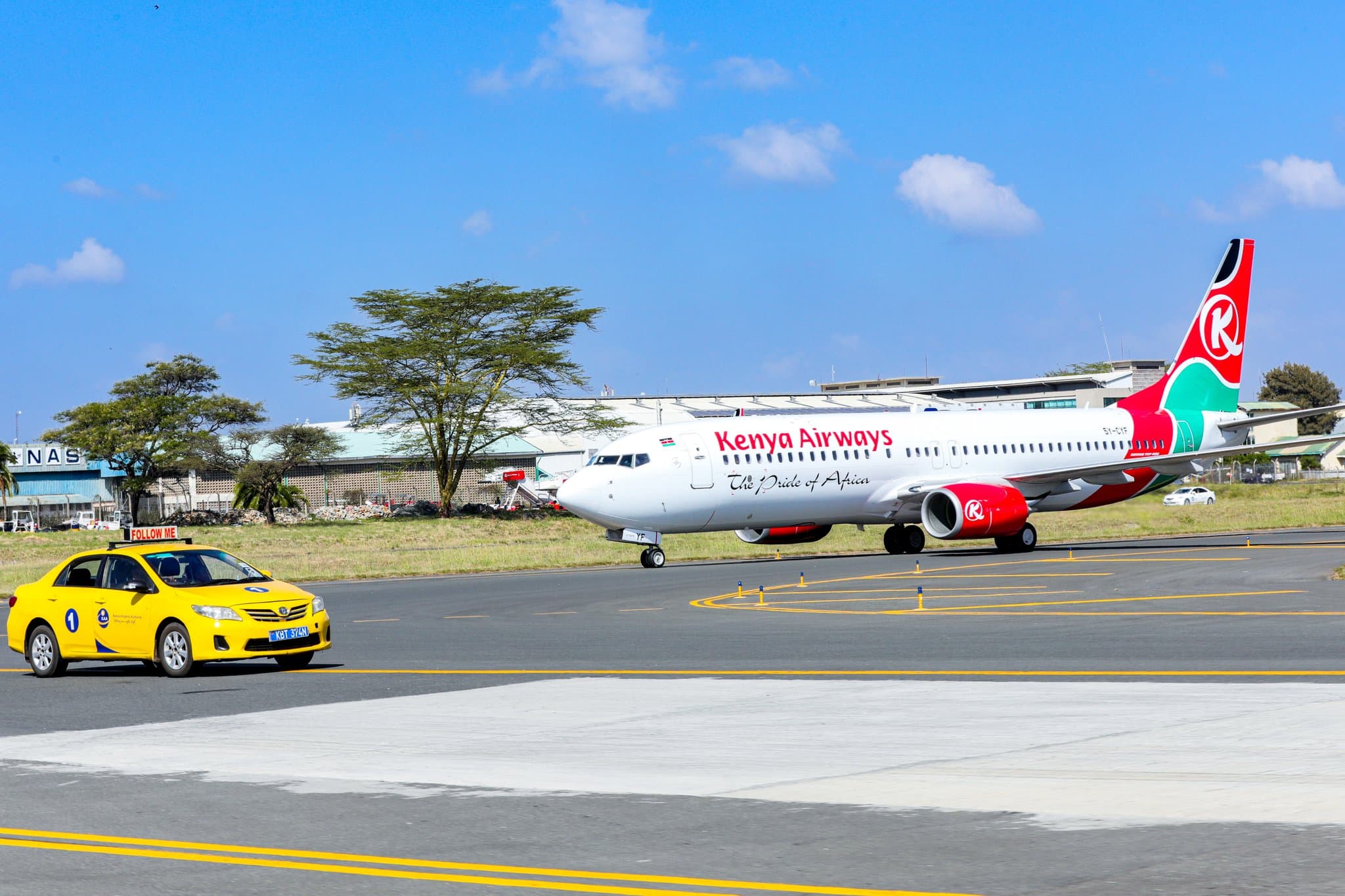
Kenya’s flower industry has reported posting a weekly loss of about KSh178 million following the Middle East tensions.
According to the Kenya Flower Council (KFC), Kenya’s flower industry has incurred weekly losses of up to Ksh 177,338,000 since the war in Iran began, driven by lower demand and shipping disruptions.
Further, the council noted that over the past three weeks, total losses have exceeded Ksh 531,414,000.
Speaking to The Associated Press, KFC Chief Executive Officer Clement Tulezi said freight challenges have forced prices to KSh 735.86 per kilo, the highest in the last ten years, while delays and longer transport routes have disrupted the movement of produce.
“We are seeing a reduction in movement, delays in movement of produce, and longer routes, while pricing is extremely high. Last week, we were at $5.80 per kilo, which is the highest we’ve had in the last 10 years,” KFC Chief Executive Officer Clement Tulezi told The Associated Press.
Isinya Farms Exports Plunge Over 50% Amid Freight Disruptions
Kenya’s horticulture sector, valued at KSh 101,336,000,000 annually by the Central Bank of Kenya, has seen exports at Isinya Flower Farms drop sharply.
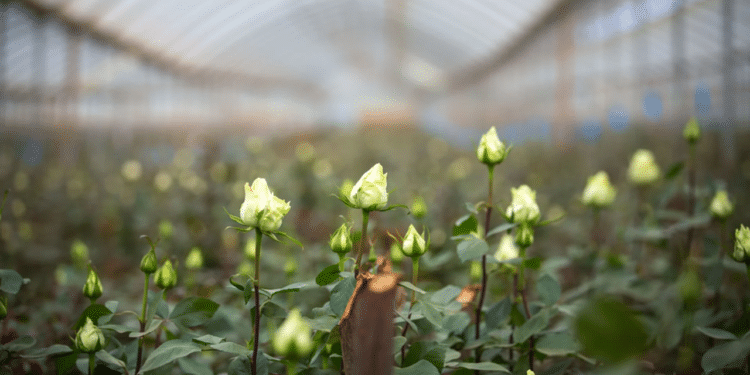
According to the Marketing Manager, Anantha Kumar, daily exports fell from 450,000 stems to between 150,000 and 200,000 stems, with nearly half of the flowers discarded.
“Previously, we used to export 450,000 stems per day, and currently we are doing about 150,000 to 200,000 stems a day. So we are discarding almost 50%,” Kumar told The Associated Press.
He explained that direct exports to the Middle East typically account for 30% of Isinya Farms’ business and up to 15% of the national market, while Europe accounts for about 70% of the market.
However, while the Middle East isn’t Kenya’s main export market for flowers, cargo freight to Europe has been disrupted by the conflict in the Middle East, resulting in reduced exports and higher costs.
“With the current freight rates, customers are not able to buy. And while the freight rates are high, it is also difficult to get the freight. Only a few freighters are operating, as mainly the Middle Eastern carriers have stopped, and the European carriers are charging about $5 per kilo, which is two times the normal rate,” Kumar said.
AP further noted that growers, including Isinya Farms, have warned that prolonged disruption from the Middle East conflict could further weaken Kenya’s flower industry, with conditions reminiscent of the COVID-19 period.
Additionally, the Kenya Flower Council is lobbying the government to establish direct cargo flights to Europe to protect the European market and support growers.


Comments
No comments yet. Be the first to share your thoughts.