
NYANDARUA, Kenya, Sept 25 – For Anne Wangari, conversations about diabetes and healthy living have become increasingly difficult to separate from one of the most routine decisions made in every household: what to cook.
Wangari, Chairperson of Blessed Mothers Nyandarua, is spearheading a new community nutrition initiative in Ndunyu Njeru that is encouraging women to rethink familiar foods and explore healthier, plant-based meals.
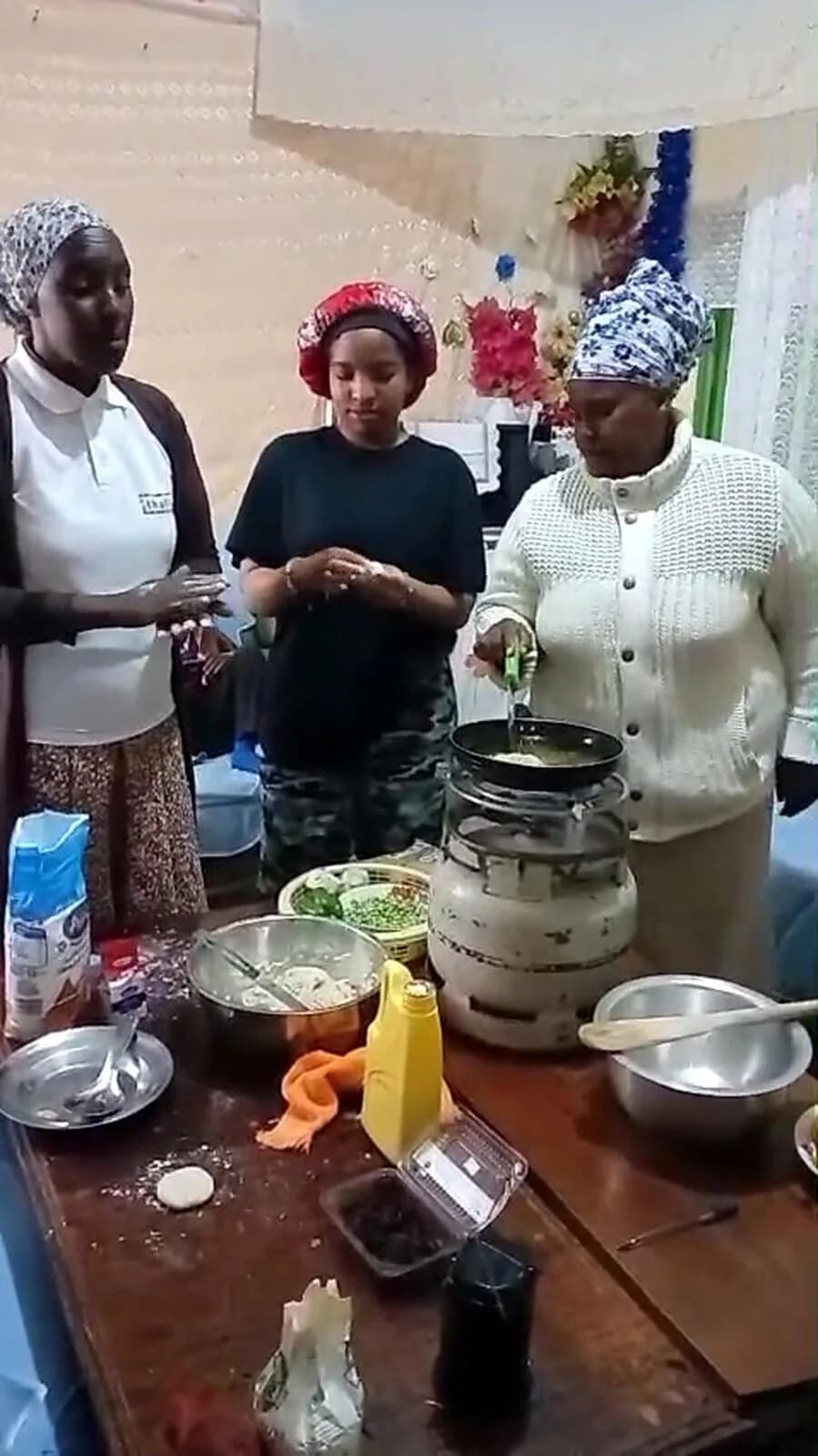
The chama, which operates under Maisha Mothers, held its first practical cooking demonstration on September 23 and now plans to extend the sessions to women’s church groups across the area.
The initiative comes amid growing concern among members about diabetes, hypertension and other lifestyle-related conditions appearing within families and the wider community.
Kenya is grappling with a significant non-communicable disease burden. The Ministry of Health says such conditions now account for about 43 per cent of deaths and nearly half of all hospital admissions.
Diabetes is becoming a particular concern. WHO estimates that diabetes affected about 3.1 per cent of Kenyan adults in 2019, while 43.7 per cent of people living with the condition were estimated to be undiagnosed by 2021.
For Wangari, those figures reinforce the need to move prevention beyond health facilities and into everyday life.
“People are being advised to reduce certain foods or change their diets, but there is often a gap between receiving that advice and knowing what to prepare when you get home,” Wangari said.
“We want to make healthier eating practical, attractive and something a family can actually sustain.”
From medical advice to the family kitchen
During the Ndunyu Njeru session, women prepared plant-based dishes using vegetables, legumes, grains and other ingredients readily available in local markets.
The emphasis was not on importing a new way of eating, but on reconsidering how familiar foods can be combined and prepared.
For Flora Wanjiku, a member of Blessed Mothers Nyandarua, that distinction is important.
“Healthy eating is sometimes presented as something expensive or complicated,” Wanjiku said.
“What we are learning is that many of the foods we need are already around us. The difference can be in how we prepare them and what we choose to put on the plate more often.”
Blessed Mothers plans to take the approach to women’s church groups, using existing social networks to make nutrition part of broader conversations around family wellbeing.
The group thanked Maisha Mothers for selecting Blessed Mothers Nyandarua as the first community group in Kenya to roll out the initiative.
Wangari said the opportunity also comes with a responsibility to ensure the lessons extend beyond the initial participants. “We are proud that Maisha Mothers chose us to start the programme,” she said.
“Our intention is to learn, practise it within our families and then share what works with other women in the community.”
A wider approach to women’s wellbeing Blessed Mothers is one of the community groups within Maisha Mothers, a wider women’s wellbeing programme by Thalia Psychotherapy.
The programme brings together maternal health, mental wellbeing, prevention, family support and increasingly nutrition, reflecting a broader view that health risks rarely exist in isolation.
Nutrition is not a substitute for medical or mental health treatment, but diet is an important component of overall health.
WHO has identified healthier diets and physical activity as important parts of preventing and managing diabetes and other non-communicable diseases.
Globally, diabetes prevalence among adults doubled from 7 per cent in 1990 to 14 per cent in 2022.
The Maisha Mothers initiative also recognises the relationship between physical and mental wellbeing.
How people eat can influence energy, sleep and general wellbeing, alongside other factors such as exercise, stress, social support and access to appropriate healthcare.
From an African network to Ndunyu Njeru
The concept was inspired in part by Thalia Psychotherapy’s participation in the Thrive Africa Vegan Women network, where the organisation is represented by Wambui Wanjiru, Policy Lead at Thalia Psychotherapy.
The network brings together African women interested in plant-based food systems and locally relevant approaches to healthier living.
For Wanjiru, its value lies in taking ideas exchanged across the continent and translating them into solutions that make sense within individual communities.
“Africa already has an extraordinary variety of vegetables, legumes, grains and traditional foods,” Wanjiru said.
“The opportunity is not necessarily to introduce unfamiliar diets, but to rediscover what we already have and make better nutrition practical for today’s families.”
It creates an unusual but deliberate chain.
An Africa-wide women’s network inspires ideas within Thalia Psychotherapy.
Those ideas are incorporated into Maisha Mothers’ wider prevention work. Community groups such as Blessed Mothers Nyandarua then determine how they can work locally.
In Ndunyu Njeru, that has started with women, a cooking pot and food available from the local market.
If Blessed Mothers succeeds in taking the sessions into church groups across the area, Wangari believes the impact could travel much further.
One woman changing what is served at home can influence the diet of her children, spouse and extended family.
For a country confronting an expanding burden of lifestyle-related disease, that makes the family kitchen an increasingly important front line in prevention.



Comments
No comments yet. Be the first to share your thoughts.