
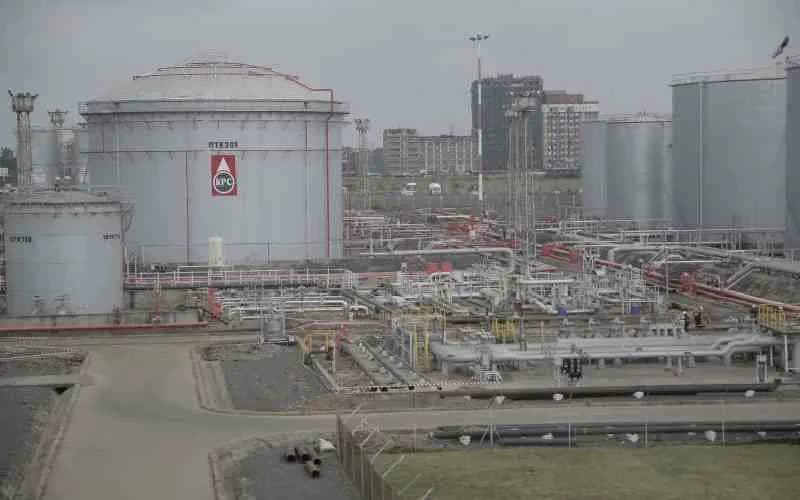
President William Ruto has tied the sale of the government’s shareholding in Safaricom and Kenya Pipeline Company to an irrigation build-out of more than 1,200 dams, saying the money will be invested rather than consumed.
He said KSh320 billion held in the National Infrastructure Fund would be put behind 50 large dams, 200 medium-sized ones and 1,000 smaller structures, a programme meant to move farmers off rain-fed cultivation. The President was opening the first Agriculture and Food Security Summit at Jamhuri Park in Nairobi on 8 October 2026.
Ruto framed the share sales as a shift from holding minority stakes to funding assets that pay back over decades. According to him, the irrigation works would eventually earn more than the dividends the state surrendered.
The past six years of erratic weather had cost farmers harvests, Ruto said, and planning around seasonal forecasts, including El Niño predictions, had proved unreliable.
“We want to transition farming from waiting for rain, which involves guesswork, to irrigation.”
Agriculture contributes close to half of Kenya’s GDP, a share Ruto cited as reason for treating farm inputs, markets and water infrastructure as one package.
He listed farmer registration, subsidised fertiliser and market-opening drives among his administration’s interventions.
On sugar, Ruto said reforms had shortened the wait for growers, who previously went four to five months before payment and now receive money within seven days. He said bonus payments were due next month and pledged to settle outstanding arrears owed to sugarcane and coffee farmers before the year ends.
He also defended courting foreign investors, arguing private capital was needed alongside public spending, and said foreign direct investment into Kenya had doubled under his administration.
The summit drew government officials and agriculture sector players to discuss raising food output, improving farmer earnings and strengthening value chains.


Comments
No comments yet. Be the first to share your thoughts.