

President William Ruto has asked commercial banks to bring down lending costs, saying the country’s economic recovery should create better financing opportunities for businesses, farmers and young entrepreneurs.
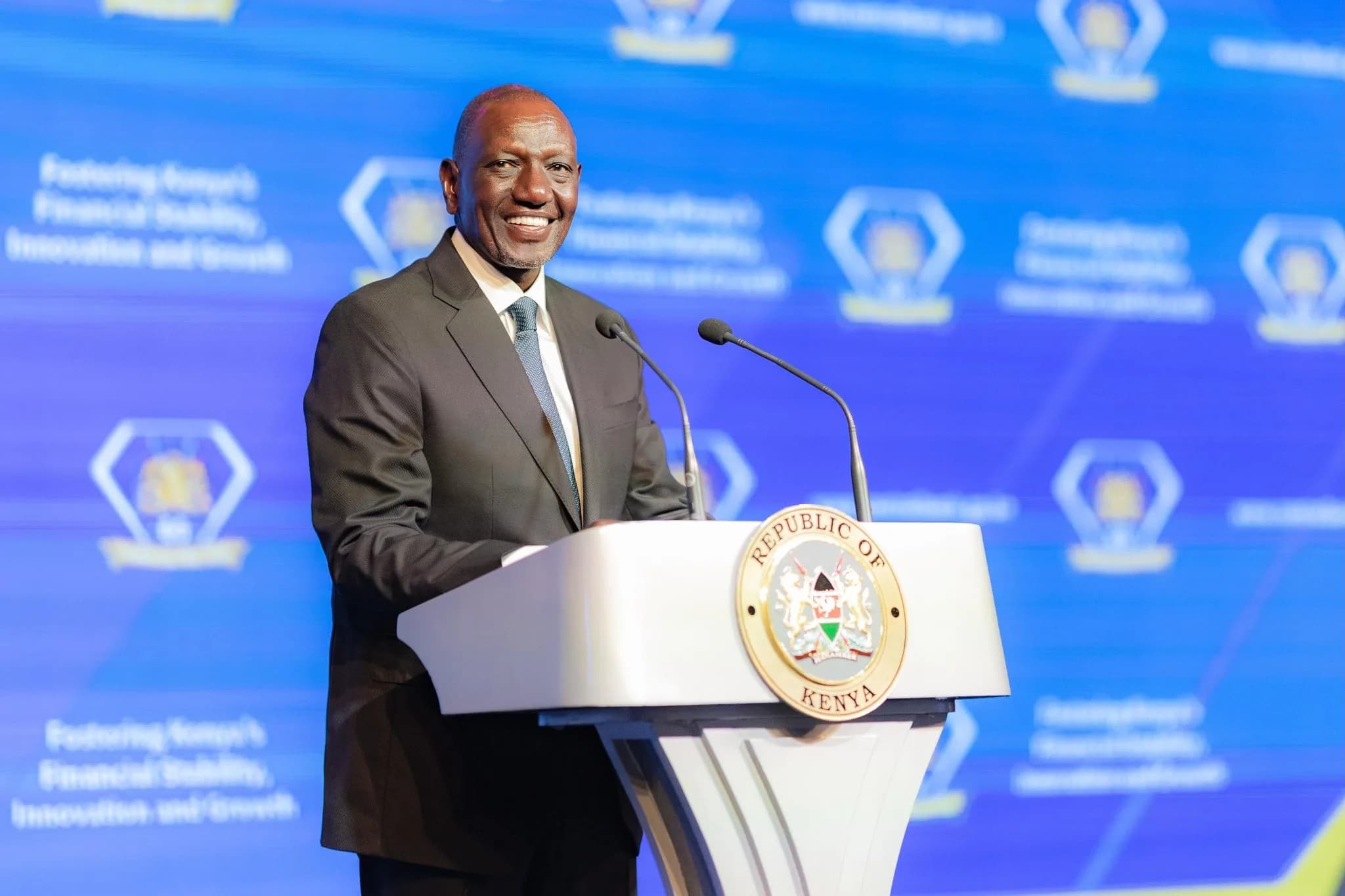
Speaking during the Central Bank of Kenya’s 60th anniversary celebrations on Thursday, September 17, 2026, Ruto said Kenya had made progress in managing economic pressures and should now focus on using that stability to increase production and create jobs.
He noted that the country had previously faced high inflation, rising food and energy costs, pressure on the shilling and expensive external borrowing. The measures taken to manage those challenges, including tighter monetary policy, also increased the cost of credit for households and businesses.
With economic conditions improving, the President said banks should ensure that borrowers benefit from the changes.
President wants banks to support businesses
The average commercial lending rate stood at 14.39 per cent in July 2026, while the Central Bank Rate had fallen to 8.75 per cent. Ruto said the cost of borrowing remained a concern despite monetary policy easing.
He urged lenders to direct more financing towards activities that generate income, expand enterprises and create employment. These include agriculture, manufacturing, infrastructure, technology and export businesses.
“Kenya does not need strong banks merely for the sake of having strong banks. We need strong banks capable of financing a strong economy,” Ruto said.
The President also called for reforms to make access to productive capital more transparent and competitive. He said Kenyan savings should be channelled into investments that support economic activity rather than remaining disconnected from the needs of businesses and entrepreneurs.
For small enterprises, the cost of loans can influence decisions on purchasing equipment, increasing stock and expanding operations. Farmers and young people seeking capital may also face difficulties when repayment costs remain high.
Digital finance and financial inclusion
Ruto highlighted the growth of financial inclusion in Kenya, saying access to formal financial services had increased from 26.7 per cent of adults in 2006 to 84.8 per cent in 2024.
He attributed much of this expansion to mobile money and digital financial services, but said the next challenge was ensuring that access to financial products leads to meaningful economic opportunities.
The President further pointed to emerging technologies, including artificial intelligence, digital assets and new payment systems, while stressing the importance of consumer protection and security.
He said Kenya’s next economic phase should focus on converting stability into investment, production, jobs and prosperity.


Comments
No comments yet. Be the first to share your thoughts.