
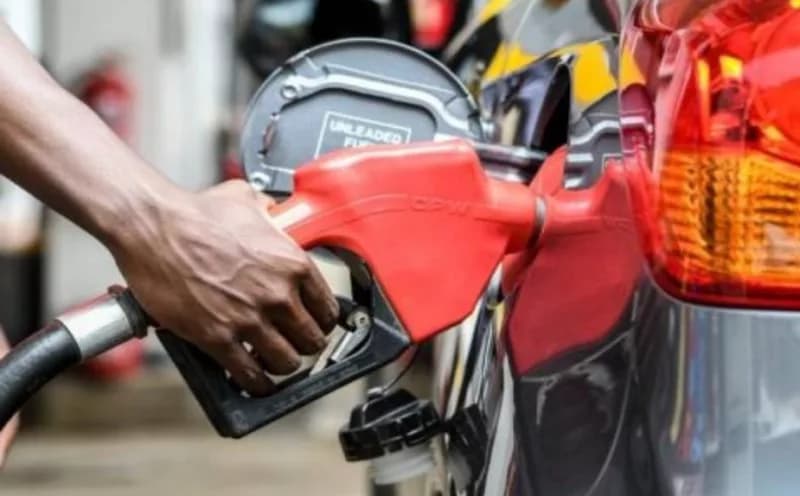
EPRA fuel prices // Courtesy

Stakeholders are pushing for Kenya to introduce fuel-efficiency standards for imported vehicles and machinery to curb rising petroleum consumption and slow the depletion of foreign exchange reserves through fuel imports.
Petroleum imports are one of the single largest drains on Kenya’s foreign exchange (FX) reserves, making fuel the primary commercial driver of dollar demand in the country's import bill.
According to stakeholders, the proposed standards would require importers to prioritise vehicles that consume less fuel, reducing the amount of petroleum needed to transport people and goods and limiting Kenya’s exposure to international oil price shocks.
The push comes as petroleum consumption continues to grow, with transport accounting for the bulk of domestic demand.
This makes the fuel efficiency of imported cars, like the hybrids trucks and other vehicles a key factor in determining how much foreign currency the country spends on petroleum.
E-Mobility Association president Hezbon Mose said Kenya’s dependence on imported refined petroleum leaves the economy vulnerable to global price movements, with rising demand adding to the pressure.
“Fuel is our biggest import and our biggest forex exchange. The pressure is being compounded by growing demand. Kenya's petroleum consumption increased by 8.3 per cent between 2023 and 2025,” said Mose.
“Transport accounts for about 75 per cent of the country’s petroleum consumption, making vehicle efficiency a key factor in determining future fuel expenditure.”
According to a panel of experts who met in Nairobi, the country’s annual fuel import bill could rise from $783 million (Sh101.8 billion) in 2025 to $1.3 billion (Sh133.5 billion) by 2040 if consumption continues to rise without interventions to improve vehicle efficiency.
Unlike countries that produce their own petroleum, Kenya imports its refined fuel requirements, meaning a significant share of the money spent at petrol stations ultimately goes towards paying foreign suppliers.
Stakeholders argue that requiring more fuel-efficient vehicles could help reduce this expenditure without forcing motorists and businesses to abandon petrol and diesel vehicles immediately.
The intervention would be particularly important in Kenya’s second-hand vehicle market, which supplies the majority of cars entering the country.
Kenya imports more than 80 per cent of its vehicles from Japan. However, the absence of domestic fuel-efficiency requirements risks allowing vehicles with relatively high fuel consumption into the market, locking motorists into years of higher fuel expenditure.
GIZ Kenya energy, transport and climate change cluster technical adviser Robert Njoroge said improving vehicle efficiency could help reduce the economic burden associated with rising petroleum demand.
“When so many vehicles will burn so much fuel, you'll notice that every spike that is recorded, it goes straight to transport costs. And from there into what we pay for food, for what we pay for fare and what we pay for goods. And we know this is pretty much not sustainable for the country,” said Njoroge.
Higher fuel prices increase operating costs for public transport operators, logistics companies, manufacturers and agricultural businesses that depend on road transport. These costs are often passed on to consumers through higher fares and prices for goods.
Fuel-efficiency standards could help limit the amount of petroleum consumed by vehicles, reducing exposure to price shocks while lowering running costs for motorists and businesses.
Njoroge said standards could also provide greater certainty for importers and local assemblers by clarifying the types of vehicles the market will require.
“Standards could reduce fuel expenditure while giving importers and local assemblers greater certainty about the vehicles the market will require,” he said.
The government launched a national e-mobility policy in February, while technical working groups are considering how to implement it.
Kenya’s electricity grid is largely powered by renewable sources, creating an opportunity to replace some petrol and diesel consumption with locally generated electricity. However, the transition faces challenges, including the upfront cost of electric vehicles, access to financing and the need for charging infrastructure.
Electric mobility adoption is growing, particularly in the motorcycle segment. Data from the E-Mobility Association shows Kenya had about 33,800 registered electric vehicles by the end of 2025, with motorcycles accounting for 95 per cent of the total.


Comments
No comments yet. Be the first to share your thoughts.