
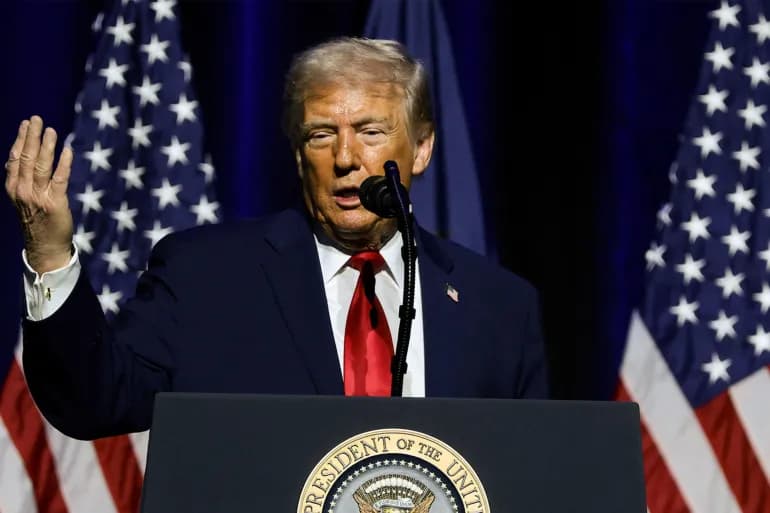
The United States has moved to withdraw South Africa and Rwanda from a major trade arrangement that gives selected African countries duty-free access to the American market, putting thousands of export products at risk of losing preferential treatment from January 1, 2027.
The proposed move, initiated by President Donald Trump’s administration, follows an assessment of the two countries’ compliance with the African Growth and Opportunity Act (AGOA), a US trade programme established to strengthen economic relations with eligible African nations.
The decision could affect businesses that depend on exports to the United States, particularly manufacturers, agricultural producers and companies that have built their operations around preferential access to American buyers.
Why Washington wants the two countries removed
US Trade Representative Jamieson Greer announced the decision on November 2, 2026, following an annual review of sub-Saharan African countries participating in Agoa.
The review was conducted by the Office of the United States Trade Representative alongside other government agencies. It found that South Africa and Rwanda were engaging in practices that Washington considered inconsistent with the programme’s eligibility conditions.
Greer said the concerns included restrictions affecting American trade and investment, as well as activities considered threats to US national security and foreign policy interests in the region.
However, the announcement did not identify specific trade barriers or provide detailed examples of the alleged security threats.
Washington also raised different concerns about each country. In Rwanda’s case, the administration cited human rights, political pluralism, the rule of law and internationally recognised workers’ rights.
South Africa was additionally accused of failing to address corruption and creating barriers to American trade and investment.
The decision comes amid deteriorating diplomatic relations between the United States and both African countries.
For Rwanda, the announcement follows American sanctions against its defence ministry over alleged involvement in the conflict in eastern Democratic Republic of Congo.
The US Treasury accused Rwanda’s defence ministry of directing thousands of troops to fight alongside M23 rebels and providing the group with weapons, equipment, logistical support and training. Rwanda has faced international criticism over its alleged involvement in the conflict, although its government has disputed accusations of supporting the rebels.
South Africa’s relationship with Washington has also been strained during Trump’s second presidency.
Trump previously accused South Africa of allowing the persecution of white citizens, an allegation rejected by the South African government. During a May 2025 meeting at the White House, the issue featured prominently in discussions between Trump and President Cyril Ramaphosa.
Washington has also criticised Pretoria over some of its domestic policies and foreign relations.
What South Africa and Rwanda stand to lose
Agoa was established in 2000 under former US President Bill Clinton to strengthen trade between America and eligible sub-Saharan African countries.
The arrangement allows qualifying countries to export thousands of products to the American market without paying import duties. It covers products from agricultural goods and textiles to manufactured items and selected industrial products.
The duty-free arrangement gives African exporters a price advantage because they can sell their products in the United States without the additional costs imposed through ordinary import tariffs.
South Africa has been one of the programme’s biggest beneficiaries. Its exports to the US under AGOA include motor vehicle components, citrus fruits and wine.
According to trade figures cited in the reporting, South Africa exported approximately $1.7 billion worth of goods to the American market under the programme in 2025.
Losing the preference could increase the cost of its products for American buyers, potentially making them less competitive against goods from countries that retain duty-free access.
The effects could extend beyond exporters to manufacturers, agricultural businesses, transport companies and workers whose livelihoods depend on international trade.
Rwanda also faces the possibility of higher export costs, particularly for products such as coffee and minerals. The country had already lost Agoa benefits for clothing exports in 2018 following a separate dispute involving restrictions on second-hand clothing imports from the United States.
South Africa responds to the decision
South Africa’s government described the proposed removal as unfortunate and said it would continue engaging Washington on trade and investment matters.
Trade Minister Parks Tau said the United States had introduced new concerns that were not part of the trade negotiations between the two governments, which began in 2025.
He said South Africa would accelerate efforts to diversify its export markets to protect businesses and jobs.
The country’s trade ministry also maintained that AGOA was important but did not represent the entire economic relationship between South Africa and the United States.
Figures indicate that AGOA-related exports account for approximately 10% of South Africa’s total exports to the US and about 1% of its global exports.
This means the removal would not automatically end South Africa’s access to the American market. Its exporters would still be able to sell goods there, but without the preferential tariff treatment provided by the programme.
US Ambassador to South Africa Leo Brent Bozell III defended Washington’s position, arguing that the country’s policies had contributed to the decision.
There was no immediate response from Rwanda following the announcement.
What the decision means for African trade
The proposed removal of South Africa and Rwanda raises questions about the future of trade relations between the United States and African economies.
For exporters, preferential access is an important business advantage because import duties influence the final price of products in foreign markets.
Without AGOA benefits, companies may have to absorb additional costs, reduce their profit margins or transfer the costs to American buyers. Any of these outcomes could affect demand for their products.
South Africa’s plans to expand trade with other markets could also influence how African countries approach international business partnerships.
The government has indicated that it will pursue new export destinations while maintaining commercial relations with Washington.
For Rwanda, the decision adds another economic dimension to its diplomatic difficulties with the United States, particularly following the sanctions imposed over the conflict in eastern DR Congo.
The proposed termination is scheduled to take effect on January 1, 2027. Until then, the two countries remain subject to the existing trade arrangements.
The development also demonstrates how trade preferences can be linked to wider diplomatic, political and security relations between governments.
The US administration has maintained that countries must satisfy AGOA’s eligibility requirements to retain the benefits. However, the economic consequences of losing those benefits will depend on how individual industries adjust to the changes and whether alternative markets can absorb their exports.


Comments
No comments yet. Be the first to share your thoughts.