
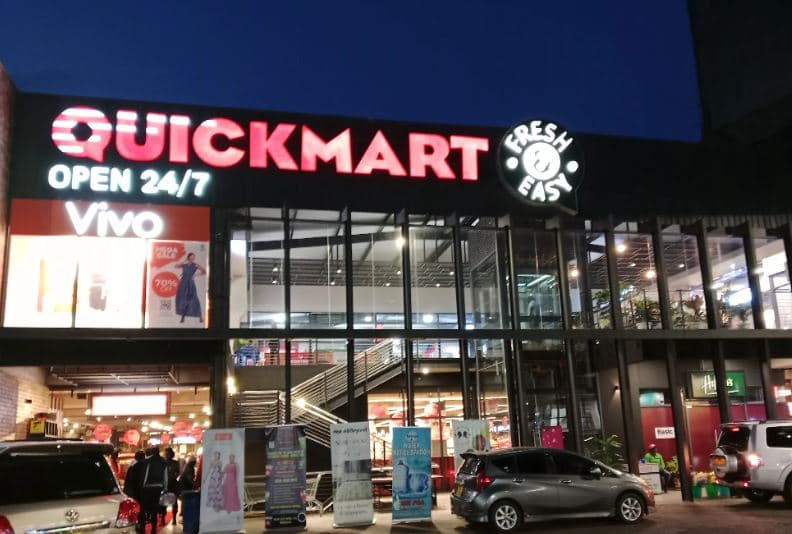
The United Kingdom government is preparing to invest in Kenya’s retail sector through a planned acquisition of a 6.5 per cent interest in supermarket chain Quickmart, committing approximately Ksh 1.94 billion to the business as part of its proposed public share sale.
The investment will be channelled through MOBILIST, a UK-backed initiative that seeks to mobilise private capital for developing economies by supporting businesses and investment opportunities through financial markets. The programme operates under the UK’s international development framework.
Under the proposed arrangement, the UK-backed programme will purchase 260 million shares in Quickmart from the two billion shares being offered to investors. The commitment amounts to about $15 million and places the programme among the major institutional investors participating in the transaction.
The International Finance Corporation (IFC), which is part of the World Bank Group, has also committed approximately Sh1.94 billion to the offer. Each institution is expected to acquire a stake of about 6.5 per cent, giving both international investors exposure to one of Kenya’s largest supermarket businesses.
The planned share sale is expected to raise approximately Ksh 15 billion and values Quickmart at about Ksh 30 billion. It will also provide an opportunity for the retailer’s existing owners to sell part of their holdings to the public and other investors.
The offering is being conducted through Sokoni Retail Kenya Limited, the investment vehicle associated with Quickmart’s existing shareholders. These include private equity firm Adenia Partners, members of the founding family and other investors linked to the supermarket’s development.
Why the investment matters
The UK government-backed investment comes as Quickmart seeks to broaden its shareholder base and establish a stronger presence in Kenya’s capital markets. Securing commitments from large institutional investors before a public offer can help demonstrate investor interest and provide a foundation for attracting additional buyers.
For the British government, the investment forms part of a wider approach to development finance that seeks to attract commercial funding into emerging markets. By investing through capital markets, programmes such as MOBILIST aim to support businesses while allowing investors to earn returns.
The IFC’s participation similarly reflects the role international development institutions can play in financing private businesses. The corporation invests in companies across developing economies, with a focus on supporting private-sector growth and economic activity.
However, the commitments do not remove the commercial risks associated with buying shares. Quickmart’s performance after the proposed listing will depend on its ability to grow sales, manage operating expenses, compete with other retailers and maintain profitability. Investors will also need to consider the final offer terms and the company’s financial position before making investment decisions.
Quickmart’s position in Kenya’s retail market
Quickmart has expanded its operations over the years to become one of Kenya’s leading supermarket chains. The business has built its presence through a network of outlets serving customers across several counties, competing with established retailers on product range, pricing and convenience.
The company’s reported financial results show that it remained profitable in 2025. Net profit increased by 33 per cent to Sh1.51 billion for the year ended December, while revenue rose by 9.3 per cent to Sh50.43 billion.
The growth in earnings indicates that the retailer increased its profits at a faster rate than its sales, suggesting an improvement in the relationship between revenue and costs during the period. Sustaining that performance will depend on how effectively the business manages expenses, stock, staffing and the costs associated with operating its stores.
Quickmart also distributed Ksh 1.65 billion in dividends to shareholders. The payment exceeded its reported annual net profit of Ksh 1.51 billion, a payout equivalent to approximately 109 per cent of earnings.
The difference is important for prospective investors because dividends are not the same as profits. A company can distribute more than its annual earnings using available cash or other financial resources, but maintaining such payments over time depends on its cash generation and wider funding needs.
Quickmart has indicated that it intends to maintain a dividend policy targeting the distribution of at least 80 per cent of earnings to shareholders. If implemented, the policy could make dividend income an important part of the investment proposition, although future payments will depend on the company’s performance and the decisions of its board.
The planned public offer will allow investors to assess Quickmart’s growth prospects, earnings and dividend policy before deciding whether to buy shares. The participation of the UK-backed programme and the IFC adds institutional interest to the transaction, but the supermarket’s long-term value will ultimately depend on its ability to remain profitable in Kenya’s competitive retail industry.

Comments
No comments yet. Be the first to share your thoughts.