
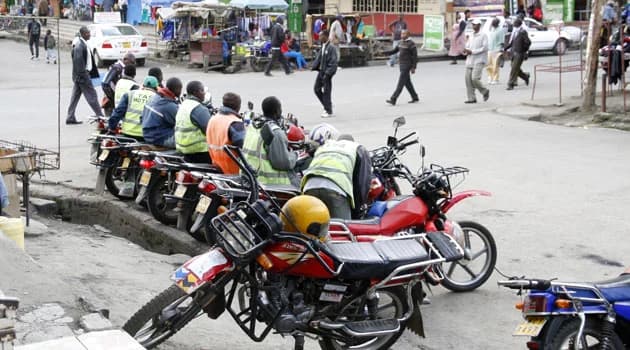
Watu Credit has lowered the amount new customers need to pay upfront for selected petrol motorcycles for boda boda and delivery riders.
Effective October 1, new customers financing Boxer, TVS, Honda and Haojin motorcycles will pay a 27 per cent deposit, down from 35 per cent. Customers returning with a previous Watu financing record will pay 24 per cent, compared with 30 per cent previously.
The new terms are available through Watu branches, dealers and agents, giving riders access through the company’s existing sales network.
Kenya recorded 252,241 new registrations of motorcycles, autocycles and three-wheelers in 2025, nearly twice the 126,490 recorded in 2024, according to the Kenya National Bureau of Statistics (KNBS). Motorcycles and autocycles accounted for 241,763 of the 2025 registrations.
The growth comes against a labour market where most workers operate outside formal employment. The 2026 Economic Survey says recorded employment reached 21.6 million people in 2025, with the informal sector accounting for 87.2 per cent.
For many workers, a motorcycle is more than a means of transport. It can be used for passenger trips, deliveries and small businesses, making the initial deposit an important barrier to entry.
“Lowering the entry point gives riders a stronger offer and gives us a stronger proposition in the market,” said Damien Gueroult, Watu Credit’s country manager for Kenya.
“What we are trying to unlock for our customers is easier access to an income-generating asset that puts more money in their pockets and helps them keep building their livelihoods and their businesses,” he added.
Watu provides financing for petrol and electric motorcycles, as well as three-wheelers.
The financing market is also changing as Kenya moves towards electric mobility. Watu has expanded into electric motorcycles, while the government’s National Electric Mobility Policy seeks to increase investment, local assembly, charging infrastructure and green jobs.
Research by the World Bank found that a lease-to-own electric motorcycle model in Nairobi increased rider productivity by 37 per cent, while energy efficiency nearly doubled.
The shift means financing will remain important even as riders move from petrol bikes to electric models. Digital platforms are also increasing demand for motorcycles used in ride-hailing and delivery work, creating another route into self-employment for young workers seeking flexible income opportunities and supporting local dealers too.


Comments
No comments yet. Be the first to share your thoughts.