
Africa’s rapid digital transformation is placing regulators under growing pressure to develop policies that can keep pace with emerging technologies while protecting consumers, strengthening cybersecurity and ensuring that no community is left behind.
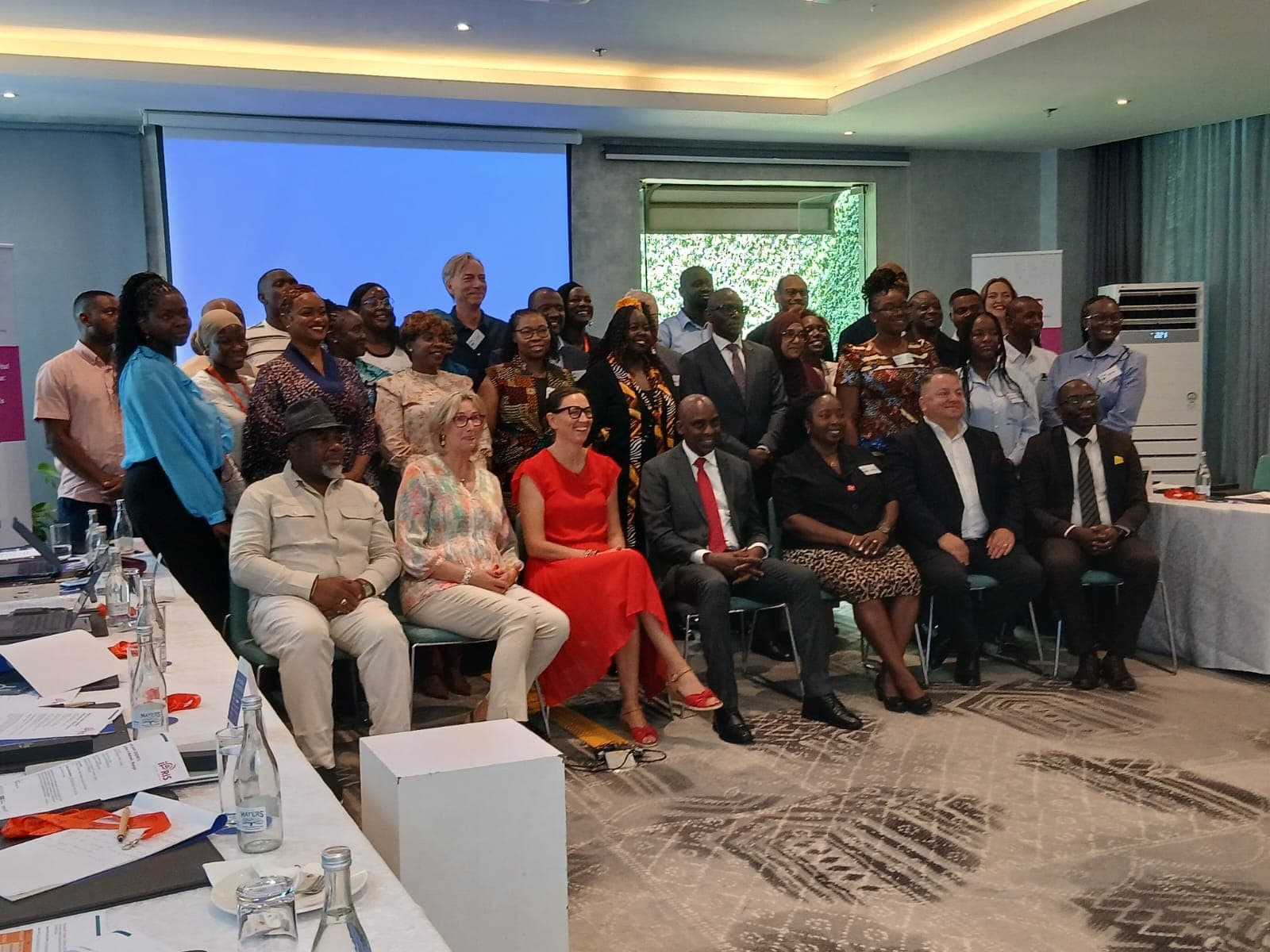
This was the central message in Nairobi as the eighth cohort of the ICT Policy and Regulation – Institutional Strengthening Programme (IPRIS) was officially launched, bringing together ICT regulators and policy experts from across Africa and Europe.
The programme has attracted representatives from national regulatory authorities and regional regulatory bodies, as well as partners from the European Union, Luxembourg, Sweden, the Swedish Post and Telecom Authority, Stockholm University and other institutions supporting digital development.
Communications Authority of Kenya Director General David Mugonyi said regulators would play a decisive role in determining the pace and direction of Africa’s digital revolution.
He said the continent’s digital transformation was inevitable, with the critical question being how quickly it would occur and whether its benefits would reach all sections of society.
“Effective and inclusive policies” would be critical in ensuring that digital transformation is fast, secure and trusted while delivering tangible social and economic benefits, Mugonyi said.
He identified competition, consumer protection, cybersecurity, online safety, digital inclusion, network resilience, emerging technologies and access to infrastructure as some of the key challenges requiring closer regulatory cooperation across borders.
Mugonyi challenged the eighth IPRIS cohort to move beyond acquiring knowledge and translate lessons from the programme into concrete institutional reforms in their respective countries.
He said international experiences would only have lasting value if participants adapted them to address specific regulatory challenges facing their home countries.
The CA Director General also stressed the need for stronger regional cooperation, warning that digital disruptions and threats can rapidly cross-national borders.
A disruption affecting a submarine cable in one country, for instance, can disrupt commerce and communications in several other countries, while digital fraud can spread rapidly across different markets.
Speaking on behalf of Sweden, Deputy Ambassador Soffie Hillbom said strong institutions, predictable regulatory frameworks and public trust were essential for creating an environment in which digital innovation could thrive.
She said Africa’s digital transformation should not be viewed solely through the lens of technology and infrastructure, but also in terms of its ability to create jobs, promote entrepreneurship and expand economic opportunities.
Hillbom described IPRIS as an initiative that goes beyond technical training by strengthening institutions and building lasting partnerships through peer-to-peer learning.
She said closer cooperation between African and European regulators could enable countries to confront common digital challenges and develop practical solutions.
Caroline Wamala Larsson, Director of SPIDER at Stockholm University, urged participants to openly share both their successes and challenges as they implement institutional change initiatives.
She said the success of Africa’s digital transformation should not be measured only by the technologies and infrastructure deployed, but also by who is able to access them, who benefits and who remains excluded.
The launch marks the beginning of several days of discussions, experience-sharing and practical learning among regulators and ICT policy stakeholders.
Participants were urged to use the programme to build professional networks that extend beyond the training period and develop measurable initiatives that place citizens, particularly underserved communities, at the heart of digital policymaking.
With Africa’s digital economy expanding rapidly, regulators are increasingly expected to strike a delicate balance between encouraging innovation and ensuring that digitalization remains secure, inclusive and beneficial to citizens across the continent.
By John Brighton and Zipporah Odionyi



Comments
No comments yet. Be the first to share your thoughts.