
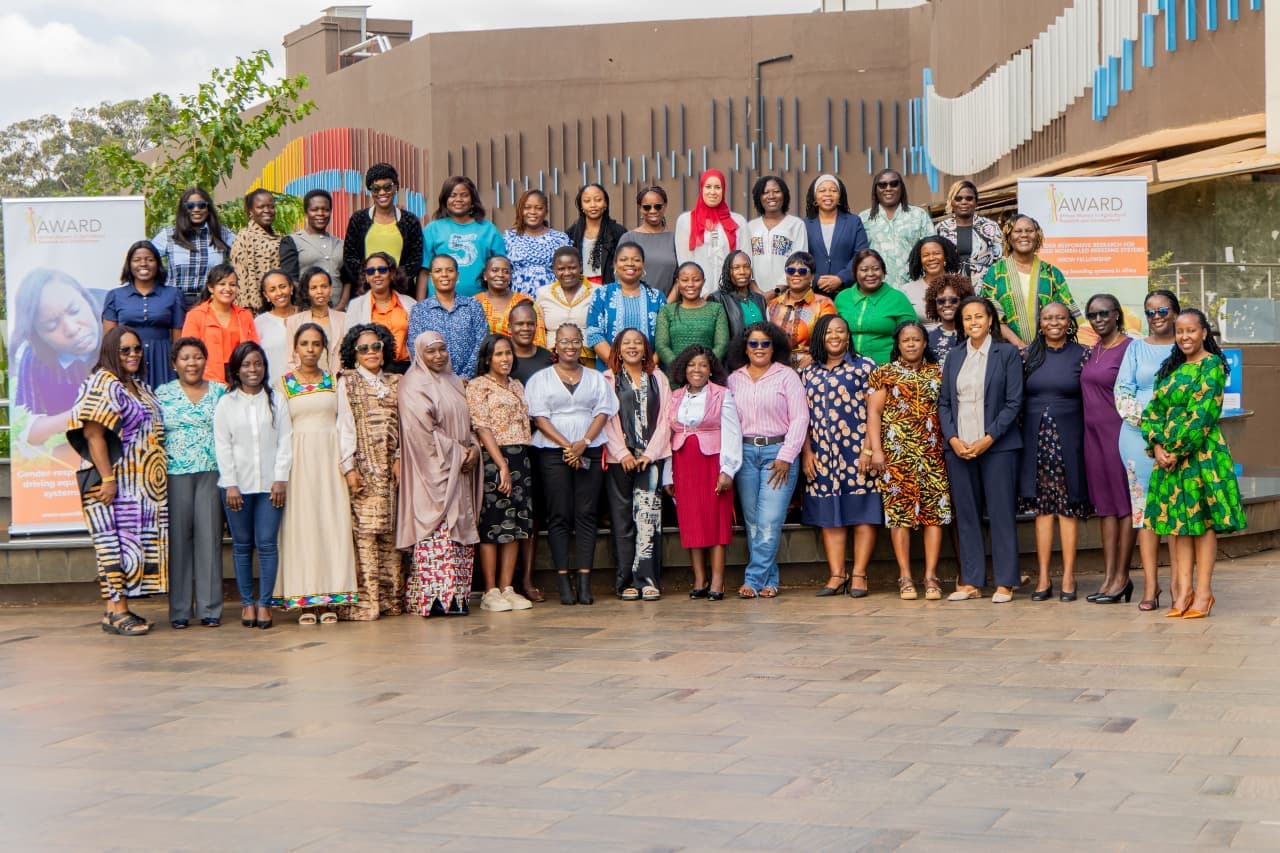
A new programme funded by the Gates Foundation will support 47 women plant breeders from 14 African countries and work with six research institutions and universities to increase women’s participation in agricultural research.
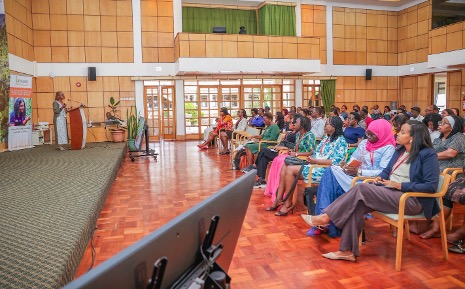
The initiative, launched in Nairobi on Thursday by African Women in Agricultural Research and Development (AWARD), seeks to address the underrepresentation of women in plant breeding and improve the adoption of new crop varieties among women smallholder farmers.
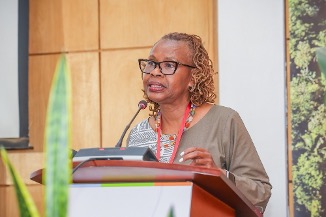
AWARD Director Dr. Susan Kaaria said agricultural research must reflect the needs of women farmers and involve more women in developing new crop varieties.
“Without a gender lens, new varieties can miss farmers’ priorities and never be adopted,” Kaaria said during the launch at the CIFOR-ICRAF campus.
Women account for less than 15 per cent of plant breeders in West and Central Africa, with their representation also remaining low in senior research and management positions where research priorities and resource allocation decisions are made.
The programme will work with six institutions in Ethiopia, Kenya and Nigeria to identify gender gaps in their policies and practices and develop action plans to address them.
In Kenya, the initiative will involve the Kenya Agricultural and Livestock Research Organization (KALRO) and Egerton University. Ethiopia will be represented by the Ethiopian Institute of Agricultural Research and Mekelle University, while Nigeria will have the Federal University of Agriculture, Abeokuta, and the National Root Crops Research Institute.
Research institutions will audit their policies and practices, train staff and develop measures to improve gender responsiveness. Universities will review their curricula and teaching methods to equip future agricultural scientists with the skills to incorporate gender considerations into crop breeding.
The second component, the Gender Responsive Research for Optimized Women-led Breeding Systems (GROW) Fellowship, will equip 47 women breeders with technical and leadership skills over two years.
The fellows will receive training in leadership, negotiation and gender-responsive breeding research, alongside mentorship, networking and peer-learning opportunities.
On her part, Dr. Jane Jerono Cheserek, Chief Research Scientist at KALRO’s Coffee Research Institute and one of the fellows, said she hopes to strengthen her leadership skills and contribute to research that benefits coffee farmers.
“I want to become a leader who produces strong science, develops the people around me, and helps the Institute deliver lasting benefits to coffee farmers,” Cheserek said.
AWARD has since expanded its approach beyond individual training to address institutional barriers that limit women’s career advancement.
Established in 2008, the organization has run 18 fellowship cycles, graduated more than 1,200 fellows, worked with about 460 institutions and operated in 26 African countries.
The programme, implemented in partnership with Makerere University and Cornell University, seeks to ensure agricultural research reflects women’s needs and priorities while preparing future scientists to incorporate gender considerations into crop breeding.


Comments
No comments yet. Be the first to share your thoughts.