
Data by the Kenya National Cancer Registry shows seven out of 10 cancers are diagnosed at stages three and four.
Additional data from National Cancer Institute of Kenya (NCIK) indicates that breast cancer is the leading type in Kenya with an estimated 6,799 cases annually accounting for 12.5 percent of the overall cancer burden.
The data further indicate that approximately 7 to 9 people die from breast cancer each day in Kenya. This daily mortality rate translates to 3,107 annual deaths and accounts for 23.3 percent of all cancer cases in women.
However, Nakuru County Executive Committee Member (CECM) for Health Ms Roselyn Mungai says the disease is not a death sentence, despite the fact that nearly 70 percent of breast cancer in Kenya are diagnosed late when chances of curative treatment are lesser.
The CECM explained that Breast cancer was curable if detected early, but the majority of patients present at stage three and four when cancer cells have spread, making it challenging to treat and cure.
Ms Mungai was nevertheless elated that the County Government of Nakuru had intensified efforts to promote breast cancer awareness and early detection by offering subsidized breast health services at the Nakuru County Referral and Teaching Hospital (NCRTH) throughout the month of October.
The initiative, being undertaken during Breast Cancer Awareness Month, will provide clients with a 50 per cent discount on breast ultrasound services and mammography for those without Social Health Authority (SHA) cover, while mammography for clients covered by SHA will be catered for under the scheme.
Data by the Kenya National Cancer Registry shows only about 25 percent of Kenyan women aged between 15-49 have performed a self-breast examination, while 14 percent have had a clinical breast examination.
Cancer examination as per the report is likely to be lower in rural areas as well as those of low socio-economic status.
The CECM stated that breast cancer screening is considered the best bet for early detection because it can identify the disease in its initial, localized stages, often years before physical symptoms appear.
Ms Mungai noted that the county was prioritizing prevention and early detection of cancer by taking screening and awareness services closer to communities.
For many women, Ms Mungai said, cancer remains a serious threat due to a lack of information or access to necessary care.
Ms Mungai observed that Governor Susan Kihika’s administration was committed to strengthening prevention, early detection and routine treatment mechanisms so that people could seek care before the disease advances.
The CECM called on residents to undergo regular cancer screening, stressing that early detection enables patients to begin treatment at the earliest stage possible.
As part of the October breast cancer awareness campaign, NCRTH will offer free breast clinic consultations on October 7, 14, 21 and 28, 2026.
Breast imaging services will be available at the Radiology Department in Block 6, with ultrasound and mammography offered following clinical assessment to determine the appropriate examination.
Residents seeking breast assessment have been advised to book appointments in person at NCRTH and to seek medical attention even when they have no symptoms, particularly if they have concerns or known risk factors.
The CECM indicated that the awareness campaign is aimed at encouraging women to prioritize breast health, seek timely medical assessment and avoid waiting until symptoms become advanced.
According to the World Health Organization (WHO), breast cancer is one of the leading causes of cancer illness and death among women globally.
WHO notes that early diagnosis and access to appropriate treatment are critical in reducing deaths from the disease.
The global health body identifies a breast lump or thickening, changes in the size or shape of the breast, skin changes, alterations to the nipple and abnormal discharge as some of the signs that require medical assessment.
Kenya’s Ministry of Health has identified early detection, diagnosis, treatment and follow-up as key components of the national cancer-control response.
The Ministry’s breast cancer management protocols provide for breast awareness and education for women of all ages, with clinical breast examination and imaging recommended according to age and risk factors.
The protocols include ultrasound and mammography as important diagnostic and screening tools for appropriate age groups and risk categories.
Ms Mungai noted that Nakuru County Department of Health had integrated reproductive tract cancer screening into Maternal and Child Health and Family Planning services to improve access to screening and early diagnosis.
She observed that the county’s health sector report indicated that breast and cervical cancers were significant causes of cancer-related mortality in Nakuru.
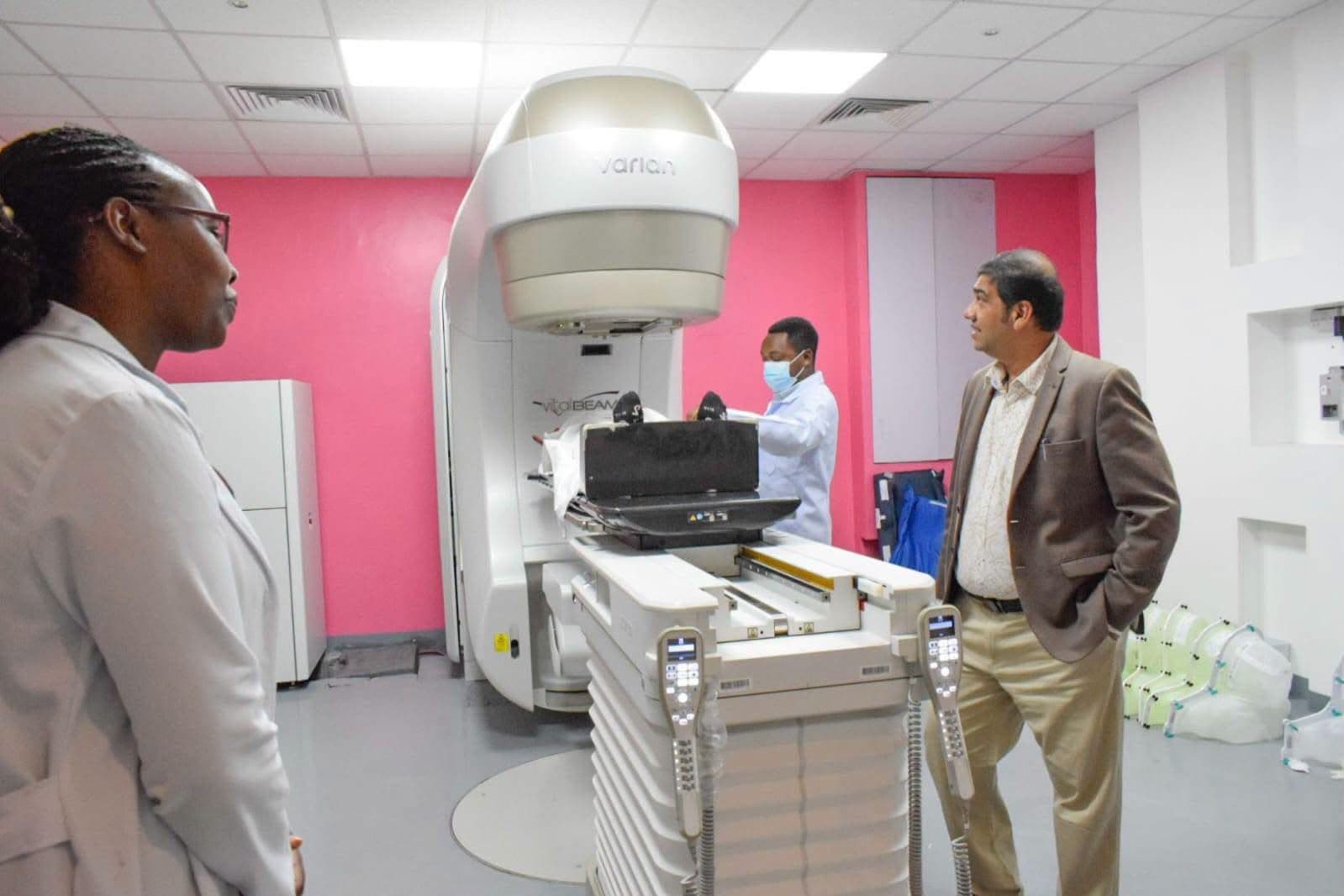
Nakuru has also expanded cancer services at NCRTH, which hosts the Regional Cancer Centre providing screening, chemotherapy, radiotherapy and palliative care.
Cancer surgery is also available at Nakuru Level 5 Hospital, while the county has conducted cancer screening outreaches across all 11 sub-counties.
The Ministry of Health has also announced plans to upgrade the Nakuru Regional Cancer Centre into a major referral facility serving patients from 24 counties.
The October campaign is therefore expected to complement the county’s wider cancer-control efforts by increasing awareness, improving access to breast health services and encouraging residents to seek timely assessment.
According to Ms Mungai, cancer screening can be done either through clinical, self-examination or mammograms, an international modality of screening individuals above 40 years.
The test is aimed at identifying healthy women who may have as yet undiagnosed or asymptomatic cancer, or who may have risk modifying or precancerous changes in the breast, which would mean an increased risk of breast cancer.
A mammogram uses low energy X-ray to identify abnormal masses.
Oncologists have however pointed out that though it is a health requirement that every woman above the age of 50 goes for a mammogram annually, very few know about that despite breast cancer being the most frequent malignancy in women and is associated with high mortality.
According to Ms Mungai (CECM) another common misconception is that breast cancer cannot afflict men; in reality, she adds that men do have breast tissue and can develop the disease.
Although rare, accounting for less than 1 percent of all breast cancer cases, the CECM affirmed that awareness is crucial because men are often diagnosed at later stages, leading to potentially fatal outcome.
According to statistics by the Ministry of Health, the national uptake of all forms of cancer screening stands at 16 percent.
The statistics also rank cancer as the third leading high mortality disease in Kenya followed by infectious diseases, with cervical cancer as the top cause of death among women followed by breast cancer.
The statistics indicate that about 6,000 new cases of breast cancer are reported every year in the country.
Ms Mungai observes that though cancer has been associated with the rich, the disease was now very common among middle- and low-income earners in the country.
The CECM also encouraged parents to take their 10-year-old girls for the Human Papillomavirus (HPV) vaccine to prevent cervical cancer.
She disclosed that the cervical cancer screening services remain available in all public health facilities within the devolved unit, and appealed to all eligible women to visit their nearest health facilities for screening at least once a year.
Ms Mungai hailed Governor Susan Kihika’s administration for working to improve services at the cancer centre to ease the burden on patients and caregivers.
She said there was a need to bridge the gap between screening and medication, adding that most cancer cases are diagnosed late when nothing much can be done.
According to the Kenya Cancer Network there are about 40,000 new cases of cancer each year in the country that leads to 28,000 deaths.
NCRTH Director Dr Santosh Devaraj noted that cancer management requires a coordinated approach from screening and diagnosis to treatment and follow-up care, noting the importance of strengthening access to specialized cancer services.
“Throughout the month of October, NCRTH is offering free breast clinic consultations every Wednesday, alongside a 50 per cent discount on breast ultrasound services,” said Dr Devaraj.
He added that for mammography, cash-paying clients will receive a 50 per cent discount, while clients covered by the Social Health Authority (SHA) can fully utilize the dedicated breast cancer screening package.
He pointed out that NCRTH is committed to strengthening cancer services and ensuring that patients from Nakuru and neighbouring counties can access timely and quality cancer care.
Dr Devaraj urged women to take advantage of the October breast health services and seek medical assessment early rather than waiting until symptoms become advanced.
“Do not wait for symptoms. Get checked, and encourage the women you love to do the same,” advised the Director.
by Carolyne Nyakio/Esther Mwangi
Comments
No comments yet. Be the first to share your thoughts.