
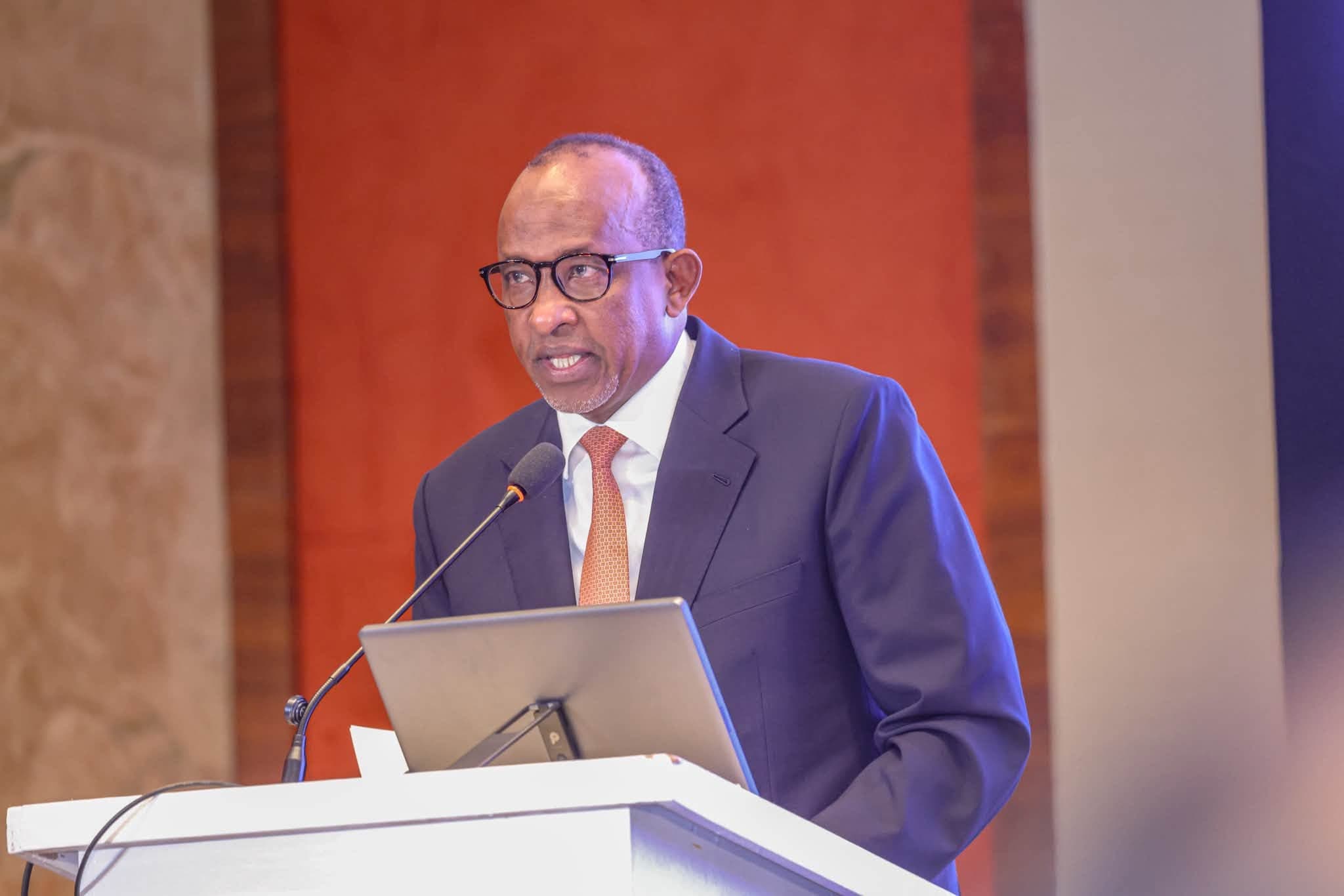
Kenya is strengthening local pharmaceutical manufacturing and regulatory cooperation to expand access to quality health products and build more resilient health systems across Africa.
Opening the sixth PharmaReg AfriSummit 2026, Cabinet Secretary (CS) for Health Aden Duale outlined Kenya’s measures to reduce dependence on imported health products and strengthen domestic production.
The CS noted that Africa imports more than 70 percent of the health products it consumes, while approximately 85 percent of the continent’s pharmaceutical manufacturing facilities are concentrated in eight countries.
Through the 2026–2030 Health Products and Technologies Local Manufacturing Strategy, Duale announced that Kenya aims to produce at least 50 percent of its essential health products locally.
“Thirteen new pharmaceutical companies have commenced operations, with some already manufacturing for export,” he disclosed.
Further, Duale reported that the Pharmacy and Poisons Board is also enhancing market surveillance and advancing Kenya’s regulatory system towards WHO Maturity Level 3.
He added that more than 2,200 substandard, falsified and non-compliant products have been removed from the market
Held under the theme ‘Building the Bridge of Health’, the five-day Summit has convened more than 450 health professionals, regulators, industry representatives, and partners from Africa and beyond to advance pharmaceutical regulation, local manufacturing and Universal Health Coverage.
Present were Principal Secretary for Medical Services Dr Ouma Oluga; AfriSummit Chairperson Dr Mona Moussli; Haleon General Manager for Sub-Saharan Africa Himanshu Raj; Pharmacy and Poisons Board Chairperson Dr John Munyu; PPB Chief Executive Officer Dr Ahmed Mohamed; and Kenya Medical Supplies Authority Chief Executive Officer Dr Waqo Ejersa, among other delegates.
by Michael Omondi



Comments
No comments yet. Be the first to share your thoughts.