
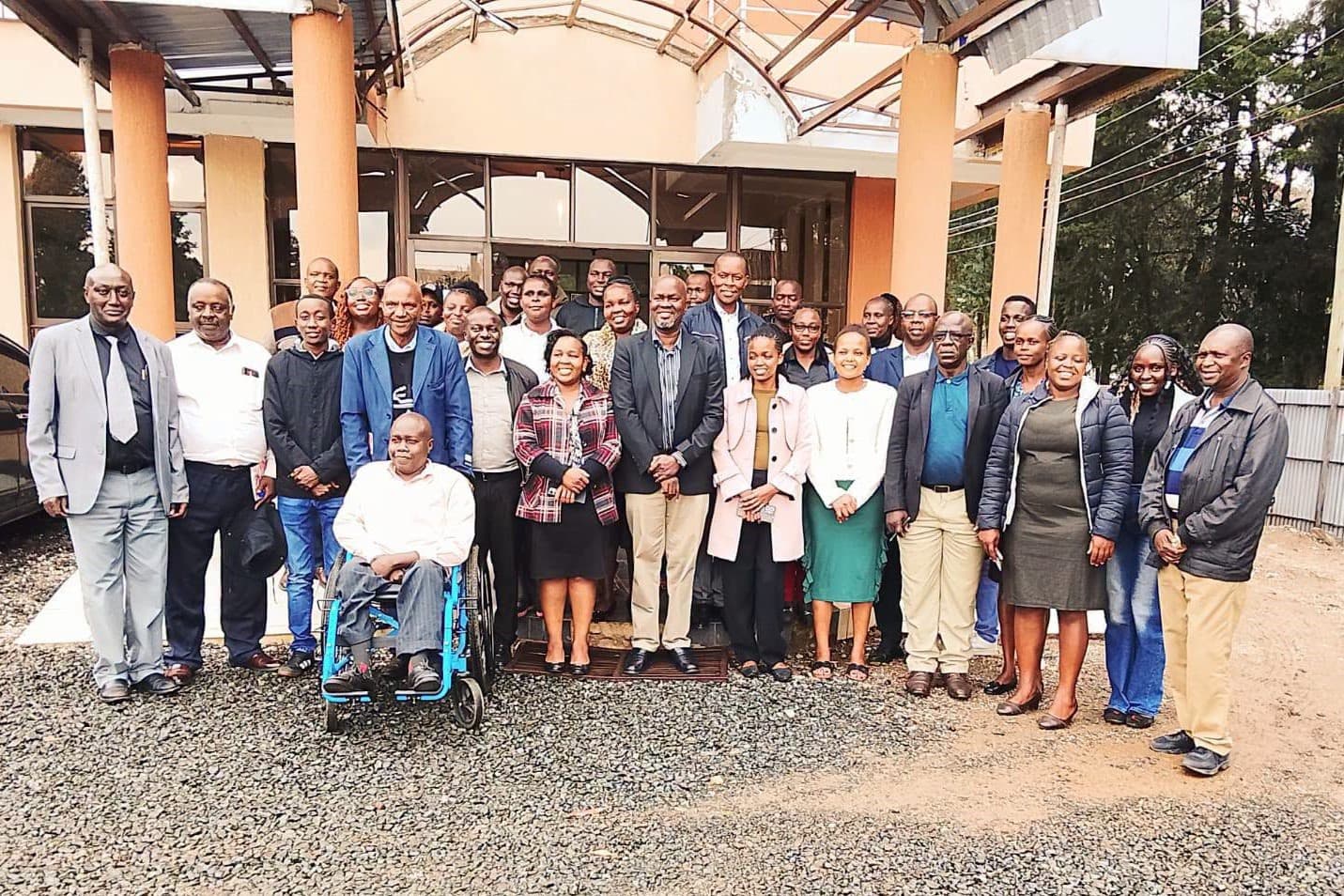
Kericho County has enhanced preparations for anticipated enhanced rainfall, bringing together Government departments, farmers and other stakeholders to strengthen the use of weather information in protecting crops, livestock, public infrastructure and essential services.
The initiative is aimed at ensuring farmers and communities receive timely climate information that can guide decisions before and during the rainy season, while enabling Government departments to plan for possible effects on roads, health facilities, schools, agriculture and other public services.
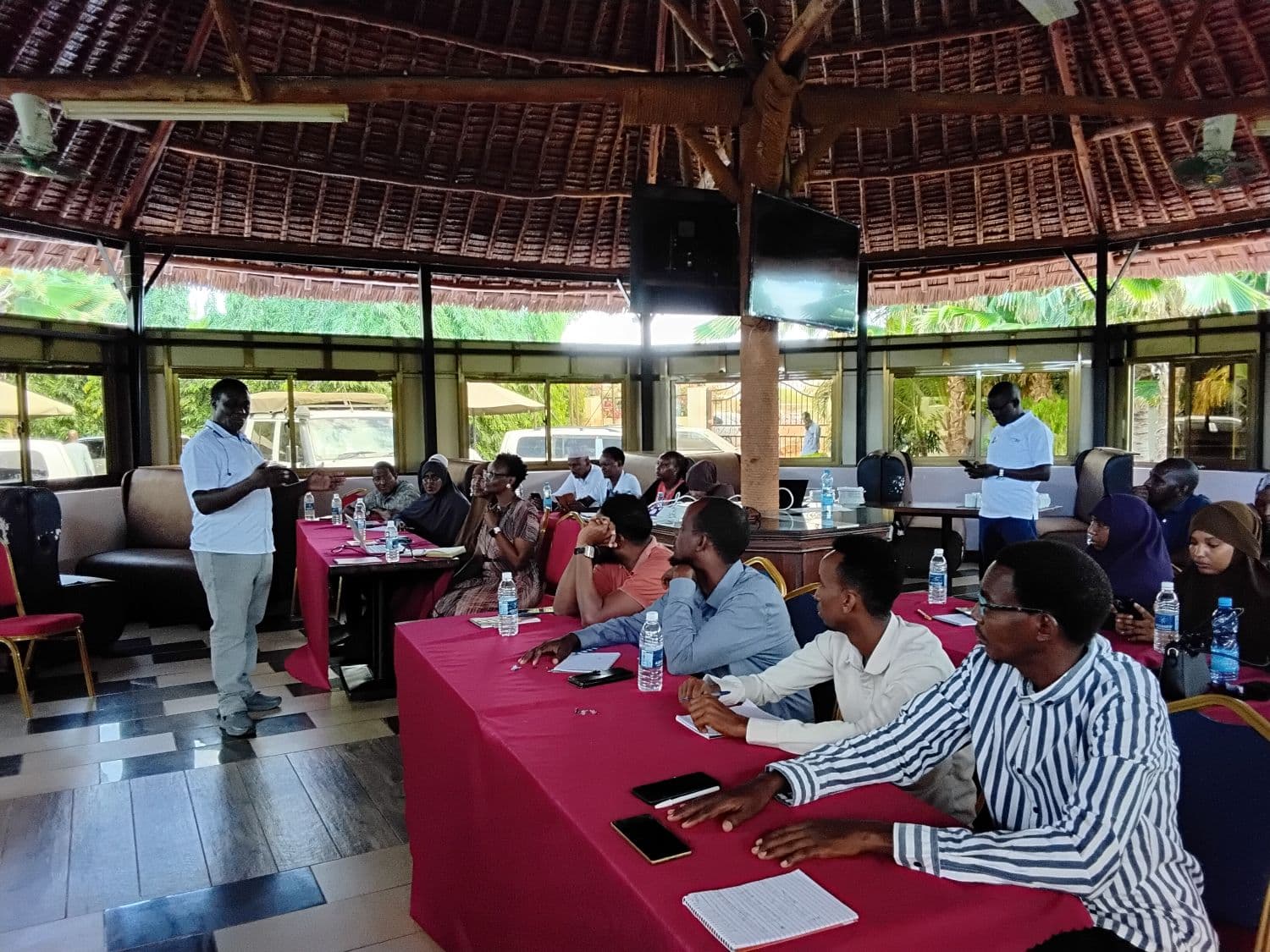
A two-day Climate Participatory Scenario Planning (PSP) workshop, convened at ACK Grace Hall in Kericho by the Food and Agriculture Organization (FAO), through its TUNZA programme, in partnership with the Kenya Meteorological Department (KMD), is focusing on how climate forecasts can be translated into practical advice for communities.
Participants drawn from Agriculture, Health, Education, Disaster Management, Public Works, Roads and Transport, Energy and Environment, together with farmer groups, are being trained on interpreting climate information and using it to make decisions based on possible weather conditions.
Speaking at the workshop, CECM for Agriculture, Livestock, Fisheries and Cooperatives John Cheruiyot called on stakeholders to work together to reduce the potential effects of the anticipated El Niño conditions, noting that preparedness required action across different sectors.
“We need to work together as stakeholders to ensure that we are adequately prepared for the anticipated El Niño and that the information reaching our farmers and communities is timely and actionable.”
Cheruiyot said the County Government was continuously updating its preparedness framework through sensitization forums and dissemination of climate information using various channels.
He said coordination among departments was particularly important because heavy rainfall can affect several sectors at the same time, disrupting transport, agricultural activities, public facilities and delivery of essential services.
For farmers, access to timely and reliable information can help guide decisions on when to plant, which crops to consider, application of farm inputs, water management and protection of crops and livestock from possible losses.
Climate Participatory Scenario Planning brings together climate experts, Government officers and communities to examine available forecasts, discuss possible impacts and agree on practical measures that can be taken in advance.
The approach also gives farmers an opportunity to bring their experiences and concerns to discussions, helping ensure that climate advisories address conditions experienced at local level.
Through its TUNZA programme, FAO is working with the Government of Kenya and county governments in the Lake Region to promote climate-resilient agriculture and improve access to climate information and advisory services among smallholder farmers.
TUNZA supports farmers through groups and cooperatives and focuses on value chains including tea, coffee, dairy, poultry, fruit trees and African leafy vegetables.
KMD provides seasonal forecasts and other climate information products to support planning in agriculture, health, water, energy, transport and disaster management, among other sectors.
Use of such information enables institutions and communities to assess possible weather-related risks and take appropriate measures in advance, while giving farmers an opportunity to adjust their production activities according to expected weather conditions.
In Kericho, where many households depend on farming for food and income, weather conditions have a direct impact on livelihoods. Decisions made before the rains arrive can influence planting, crop management and harvesting, while prolonged or heavy rainfall can also affect roads, markets and public facilities.
County authorities have continued to encourage residents to follow weather updates and advisories issued through official channels as preparations for the anticipated rainfall continue.
The workshop is expected to strengthen cooperation between climate information providers, county departments and communities, enabling stakeholders to agree on practical measures for different weather scenarios.
Improved coordination will also support early warning and preparedness by ensuring that information reaches those who need it in time to take preventive measures and reduce possible disruption to livelihoods and public services.
For farmers and other residents, the benefit of the exercise ultimately lies in receiving reliable information early enough to make informed decisions, protect investments and reduce avoidable losses during the rainy season.
By Gilbert Mutai
Comments
No comments yet. Be the first to share your thoughts.