
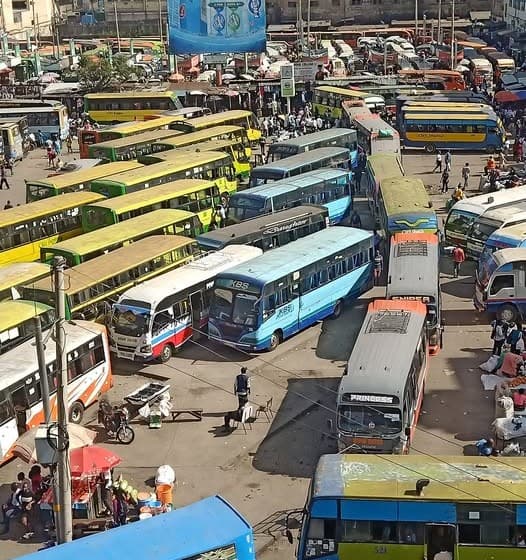
The National Transport and Safety Authority (NTSA) will intensify road safety enforcement along major transport corridors ahead of the festive season, targeting speeding, driver fatigue, drunk driving and other risky behaviours linked to road crashes.
In a statement by NTSA, the Authority said it would deploy enforcement officers, expand night-time compliance checks and use digital monitoring systems, to improve compliance with traffic regulations as millions of Kenyans travel to reunite with their families during the holidays.
The measures include enhanced monitoring of speed limiters, roadside vehicle safety checks, driver retesting and stricter accountability for public service vehicle (PSV) operators.
NTSA indicated it had upgraded its Intelligent Road Safety Management System (IRSMS), which was rolled-out in October 2026, to detect, record and track speeding violations.
The system links motor vehicle owners, commercial transport operators, public transport providers and licensed speed limiter vendors, enabling the Authority to monitor compliance among commercial vehicles weighing 3,048 kilogrammes and above, as well as PSVs with a capacity of seven passengers or more.
Under Operation Watoto Wafike Salama, enforcement officers will be deployed along major transport corridors, to enhance the safety of children travelling home for the holidays.
The officers will use the upgraded monitoring system and the NTSA Enforcement Mobile App. to verify compliance with speed limiter requirements, driving licences and vehicle inspection certification, among other documents.
The Authority will also scale-up night-time compliance checks, along major roads and identify accident blackspots to curb speeding and other traffic violations. –
NTSA pointed out that it would conduct periodic roadside safety checks on PSVs, commercial vehicles and private vehicles to identify visible defects and advise owners on corrective measures, including formal statutory inspections where necessary.
The Authority is also strengthening its capacity-building programme for PSV drivers and public transport operators, focusing on professional driving, road safety, passenger service, fleet management and regulatory compliance.
As of October 20, 2026, NTSA had trained 3,201 participants, comprising 2,352 PSV drivers and 849 transport operator management personnel.
Public transport operators have also been directed to monitor the licensing, inspection, insurance and driver documentation status of their fleets and address any non-compliance.
NTSA said it was upgrading its Public Transport Operator Module, to enable fleet managers to monitor compliance and safety standards before regulatory intervention becomes necessary.
Operators providing long-distance and night travel services, will be required to implement journey planning and driver fatigue management measures, including adequate rest periods and appropriate driver changeovers.
Commuter operators seeking short-term road service licences for long-distance operations must demonstrate adequate journey planning, driver preparedness and fatigue management arrangements as part of the licensing process.
The Authority warned that operators would face strict regulatory action over persistent violations, including speeding, overloading and dangerous driving.
It will also continue mandatory retesting of drivers found violating traffic rules and regulations.
NTSA said crash investigation data had identified speeding and driver errors, including misjudging overtaking distances, as major contributors to fatal and serious injuries.
To address the risks, the Authority plans to launch a comprehensive Usalama Barabarani campaign combining public sensitisation with enforcement to promote safer driving practices.
NTSA urged motorists and other road users to remain vigilant, use roadworthy vehicles and prioritise safety throughout the festive season.
by Wangari Ndirangu



Comments
No comments yet. Be the first to share your thoughts.