
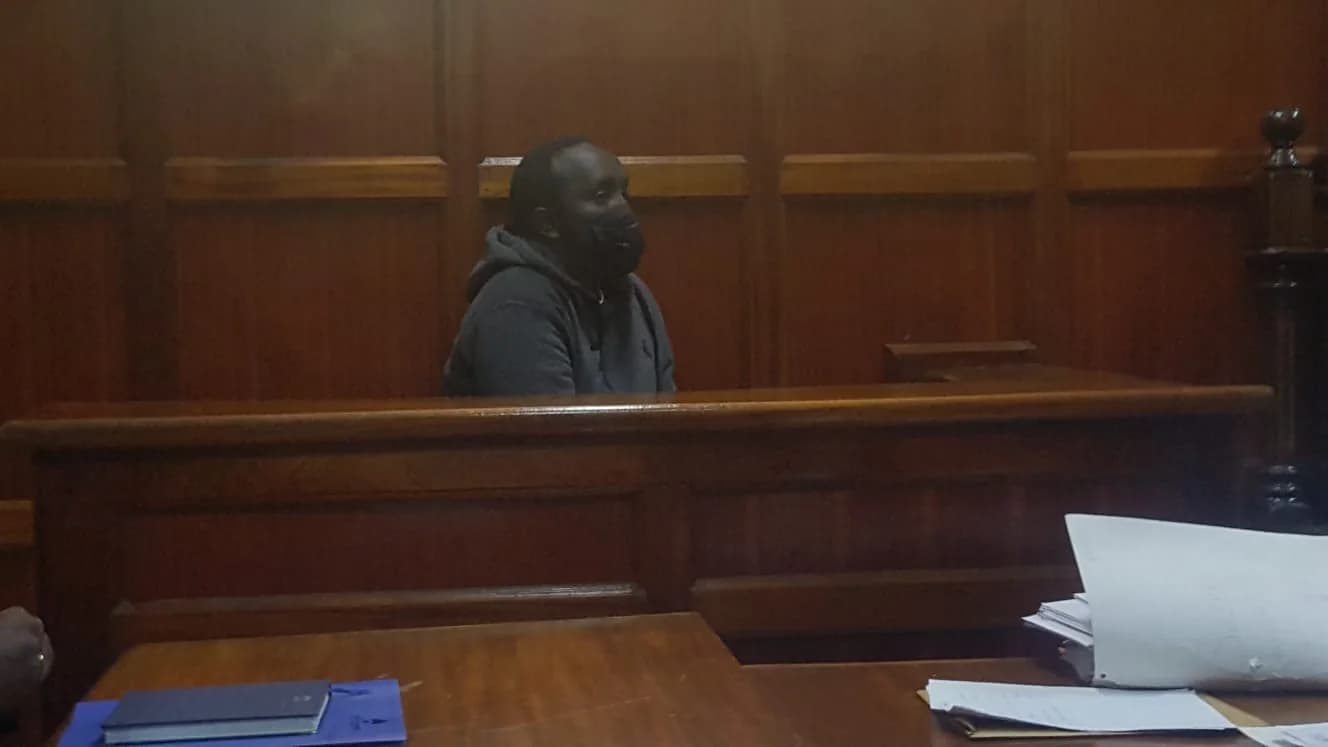
DPP asks court to clear Kenyan suspect’s extradition to UK over murder charges

Brian Kiprop Kiplagat faces allegations including murder, manslaughter, perverting the course of justice and fraud by false representation.
The Director of Public Prosecutions (DPP) has asked the Milimani Law Courts to approve the extradition of Kenyan national Brian Kiprop Kiplagat to the United Kingdom (UK), where he is wanted to face murder and other criminal charges.
Prosecution counsel Dancun Ondimu told the court that the extradition proceedings should be confined to determining Kiplagat’s identity and whether the offences for which the British authorities seek him are political in nature.
Ondimu opposed Kiplagat’s attempt to introduce evidence challenging aspects of the extradition request, arguing that the court was not sitting to determine his guilt or innocence.
“The court is not conducting a trial,” the prosecution argued, maintaining that the merits of the allegations against Kiplagat should not be examined at this stage.
The DPP told the court that Kiplagat was wanted in connection with the alleged murder of a fellow Kenyan and claimed that he returned to Kenya after the alleged offence was committed.
The prosecution maintained that sufficient grounds had been presented to justify his surrender to the UK to answer the charges.
Latest Stories
- Court rejects TSC bid to enforce restrictions on teachers’ social media use
- Sudan accuses Ethiopia of hosting launch platforms for drone attacks on its territory
- Ex-USIU-Africa student Duncan Kimathi sentenced to death over murder of Sarah Aruwa 14 years ago
- Kenya seeks bigger slice of EU market with new export catalogue
Kiplagat faces allegations including murder, manslaughter, perverting the course of justice and fraud by false representation.
The court also heard arguments over Kiplagat’s mobile phone, which the prosecution said was being held as part of a separate Mutual Legal Assistance (MLA) request.
Ondimu told the court that the device formed part of the evidence being considered in ongoing investigations, opposing any attempt to treat it as property unrelated to the proceedings.
The prosecution, however, assured the court that Kiplagat’s constitutional rights were being respected, including his access to healthcare.
It further indicated that property not connected to the extradition proceedings would be returned to him.
During the proceedings, the court was informed that a copy of Kiplagat’s national identity card was available through the investigating officer.
Kiplagat requested to be escorted to Lumar Centre to collect the document after confirming that it was ready.
The court directed that the investigating officer verify the status of the identity card before arrangements were made for its collection.
The extradition proceedings will determine whether the legal requirements for Kiplagat’s surrender to the UK have been met.
The prosecution insists that the court’s role at this stage is limited and that challenges to the substance of the criminal allegations should not be used to derail the extradition process.



Comments
No comments yet. Be the first to share your thoughts.