
Agricultural technology experts are seeking affordable and locally adapted Artificial Intelligence (AI) tools to improve smallholder farmers’ access to weather forecasts, agricultural advice, financial services and markets.
As funding for digital agriculture programmes comes under pressure, Siaka Gatabaki, Programme Director at Prosper Global AgriFin, said fewer than 10 per cent of the more than 20 million farmers reached by the organisation and its partners were directly using AI solutions, highlighting the need to make the technology more accessible.

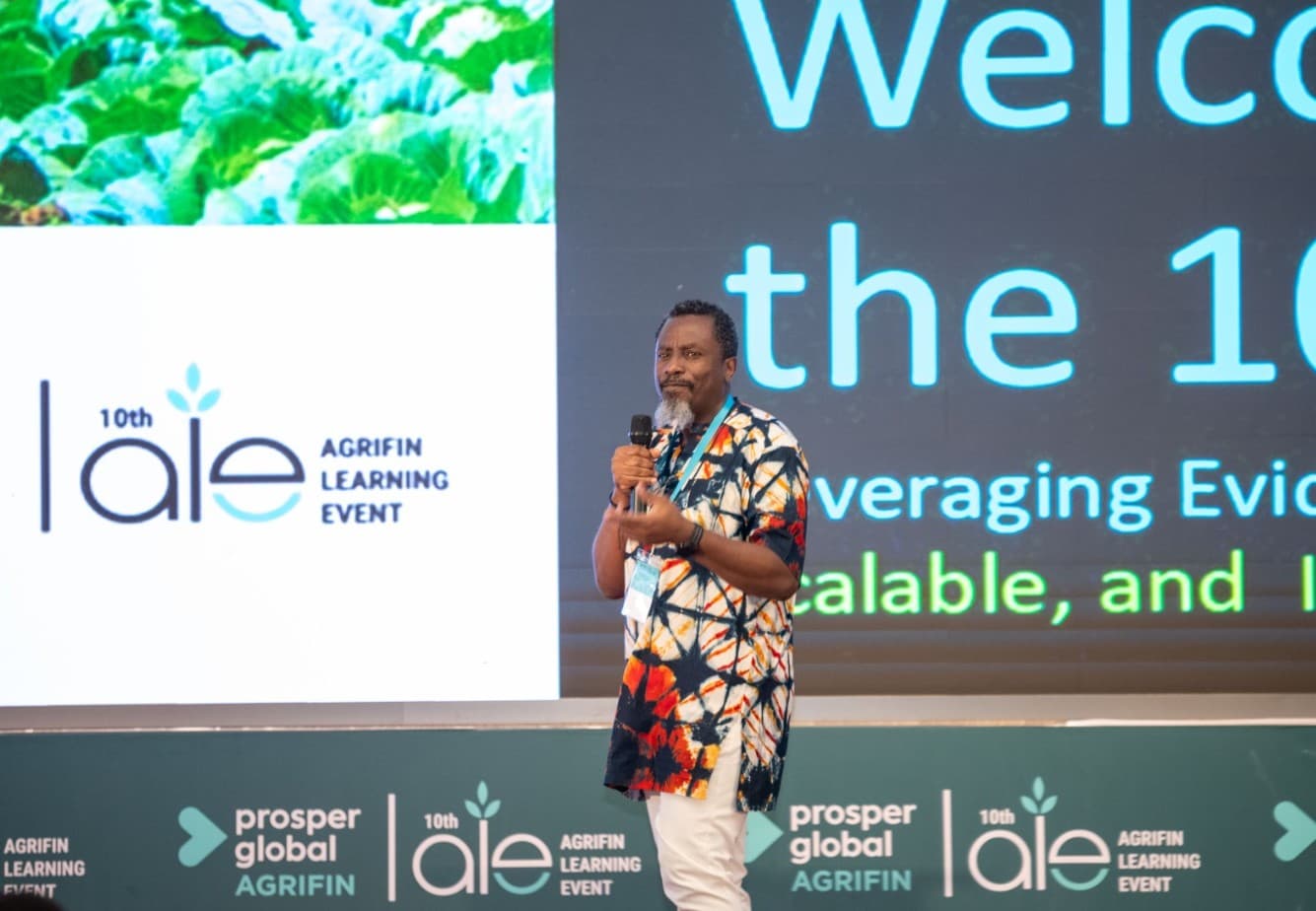
Speaking at the 10th AgriFin Learning Event in Nairobi, Gatabaki said AI could help bridge information gaps in agriculture, but its benefits would depend on the reliability of data, affordability of services and farmers’ ability to understand the information provided.
He said the organisation was working with partners to develop AI-enabled chatbots and explore ways of translating agricultural information into local languages to help farmers use the technology more effectively.
“We are hopeful that as AI is localised into local languages, more farmers will be able to access these services,” Gatabaki said, adding that sustainable business models were needed to ensure the cost of AI services did not fall on smallholder farmers.
The Programme Director noted that digital technologies were helping reduce some of the risks that have discouraged investment in agriculture, including limited access to weather information, inadequate infrastructure and the high cost of serving dispersed smallholder farmers.
He noted that improved weather forecasting, digital extension services and better access to market information could enable farmers and financial institutions to make more informed decisions.
Gatabaki said the funding environment was shifting from grants towards investment instruments, including debt and equity, increasing the need for agricultural businesses to develop commercially sustainable models.
Elias Nure, Global Digital Climate Smart Agriculture Director at Prosper Global AgriFin, said the organisation was using validated information from the Kenya Meteorological Department (KMD) and the Kenya Agricultural and Livestock Research Organization (KALRO) to support the delivery of localised agricultural and weather advisories.

He stressed the importance of ensuring that AI-generated information was reliable, transparent and clearly understood by farmers.
The discussions in the meeting also focused on sustaining digital agricultural services as development financing becomes more constrained.
Jasmina Lipovic, Global Finance Operations and Compliance Director at Prosper Global AgriFin, said the organisation was strengthening partnerships with banks, agribusinesses, and technology companies to ensure services could continue beyond the initial funding period.
She said the programme was diversifying its funding sources and developing new initiatives to build on previous gains.
AgriFin, established in 2012, has supported digital agricultural innovations across several African countries.
According to the programme, its previous phase targeted five million smallholder farmers but reached more than 8.5 million through digital information services, with women accounting for 41 per cent.
The one-day event, held under the theme “Leveraging Evidence for Connected, Scalable, and Inclusive Digital Agriculture”, brought together policymakers, financial institutions, technology providers, and development partners to discuss how digital solutions can improve agricultural productivity and farmers’ resilience.
By Wangari Ndirangu



Comments
No comments yet. Be the first to share your thoughts.