
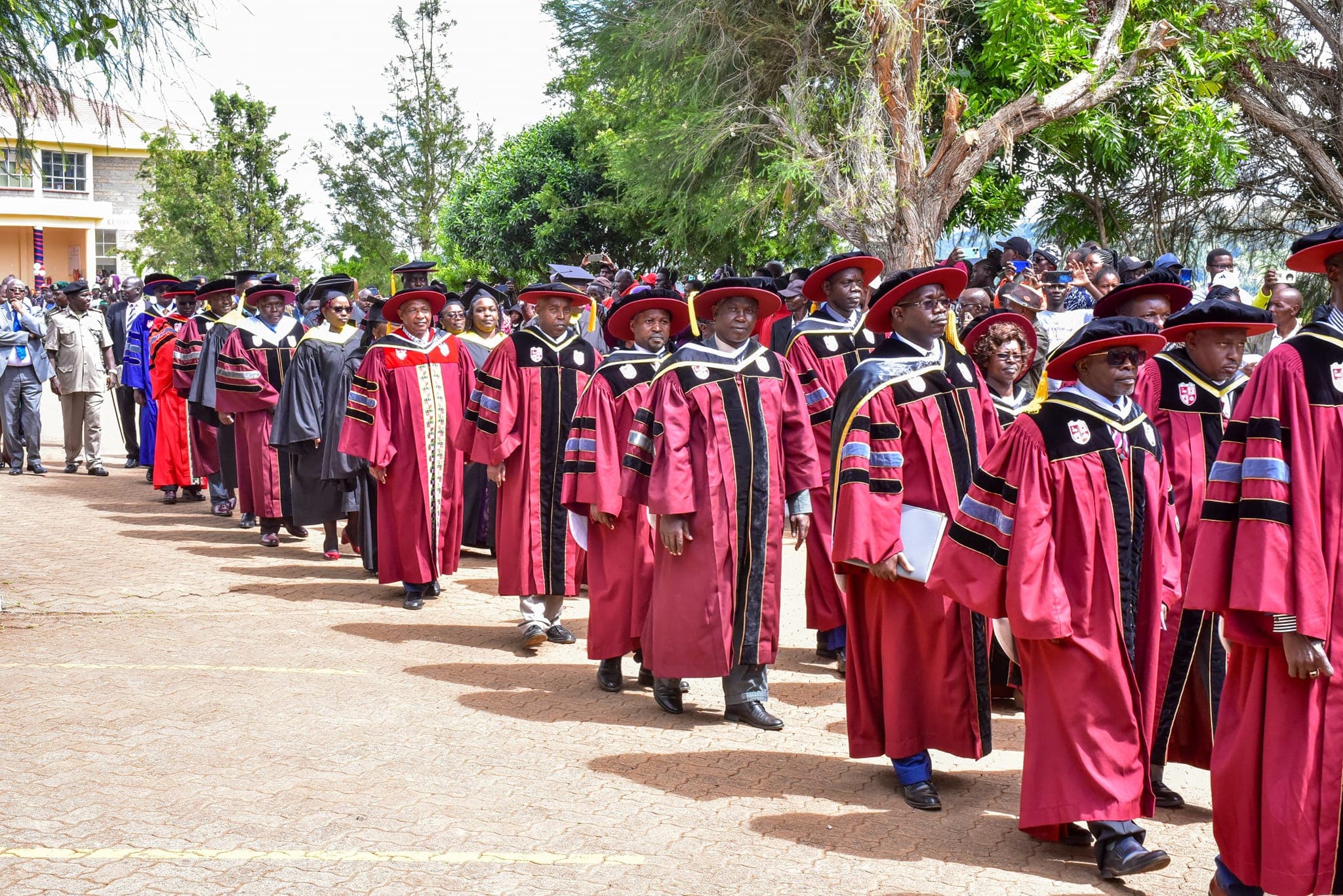
Students planning to pursue a Doctor of Philosophy (PhD) in Kenya in 2026 will need to meet university admission requirements, prepare a research proposal and obtain a research licence before undertaking research in the country.
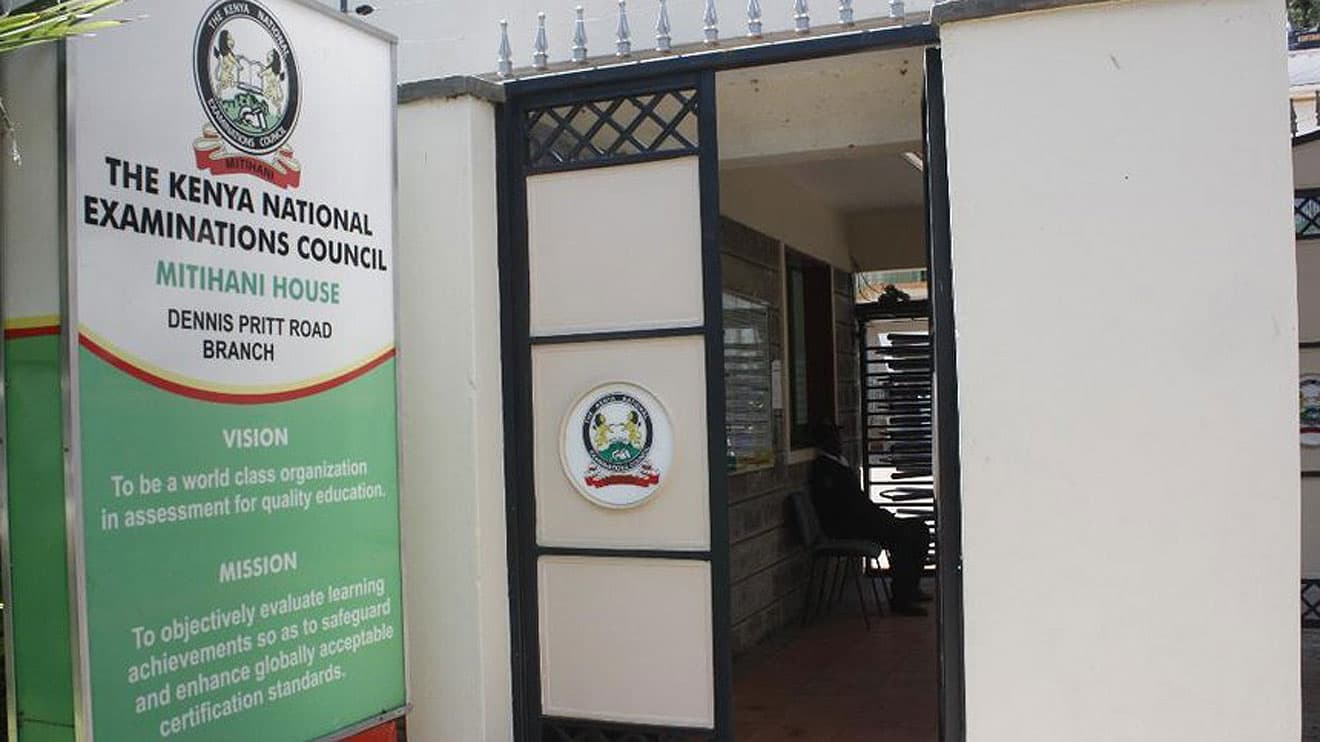
The process is also becoming more costly for researchers following a new fee schedule introduced by the National Commission for Science, Technology and Innovation (NACOSTI).
NACOSTI has announced that revised research licensing fees will take effect on October 1, 2026, affecting students, individual researchers, research institutions and companies conducting research in Kenya.
For East African Community citizens, the new fee for a PhD research licence will be Ksh10,000 under the standard application, while an expedited application will cost Ksh15,000.
The previous charge for PhD researchers was Ksh2,000, meaning the standard fee will increase fivefold.
The new charges apply to research licensing and are separate from university tuition and other costs associated with pursuing a doctoral degree.
Who Can Enrol for a PhD in Kenya?
The minimum national admission requirement for a doctoral programme is a relevant master’s degree.
The Commission for University Education (CUE) lists a relevant academic master’s degree as the minimum qualification for admission to a doctorate programme.
Individual universities and departments can, however, impose additional requirements depending on the course.
Some programmes require applicants to demonstrate previous research experience or provide evidence that they are capable of carrying out original academic research.
For example, the University of Nairobi’s PhD in Political Science and Public Administration requires applicants to hold a master’s degree from the university or another institution recognized by its Senate.
Applicants must also provide a concept note demonstrating their relevant disciplinary background and capacity to undertake original research.
Kenyatta University’s PhD in Higher Education similarly requires applicants to hold a relevant master’s degree and, for its thesis-only option, to have undertaken and passed research units at master’s level and demonstrated research ability through a previous thesis, dissertation or research project.
Applicants should therefore check the specific requirements of the university and PhD programme they intend to join before submitting an application.
How Long Does a PhD Take in Kenya?
A PhD generally takes at least three academic years, although the actual period can vary depending on the programme, university and mode of study.
CUE’s guidelines on recognition of doctorate qualifications require a doctoral qualification to involve a minimum of three academic years of study. The guidelines also indicate that research should constitute at least two-thirds of the programme structure.
Universities may allow students to take longer, particularly those studying part-time.
Kenyatta University, for example, states that some of its PhD programmes take three to four years for full-time students and four to six years for those studying part-time.
At the University of Nairobi, the PhD in Political Science and Public Administration is listed as a three-year programme, while its mode of study is by thesis.
The time taken to complete a doctorate can therefore depend on the research topic, supervision, data collection, analysis, thesis writing and examination process.
What a PhD Student Has to Do
Admission is only the beginning of the doctoral process.
At Kenyatta University, the published PhD process includes concept development, proposal writing, proposal defence, research and data analysis, thesis writing under supervision, submission of a notice of thesis submission, seminar presentation, examination and corrections before final submission and graduation.
The research component is particularly important because a PhD is intended to produce original research rather than simply involve classroom study.
Students normally develop a research topic, prepare a concept or proposal, obtain the required institutional approvals, conduct fieldwork or other research, analyse the findings and produce a thesis for examination.
Where the research involves human participants, personal information, biological materials or other sensitive areas, ethical approval may also be required.
NACOSTI states that applicants should obtain ethical approval from an accredited Institutional Scientific and Ethics Review Committee where ethical considerations arise.
New NACOSTI Research Licence Fees for PhD Students
The biggest change facing doctoral researchers from October 1, 2026 will be the cost of the NACOSTI research licence.
Under the revised schedule, citizens of an East African Community Partner State will pay Ksh10,000 for a standard PhD research licence.
Those seeking expedited review will pay Ksh15,000.
The revised fees apply according to the researcher’s category and nationality.
For EAC citizens, diploma researchers will pay Ksh1,000, while bachelor’s-level researchers will pay Ksh2,000. Postgraduate diploma researchers will pay Ksh3,000, master’s researchers Ksh6,000 and PhD researchers Ksh10,000.
Post-doctoral researchers and individuals will pay Ksh15,000, research institutions Ksh30,000 and companies Ksh50,000.
Expedited applications will attract higher charges, with PhD researchers paying Ksh15,000, post-doctoral researchers and individuals Ksh20,000, research institutions Ksh50,000 and companies Ksh70,000.
For researchers who are not citizens of EAC Partner States, NACOSTI has set the PhD research licence at USD500, rising to USD600 for expedited review.
The fee for post-doctoral, individual or non-academic researchers will be USD750, or USD850 for expedited review, while clinical trials will attract a USD1,000 licence fee.
NACOSTI has confirmed that the revised research licensing fees take effect on October 1, 2026.
Requirements to Apply for a NACOSTI Research Licence
A PhD student conducting research in Kenya must apply for a NACOSTI research licence through the commission’s online Research Information Management System.
The application requires documents including a passport photograph, identification document, an introductory letter from the relevant institution and an approved research proposal.
Depending on the research, applicants may also be required to submit ethical approval, a grant letter and other regulatory approvals.
Foreign researchers have an additional requirement to be affiliated with a relevant Kenyan institution capable of hosting, monitoring, evaluating and reporting on the research project.
NACOSTI says applications are submitted online and payments are made through the government e-Citizen platform.
The commission states that a research licence is valid for one year from the date it is issued.
Researchers whose projects extend beyond the licence period must apply for renewal and pay the applicable renewal fee. NACOSTI also requires licensed researchers to submit a hard copy and upload a soft copy of their final research report within one year of completing the research.
How Much Does a PhD Cost in Kenya?
There is no single national PhD fee because universities and programmes set their own charges.
The cost can also vary substantially between disciplines.
For example, Kenyatta University’s published information for its PhD in Philosophy lists full-time fees of Ksh244,800 per year for East African students, although applicants should confirm the current fee structure with the university before enrolling.
At the University of Nairobi, the PhD in Political Science and Public Administration is listed with a three-year duration and a published grand total of Ksh712,000 under the fee structure displayed by the department.
Other programmes can be considerably more expensive. The University of Nairobi’s PhD in Education, for example, lists a total of Ksh1 million across three years, including tuition and other charges shown on the programme’s fee schedule.
Clinical and specialized programmes cost even more.
Where Can You Study for a PhD in Kenya?
Kenya has universities offering doctoral programmes across areas including education, business, health, engineering, agriculture, social sciences, humanities, technology and other disciplines.
However, students should confirm that both the university and the specific programme are approved.
CUE maintains an official list of academic programmes offered by universities in Kenya, with its latest published list covering programmes approved as of July 31, 2026.
Prospective PhD students should therefore verify the accreditation status of the institution and the programme before paying fees or enrolling.
After completing the research, the doctoral candidate prepares and submits a thesis for examination.
Universities may require seminars, internal reviews, oral defence and corrections before the final thesis is accepted.
The exact procedure varies between institutions, but the process is intended to establish that the candidate has conducted original research and met the academic requirements for the doctoral degree.
For researchers licensed by NACOSTI, completion of the academic process does not remove the obligation to meet the commission’s reporting requirements. NACOSTI requires licensed researchers to submit their final research report within one year after completing the research.
Follow our WhatsApp Channel and X Account for real-time news updates.



Comments
No comments yet. Be the first to share your thoughts.