
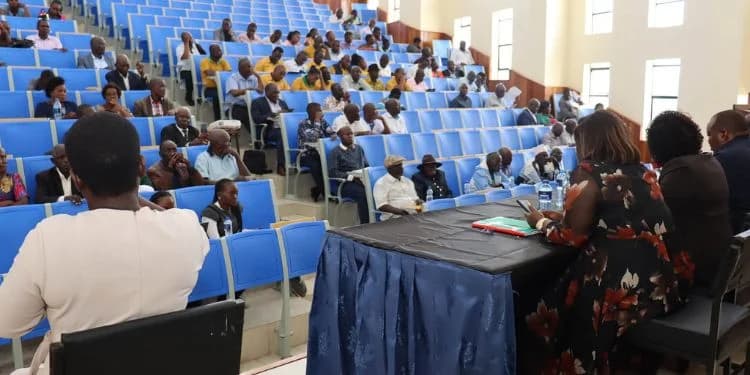
The National Assembly Education Committee has received proposals to change Junior Secondary School (JSS) management as it continues public participation on the proposed Education Reform Bills.
In submissions made in Kisumu and Homa Bay on Wednesday, September 16, 2026, education stakeholders called for clearer management structures, sustainable school funding and stronger teacher development programs.
“Kisumu and Homa Bay residents and education stakeholders have called for clearer management structures, sustainable financing and stronger teacher development programs as the National Assembly Education Committee continued public participation on the proposed Education Reform Bills,” the parliament confirmed in a statement.
KUPPET Pushes for Autonomous JSS as KNUT Seeks Changes to County Education Boards
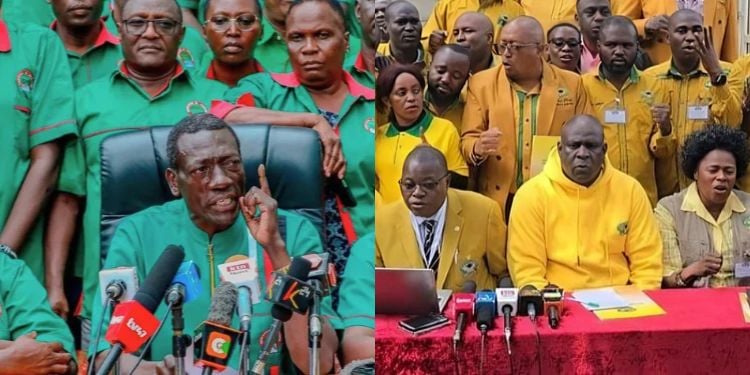
During the Committee delegation, the Kenya Union of Post Primary Education Teachers (KUPPET) called for JSS to be made autonomous, with their own administrative structures.
The union also urged the Committee to strengthen provisions protecting teachers and learners under the proposed reforms.
In both Kisumu and Homa Bay, KUPPET raised the need for greater clarity on how JSS would be managed within the proposed education governance framework.
The Kenya National Union of Teachers (KNUT) proposed changes to the composition of County Education Boards.
In Kisumu, the union called for a local educationist to replace the County Commissioner as board chair.
“Kenya National Union of Teachers (KNUT) proposed changes to the composition of County Education Boards, including replacing the County Commissioner as chair with a local educationist,” the parliament stated.
In Homa Bay, KNUT also called for fair remuneration and job security for teachers, increased capitation, and timely fund disbursement to schools.
Stakeholders Raise Funding Concerns
Other stakeholders called for changes to the proposed school funding framework.
The Elimu Yetu Coalition raised concerns that the proposed funding model could introduce cost-sharing and called for safeguards to protect free education.
Additionally, KESHA called for school funding to cover more than tuition and for capitation to be reviewed regularly to reflect prevailing costs.
Residents also called for improved school feeding programs, better quality control of learning materials and increased capitation.
“Residents called for improved school feeding programs, better quality control of learning materials and increased capitation, while others proposed a review of the Competency-Based Curriculum (CBC) to allow learners to pursue areas aligned with their interests.”
Committee to Consider Submissions
Other proposals included anchoring CEMASTEA in law as the national institution responsible for in-service teacher training and transforming KEMI into a Kenya School of Education.
Stakeholders also called for greater representation of TVET institutions in education governance structures and stronger parental participation in school management and policy.
The management of Junior Secondary Schools (JSS) has evolved through several proposals since the rollout of the new education system.
In January 2023, the Ministry of Education guidelines provided for JSS to operate within existing primary schools.
The guidelines gave JSS Management Committees special powers and responsibilities over financial matters, including operational decision-making, while the primary school headteacher remained the overall accounting officer.
In July 2023, the Presidential Working Party on Education Reform recommended hosting Grades 7 to 9 in existing primary schools.
The working party also proposed a comprehensive school model in which pre-primary, primary, and JSS sections would operate under one headteacher and one Board of Management.
Push for Greater JSS Autonomy
Between 2024 and 2025, KUPPET, KNUT and JSS teachers increasingly pushed for greater administrative and financial separation of JSS from primary schools.
In October 2025, KUPPET National Chair Omboko Milemba said the push for JSS autonomy could bear fruit.
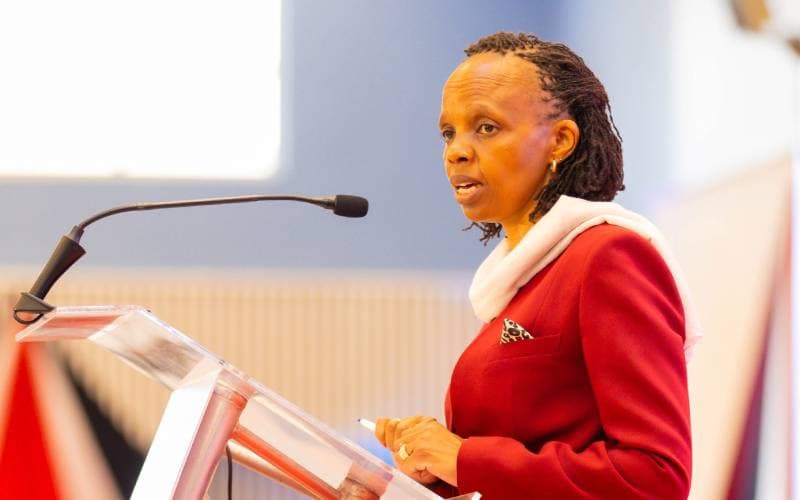
In early 2026, the Teachers Service Commission proposed an independent governance and administrative structure for JSS, including separate principals and deputy principals.
Education CS Julius Ogamba also said in March 2026 that proposals were at an advanced stage to make junior schools independent institutions, subject to parliamentary approval.
2026 Comprehensive School Model
At the National Conference on Education held in Naivasha from May 7 to 9, 2026, stakeholders endorsed a comprehensive school model.
Under the model, a primary school hosting JSS would be reconstituted as one comprehensive school with a single head of institution and one Board of Management.
The head would be supported by two deputies, with one responsible for the primary section and another for the JSS section.
The Naivasha resolutions therefore placed JSS within an integrated management structure, while providing separate leadership for the JSS section.
Follow our WhatsApp Channel and X Account for real-time news updates.

Comments
No comments yet. Be the first to share your thoughts.