
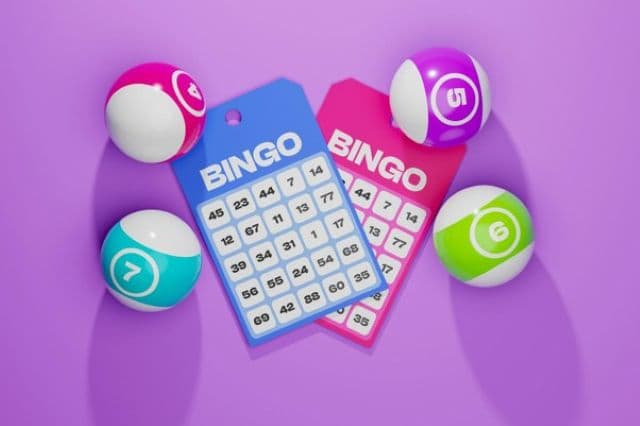
A number is announced, someone checks a grid, and a pattern begins to take shape. Bingo has a recognisable structure that can survive changes in its surroundings. The cards, presentation and pace may differ, but the relationship between called numbers and marked spaces gives the activity its identity.
That familiarity makes bingo an interesting subject within entertainment culture. Moving from a physical hall to a digital room involves more than replacing paper with a screen. It changes how information appears, how a round is followed and which parts of the experience remain shared. Comparing those formats reveals both continuity and variation.
The Number Grid Gives the Game Its Structure
The grid is the point where the player encounters the sequence of numbers. Each call becomes meaningful when it matches a space on the card, and those matches gradually form the required pattern. This creates a clear connection between an announcement and a visible change, allowing the game to be followed without a complicated narrative.
Different versions organise that process differently. Card layouts, number ranges and winning patterns can vary, so recognising the general idea does not remove the need to understand a particular game’s rules. A familiar format supplies a starting point, while the details determine what participants need to watch for. Those differences become easier to appreciate when the layout and instructions are considered together.
Digital Versions Keep Familiar Elements Visible
A digital format can retain the relationship between numbers and the grid while changing how it is presented. The UK platform Mr Q casino online lists both 75-ball and 90-ball bingo, alongside Slingo, which it describes as combining elements of bingo and slots. These provide distinct examples of number-based entertainment rather than a single format presented under several names.
The useful comparison concerns what each version asks the player to follow. A conventional bingo game centres on matching called numbers with a card and completing specified patterns. A hybrid introduces a different structure around some recognisable elements. Looking at the actual rules helps explain that relationship more clearly than assuming every game with a number grid works in the same way.
MrQ is a UK example in this discussion, rather than a statement about availability in other countries. The broader interest lies in the adaptation of a familiar game structure. A physical card can become an on-screen display, while the surrounding presentation acquires menus, status information and other features suited to the digital setting.
Following a Round Changes With the Format
In a hall, participants follow the caller while checking the information in front of them. The room gives the activity a shared rhythm, with announcements reaching the people gathered in the same place. Conversations and reactions happen within that setting, making the surroundings part of the experience as well as the game.
A digital version presents the round through the interface. The way numbers, card matches and results are displayed depends on the particular service, so the instructions remain important. Visual organisation becomes especially useful when several pieces of information share a small screen. The player needs to distinguish the current activity from navigation and account controls, keeping the game understandable without overcrowding the display.
Bingo Halls Have Also Been Social Spaces
The physical venue has long contributed to discussions about bingo. A hall provides somewhere to arrive, meet people and spend an evening, giving the activity a setting beyond the numbered card. That social role is part of its cultural interest, although individual venues and experiences naturally differ.
In a 1995 debate recorded by UK Parliament, a speaker described bingo clubs as places where people could meet, talk and eat alongside the game. This is a historical observation from the debate, rather than a description of every present-day venue. It offers a useful reminder that bingo’s appeal has been discussed in terms of the surrounding occasion as well as the activity itself.
A digital room creates a different environment and should be considered on its own terms. Any communication features need to be examined individually, because sharing an online game does not automatically reproduce the relationships or atmosphere of gathering in a hall. The comparison becomes more interesting when those differences are acknowledged.
Presentation Gives Each Version a Mood
The same basic activity can feel different depending on its presentation. Colours, typography and the arrangement of information establish the character of a digital game before a round develops. A restrained layout keeps attention close to the grid, while a more decorative treatment can give the surrounding space a stronger theme.
Presentation still needs to support the practical task. Numbers must remain distinguishable, relevant patterns should be understandable, and the status of the round should be clear. These are modest design choices, but they affect how comfortably the activity can be followed. A successful theme gives the format personality while preserving the information that makes it playable.
Hybrid Games Need Their Own Explanation
Slingo illustrates what happens when a recognisable structure becomes part of a different format. Its connection with bingo comes through the numbered grid and matching patterns, while slot elements change the way play proceeds. That combination creates a separate game with its own instructions, rather than simply reproducing a traditional bingo round.
Hybrid formats are interesting because they show how game ideas can be rearranged. Familiar features help people recognise part of the structure, but the new combination requires explanation. The most useful descriptions identify what has been retained and what has changed. This lets readers understand the creative adaptation without assuming that knowledge of one format is enough to understand another.
Familiarity Works Best With Clear Information
Recognising bingo’s basic structure can make a new presentation approachable, but the specific rules still matter. The required pattern, the way a round progresses and any conditions attached to participation should be clear before play begins. Where money is involved, the cost also needs to be understood as part of the entertainment decision.
This clarity supports the experience rather than taking attention away from it. A participant who understands the format can follow the activity with fewer unanswered questions. It also keeps the cultural appeal of bingo separate from assumptions about results, since a familiar grid or attractive presentation does not make an outcome predictable.
Different Settings Reveal Different Parts of the Game
Bingo’s movement between halls, digital rooms and hybrid formats shows how a recognisable activity can be reinterpreted. The grid and the matching process provide continuity, while presentation and setting change the experience around them. Each version brings different details into focus, from the caller’s shared rhythm to the organisation of information on a screen.
For readers interested in everyday entertainment, those differences offer more to discuss than whether one format is newer than another. Bingo can be examined through its rules, its visual presentation and the occasions built around it. Looking at all three gives a fuller picture of how a familiar game finds different forms.



Comments
No comments yet. Be the first to share your thoughts.