
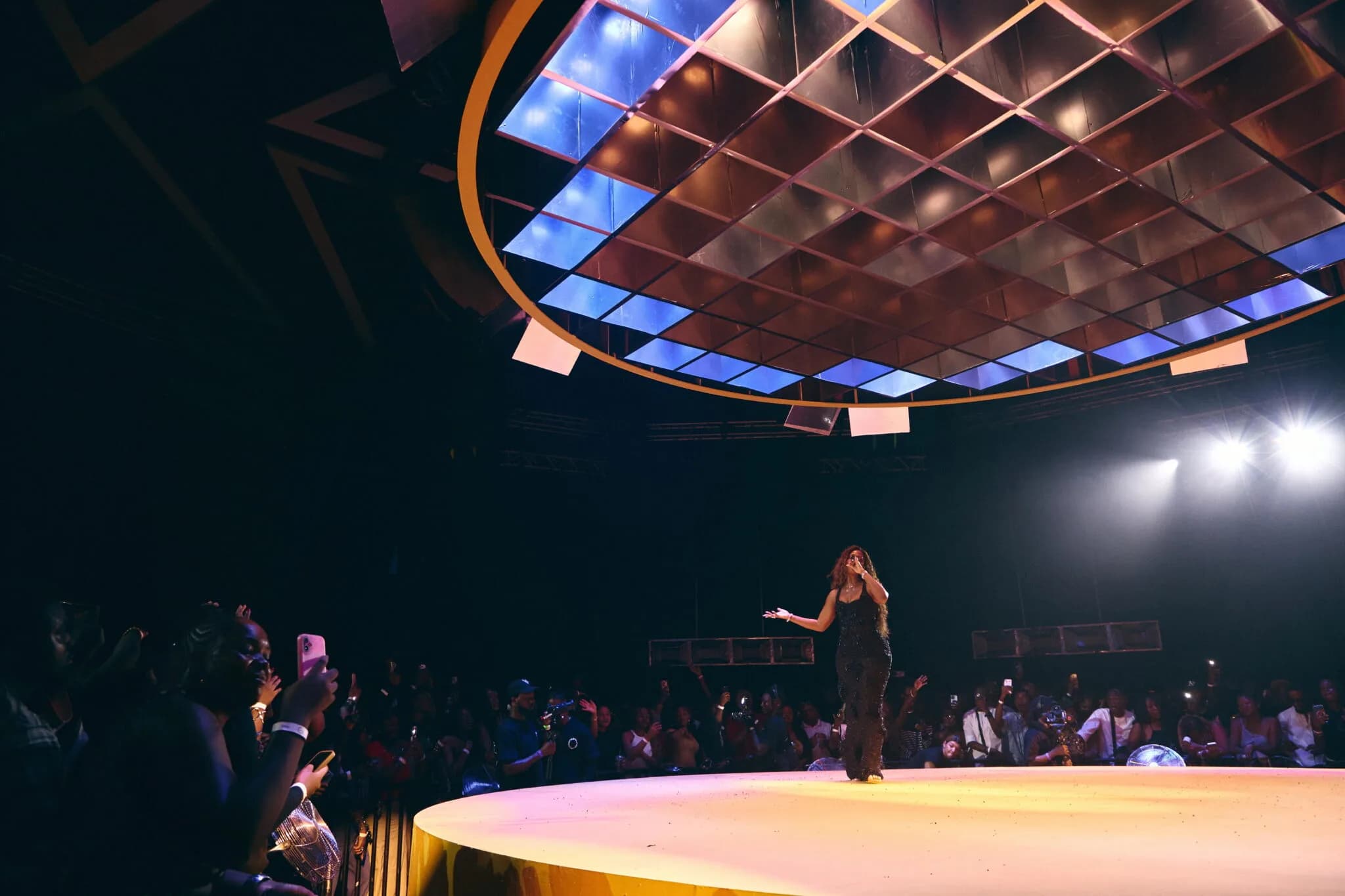
There is a distinct fatigue that comes with modern stadium tours—the pyrotechnics, the towering LED screens, and the physical distance that often turns an artist into a distant dot on a horizon. Spotify’s Surround Sound format, which took over Livespot in Lagos on September 25 and 26, completely inverted that script.
By pulling core listeners, key creators, and major culture journalists flown in from across Africa, Europe, and America into an ultra-intimate, in-the-round setup, Spotify engineered something rare: a live music experience that felt deeply personal, communal, and historic. More than just a showcase, the two-night event was a genius curatorial masterstroke, deliberately bridging two distinct eras of modern Nigerian pop history by pairing Tems and Runtown.
What underscored the cultural gravity of the event was Spotify’s decision to cast a truly global net for its room. By flying in prominent music journalists, critics, and digital creators from various African countries, Europe, and the United States, Spotify turned Lagos into a literal nexus point.
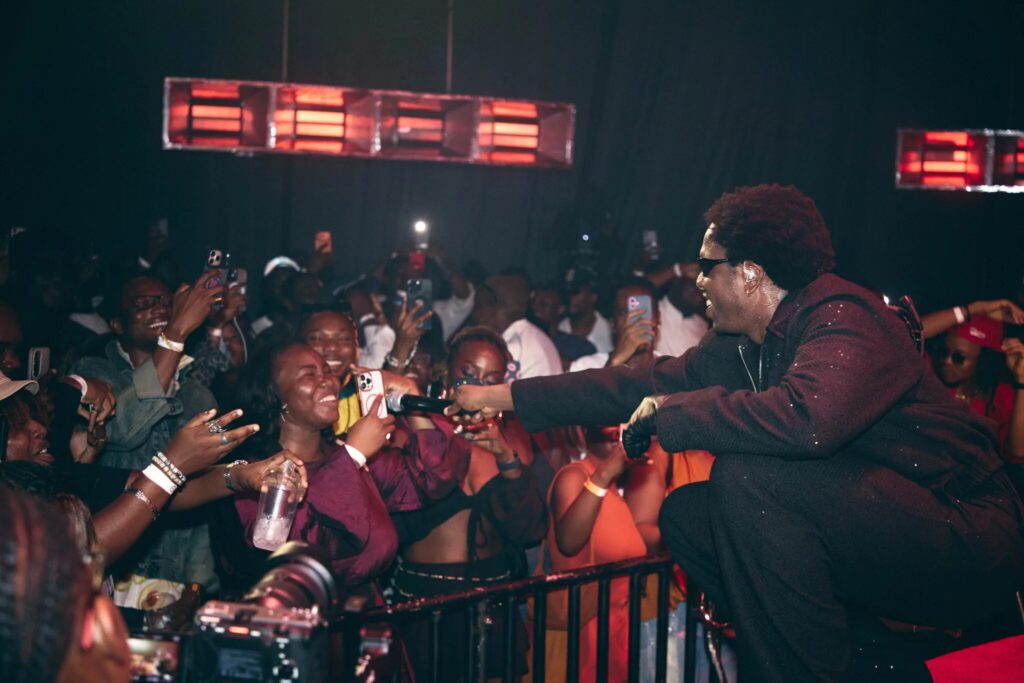

Instead of exporting Afrobeats exclusively through sanitised Western stages, Spotify brought the global tastemaker ecosystem straight to the source. Sitting shoulder-to-shoulder with die-hard local fans in Lagos, these international press and creators witnessed firsthand the living, breathing context of the music—proving that while these catalogues travel worldwide, their heartbeat remains entirely indigenous to the city that birthed them.
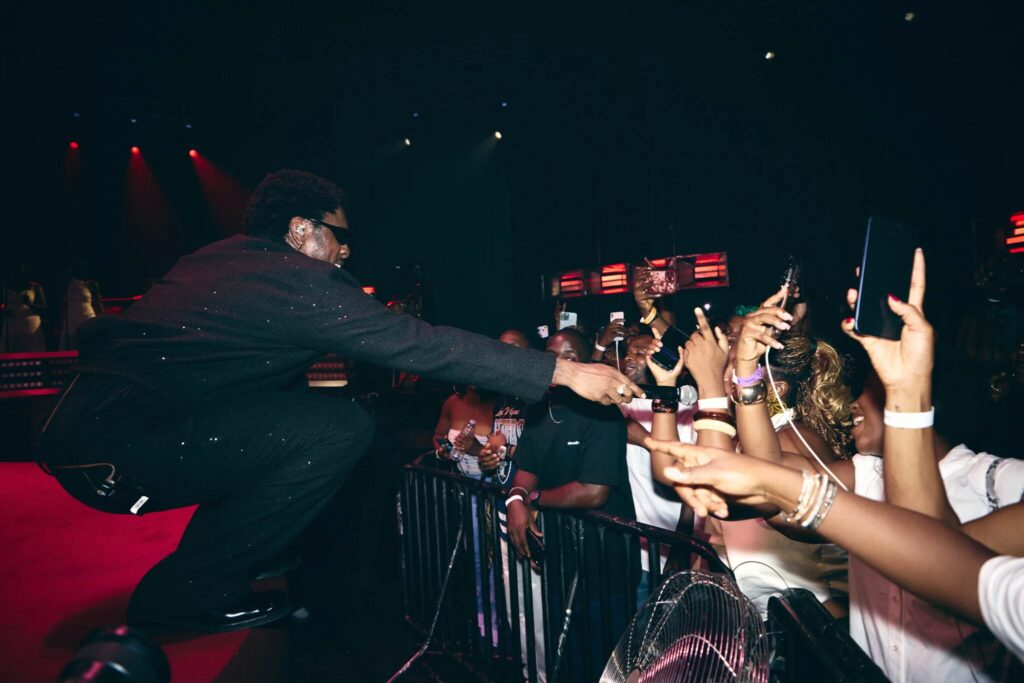
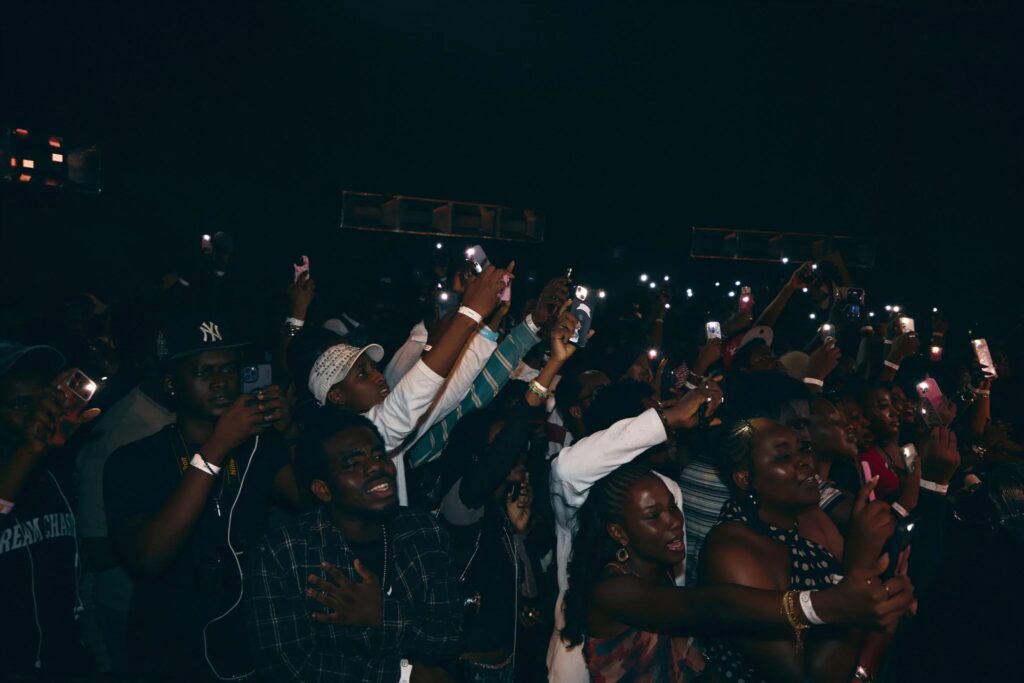
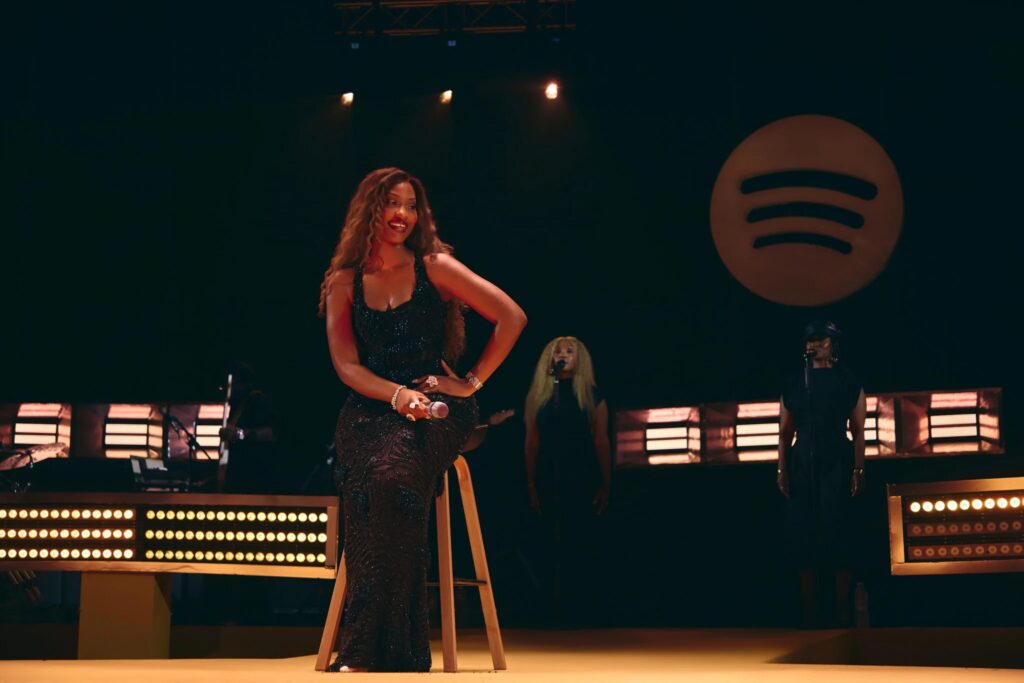
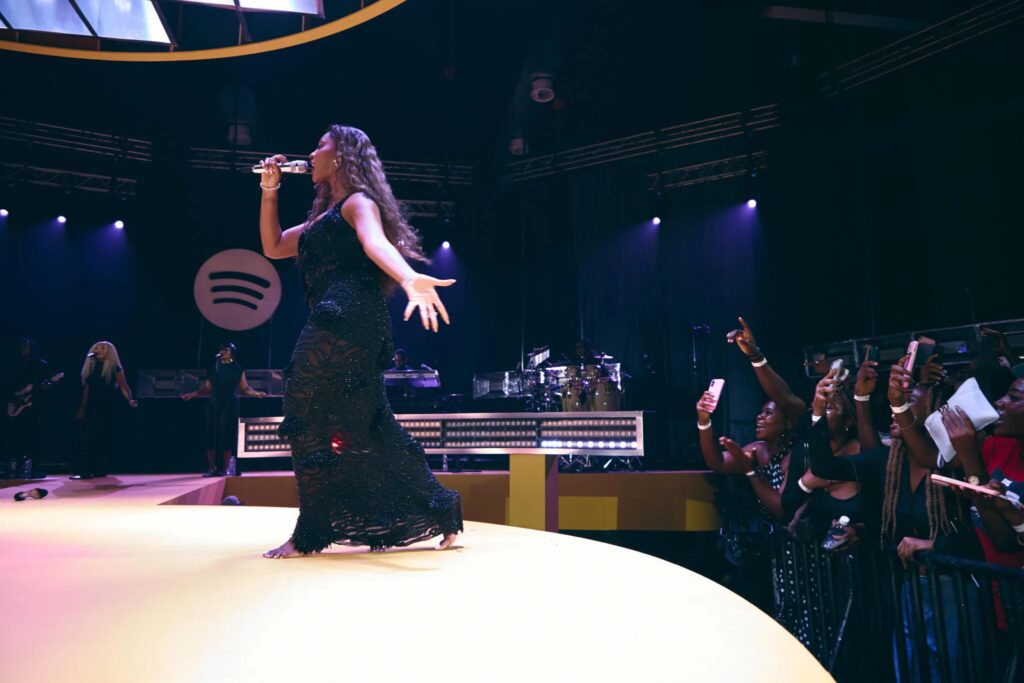
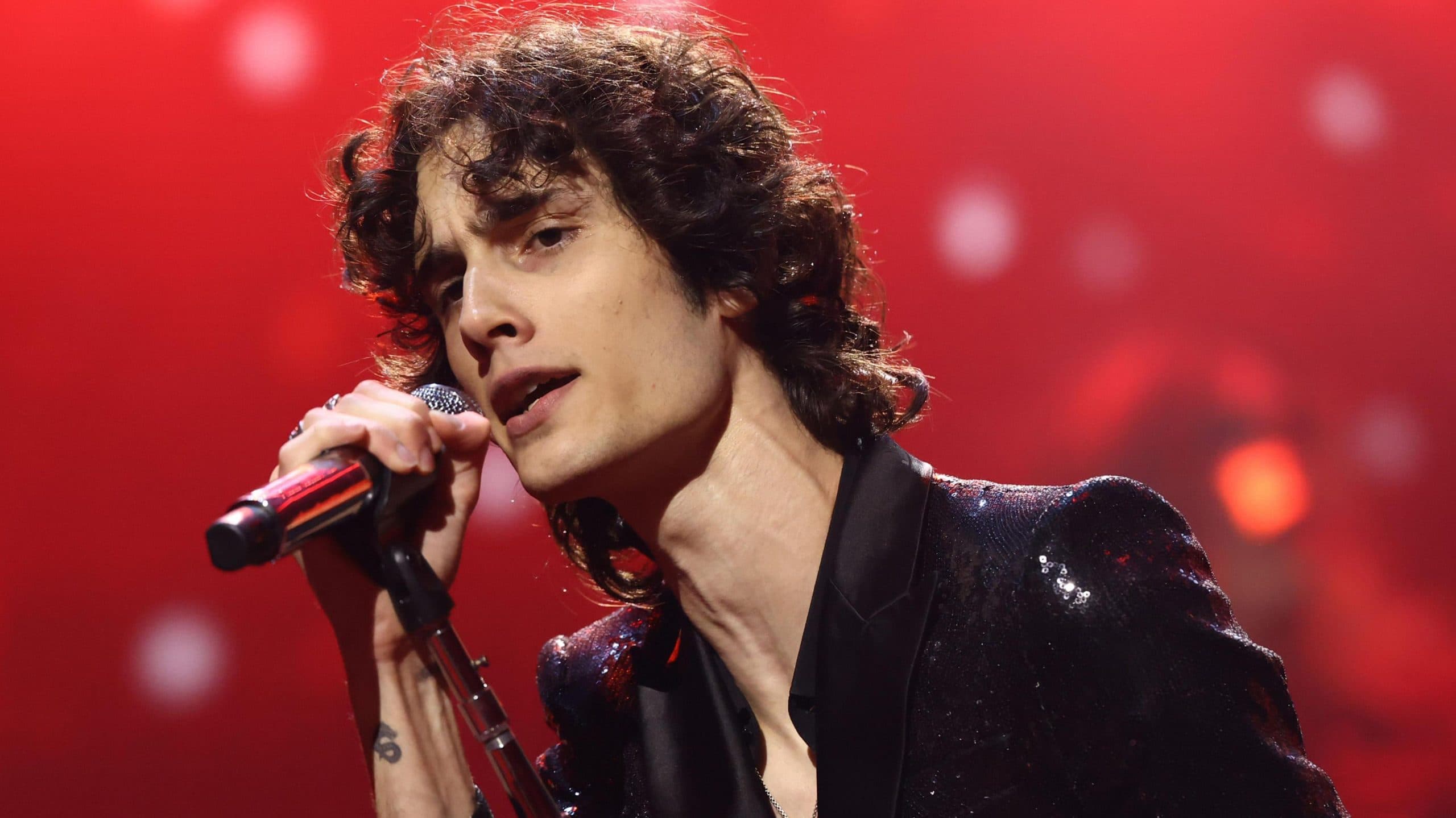
Night one belonged to Tems, representing the defining vanguard of Nigeria’s recent global alternative R&B and pop explosion. Set against the backdrop of the sixth anniversary of her seismic debut EP, For Broken Ears, the in-the-round format stripped away any barrier between her commanding presence and the room.
- The Setlist & Deep Cuts: Tems walked the audience through a timeline of her artistic evolution, performing early underground favorites and breakthrough records like “Mr Rebel” and “Try Me”, alongside cuts from her debut project including “Ice T” and “Damages”, before easing into global staples like “Love Me JeJe” and “What You Need”.
- The Crowd Connection: The energy in the room was electric yet tender. At multiple points—especially during an emotive reflection on making “Free Mind” on her laptop in her bedroom—Tems let the crowd completely take over the vocal weight, turning the venue into a massive, unified choir.
- The Statement: Addressing recurring internet chatter about her being “too international” or detached from home, Tems cut straight to the core with a powerful homecoming declaration: “People say I’m outside. No. I was born and raised here. This is where I started. This is where I began.”
If night one was an introspective look at alternative R&B royalty, night two shifted the temperature entirely, serving as a masterclass in the mid-2010s pan-continental blueprint that paved the way for modern Afrobeats global expansion. Marking a massive milestone for his live execution, Runtown took the stage backed by a full live band—a rare feat for him over the past decade.
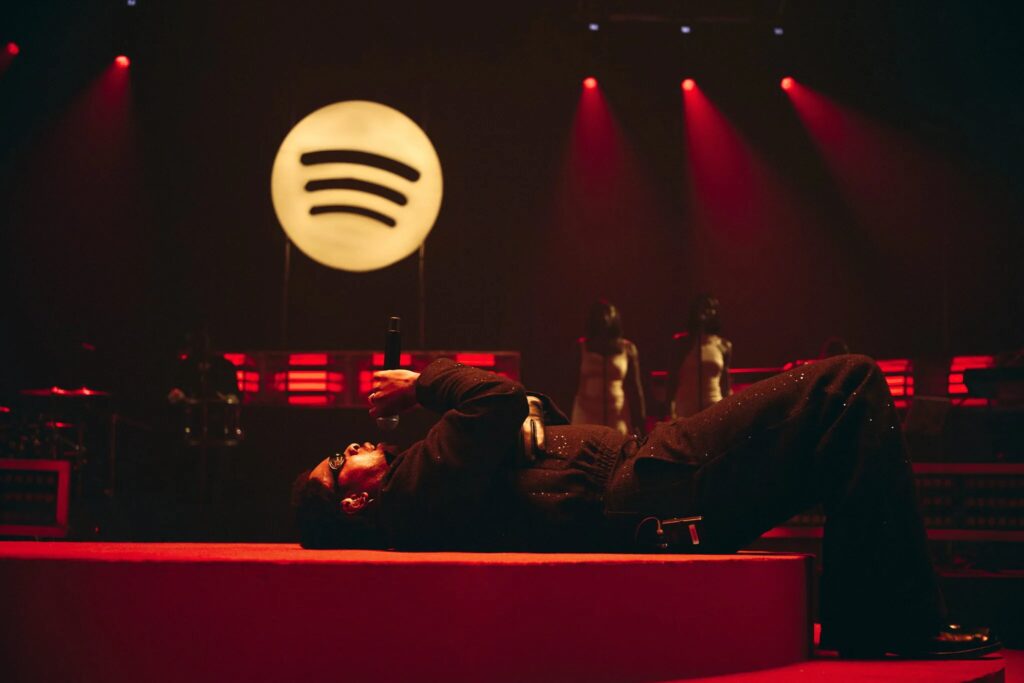
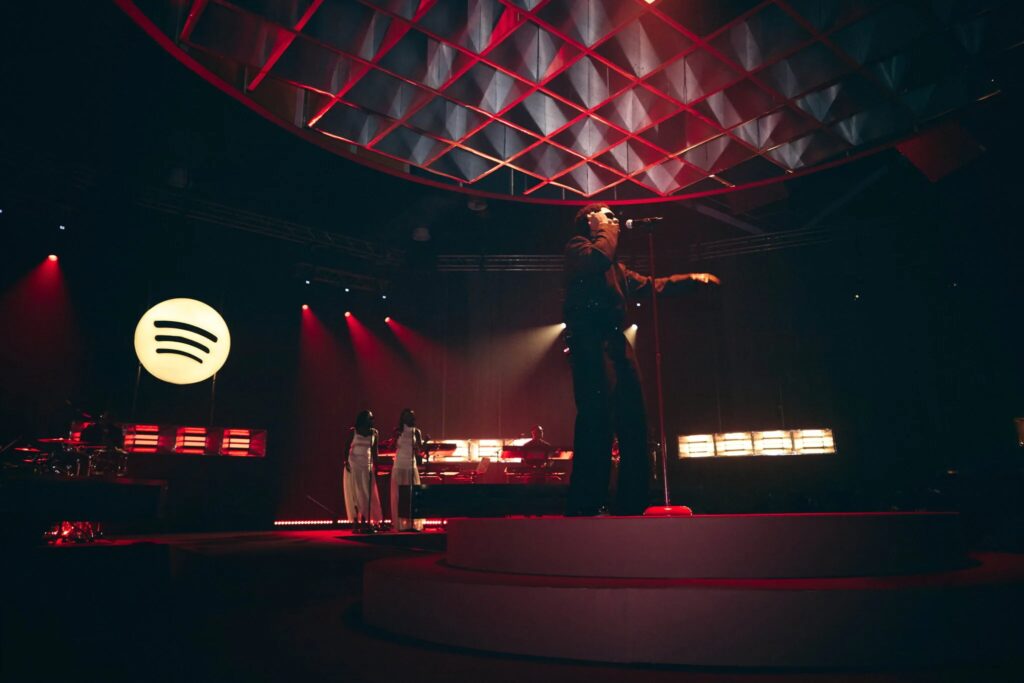
- The Setlist & Hit Parade: From the moment he opened with massive cross-border anthems like “Lagos to Kampala” and “Gallardo”, the nostalgia was palpable. He marched through an unstoppable streak of career-defining hits, including “For Life”, “International Badman Killa”, “Unleash”, and “Kini Issue”.
- The Peak Moment: The undisputed apex of the night arrived with “Mad Over You”. The track, which remains permanently embedded in the DNA of African pop culture, sent the crowd into a frenzy. The communal sing-along was so deafening and emotionally charged that Runtown paused, flashed a wide smile, and looped right back to perform the hook a second time to close the curtains.PM News Nigeria
- The Reception: The room hung on his every word, proving that foundational hits do not decay with time; in an intimate space, they only gain heavier emotional weight.
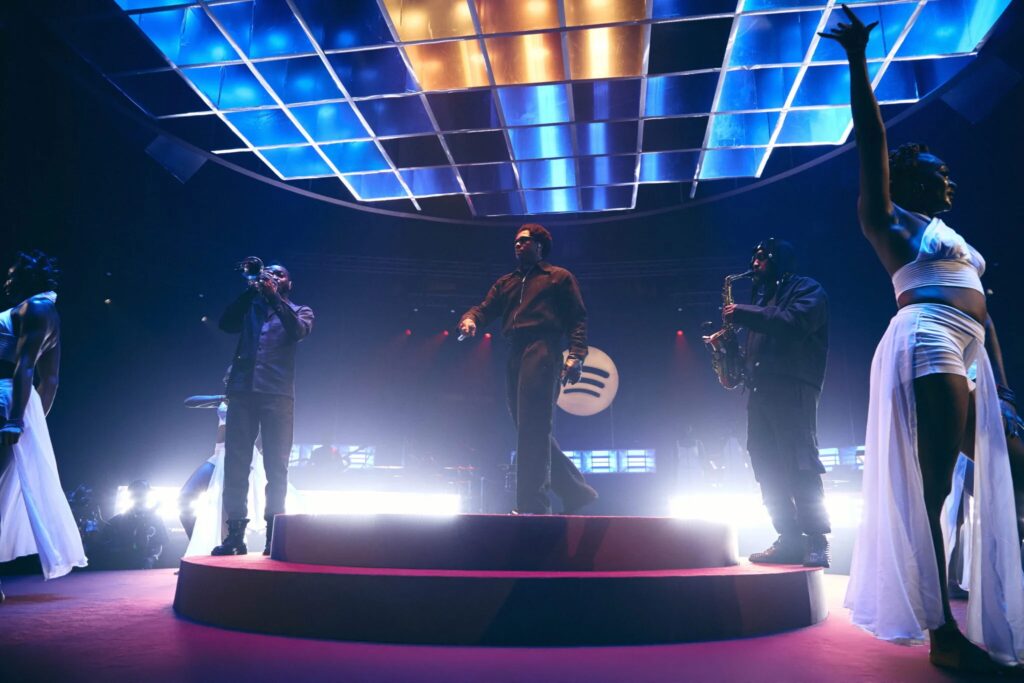
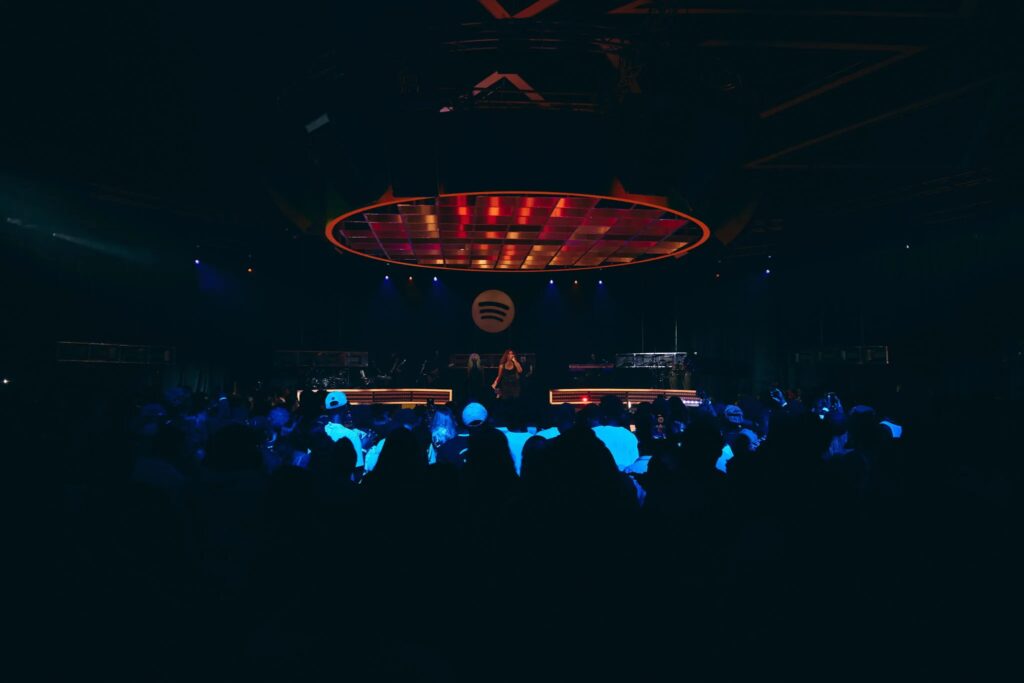
By placing Tems and Runtown at the center of the room, Spotify didn’t just stage two great concerts—they captured living music films designed to let these specific Lagos moments travel globally without losing their localized soul. For everyone lucky enough to be packed into Livespot, it was a reminder that the best way to understand the future of African music is to sit close enough to feel where it started.
Comments
No comments yet. Be the first to share your thoughts.