
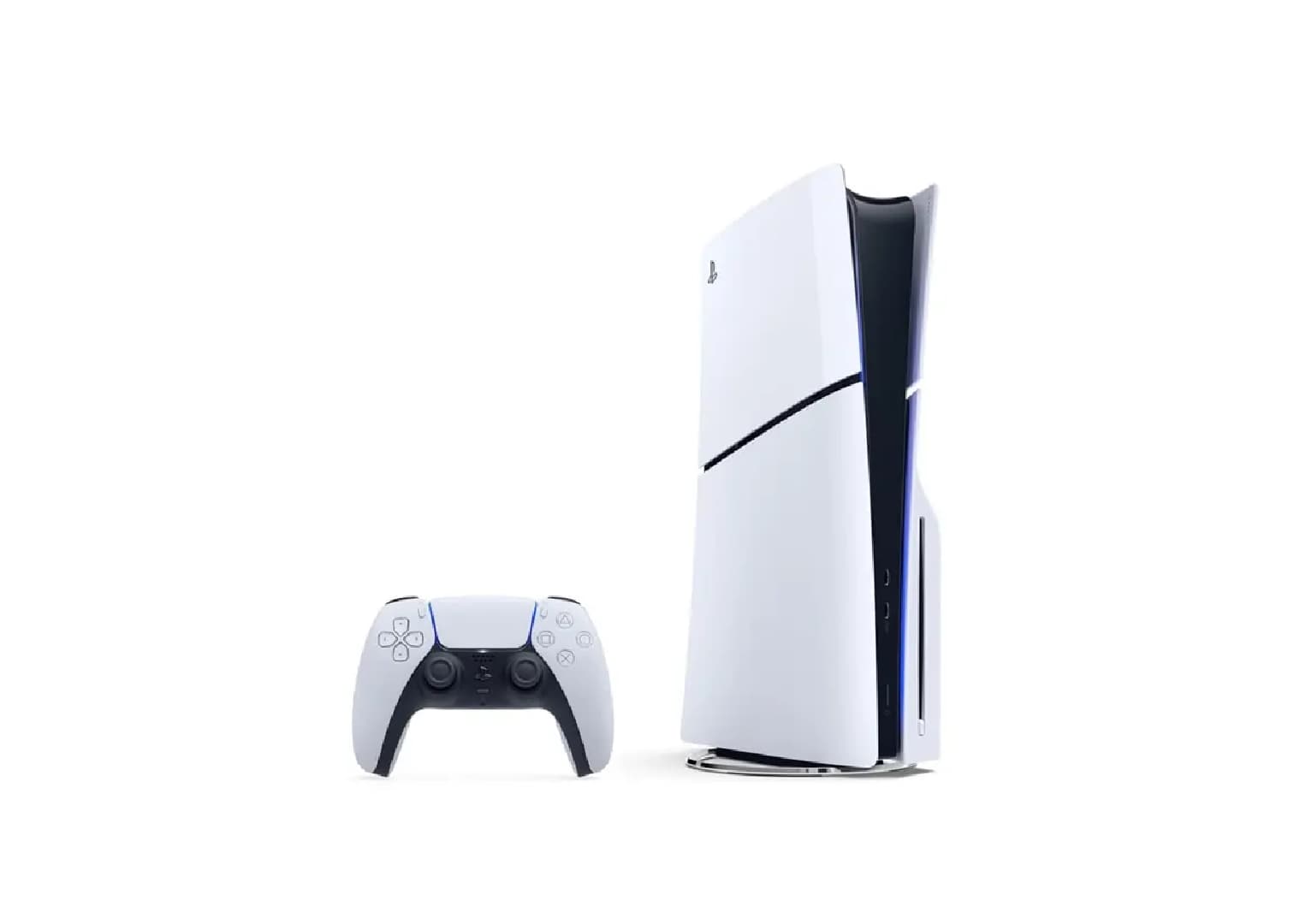
Sony has told a California court that PlayStation players never actually owned the digital games they paid for. The claim comes at an awkward time for the company as it prepares to move away from physical discs.
The case traces back to June, when four customers filed a class action accusing Sony of failing to disclose that digital purchases are licenses rather than sales, as required under California’s 2025 Digital Goods Law.
The plaintiffs argue that buttons reading “Buy Now” and “Confirm Purchase,” paired with fine print most people skip past, create a false impression of ownership.
Sony’s response was that no reasonable consumer could believe they were getting true ownership, since the same title can be sold to countless buyers from the same store shelf.
The company pointed to its Software Product License Agreement, which states that its software is licensed rather than sold.
It used Resident Evil Requiem as an example, noting that different customers can buy access to the same digital copy on different dates.
This comes after Sony confirmed in July that it will stop producing physical discs for new PlayStation games from January 2028, ending resale, lending, and trading as gamers have known it.
That announcement has already triggered backlash, and now Sony has informed the judge that ownership was never part of the agreement, even in digital form.
None of this licensing argument is unique to Sony. Steam, GOG, and most digital storefronts run on the same model, buried in terms of service that nobody reads.
This isn’t Sony’s only legal headache over the Store, either. A separate, older case, Caccuri v. Sony Interactive Entertainment, is heading toward its payout.
Filed in 2021, it accused Sony of cutting retailers like Amazon, GameStop, and Walmart out of selling PlayStation vouchers, forcing digital purchases through Sony’s own store and inflating prices without competition.
The 2021 antitrust case finally moved toward a resolution when Sony agreed to pay $7.85 million. However, a judge rejected the deal in 2025 because some of its terms were unclear. A revised settlement was approved in April 2026, with a final hearing scheduled for October 15.
Sony continues to deny any wrongdoing. The payouts will be credited to PSN wallets rather than paid in cash, and will likely be modest after legal fees.
The case is also part of a wider dispute over PlayStation Store pricing, with Sony facing a separate £2 billion claim in the UK over alleged excessive prices.
What changes the optics is the disc decision. A company can rely on licensing language while physical media still exists as a fallback for people who want something they can hold or resell.
Take that fallback away, and the license-not-sale argument stops sounding like a technicality and starts sounding like the whole deal.
Whether Sony wins in court is separate from whether it wins with players. Gamers have endured the distinction between “buy” and “own” for years, as physical alternatives mitigated the impact.
With that safety net gone, and a pricing settlement and UK monopoly case still hanging over the store, Sony risks confirming exactly what critics have accused it of: treating customers as subscribers to a library it still fully controls.


Comments
No comments yet. Be the first to share your thoughts.