
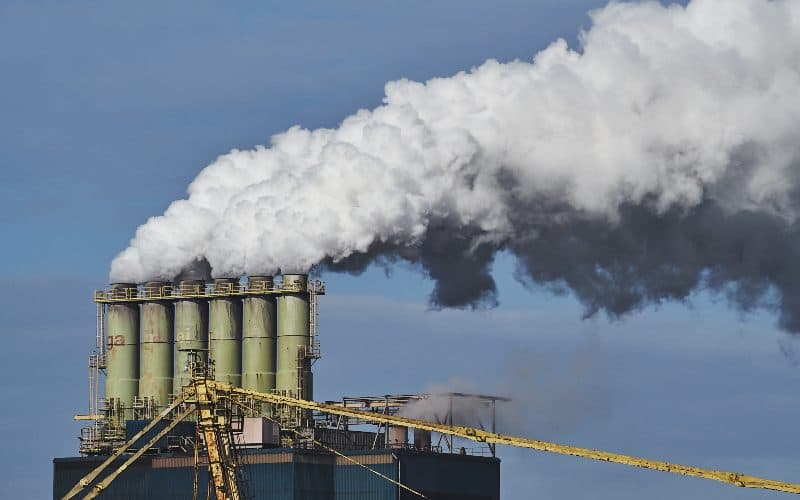
UN warns world is falling short of global emission goals

According to the report, global greenhouse gas emissions must fall by 18 per cent by 2030, 45 per cent by 2035 and 69 per cent by 2040 to give the world a chance of returning to the 1.5°C limit by the end of the century.
The world could warm by 2.8°C this century if governments maintain their current climate policies, putting the planet on course for more severe heatwaves, floods and wildfires, a new United Nations Environment Programme (UNEP) report has warned.
The Emissions Gap Report 2026: The Point of Return examines the gap between countries' efforts to tackle climate change and the much deeper cuts needed to limit global warming. It found that even if countries fulfil their existing climate pledges, global temperatures are projected to rise by 2.6°C this century, far above the internationally agreed goal of limiting warming to 1.5°C above pre-industrial levels.
According to the report, global greenhouse gas emissions must fall by 18 per cent by 2030, 45 per cent by 2035 and 69 per cent by 2040 to give the world a chance of returning to the 1.5°C limit by the end of the century.
However, current climate pledges by countries would only reduce emissions by five per cent to eight per cent by 2030 and 11 per cent to 15 per cent by 2035, leaving a wide gap between the action governments have promised and what is needed to limit warming.
According to UNEP Executive Director Inger Andersen, every subsequent rise in temperatures would increase the risks posed by extreme weather events.
“Every additional fraction of a degree and additional year of warming above 1.5°C increases climate impacts and risks, such as the deadly floods, heatwaves and wildfires that have plagued many nations this year,” Andersen said.
Latest Stories
- Coach Patrick Nyale prepares Kenya U-15 for new FIFA challenge
- Ganze MP Tungule threatens to mobilise team to kill elephants as residents face rising human-wildlife conflict
- EACC recovers Sh207.7 million from former Trans Nzoia County accountant
- Police nab cocaine trafficking suspect at Malaba border post
Despite the widening gap, the report says limiting the extent of warming remains possible if countries act quickly to reduce emissions. It examines a scenario in which temperatures rise above 1.5°C before falling back to that level or lower by 2100, although the chances of achieving this are uncertain.
According to UN Secretary-General António Guterres, governments must not give up on efforts to bring temperatures back down.
“Overshoot is not surrender. We can still keep it as small and as short as possible – and bring temperatures back below 1.5 degrees by the end of the century,” Guterres said.
The report points to the growth of renewable energy since the adoption of the Paris Agreement as evidence that faster progress is possible. Solar power, in particular, has expanded much faster than previously anticipated, while climate policies have helped reduce emissions in some countries and industries.
However, UNEP says these gains must be expanded and sustained, with governments stepping up efforts to reduce dependence on coal, oil and gas and cut emissions from other sources.



Comments
No comments yet. Be the first to share your thoughts.