
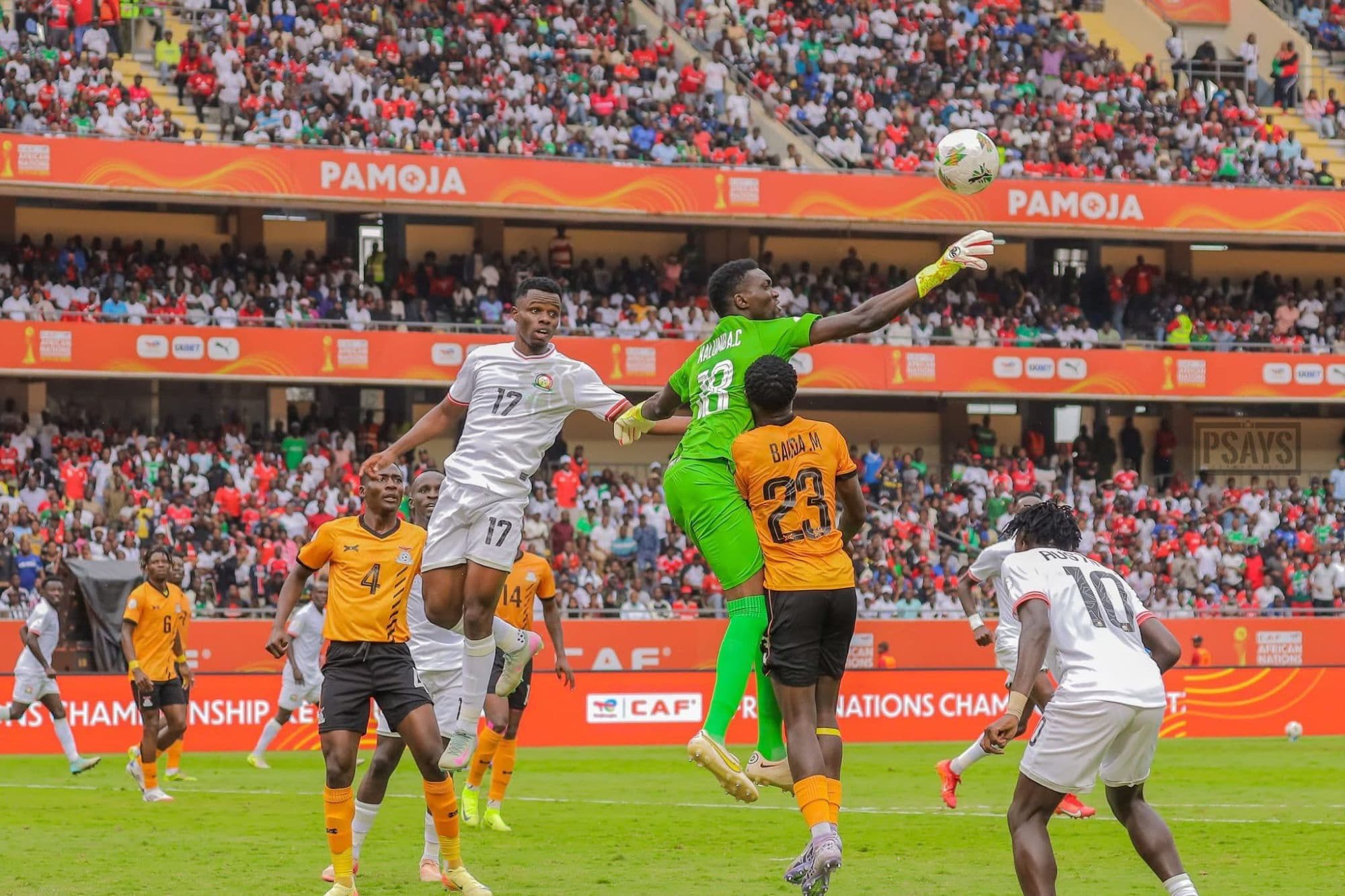
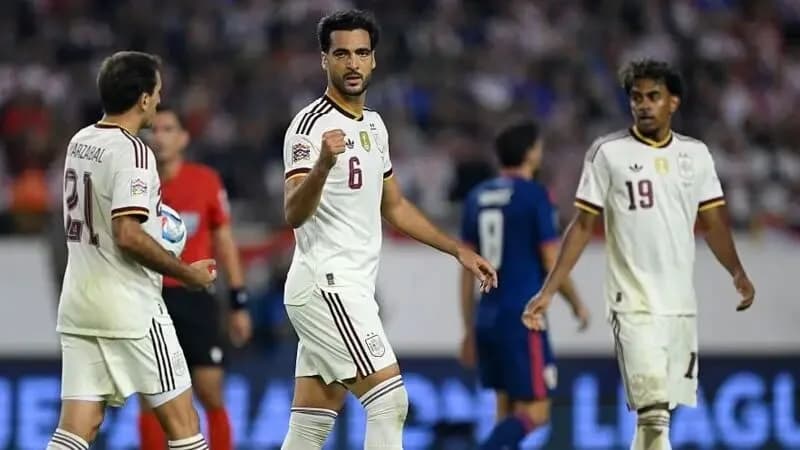
When President William Ruto announced that European heavyweights Bayern Munich and Ajax Amsterdam would inaugurate Nairobi’s newly built Raila Odinga International Stadium on January 5, 2027, the fanfare was deafening.
State communications celebrated a “historic” milestone for Kenyan football. Yet behind the gloss of European royalty gracing Kenyan soil lies a stinging reality: a monumental misplacement of national resources, a disregard for local athletic talent, and an uncomfortable glimpse into political theatrics masquerading as sports development.
The financial hit alone lays bare the contradiction.
Securing elite European clubs for exhibition games demands astronomical appearance fees. Bayern Munich typically commands upwards of €5 million (around KSh 700 million), while Dutch giants Ajax demand at least €2 million (around KSh 280 million). Add chartered flights, five-star logistics, security details, and insurance, and Kenyan taxpayers are staring at a bill exceeding KSh 1.1 billion for a single 90-minute friendly match.
Compare that lavish expenditure with the treatment meted out to Kenya’s own sporting ambassadors.
Only weeks ago, Harambee Stars players were forced into a humiliating training strike because the sports ministry withheld a mere KSh 6.24 million in allowances and camp funding. Men representing the national badge had to lay down their boots over petty cash that would barely cover Bayern’s matchday laundry bill.
The neglect is not confined to football. Across disciplines, Kenyan athletes face an uphill battle against systemic abandonment. Skater Kevin Kiarie, who has repeatedly carried Kenya’s flag abroad on sheer grit, was recently forced to publicly challenge the Ministry of Sports over broken promises and lack of logistical support, ultimately missing the World Skate Games after officials failed to process basic travel facilitation. Similar stories echo across boxing rings, athletics tracks, and swimming pools nationwide: world-class Kenyan talent begging for basic transport and accommodation, only to be told state coffers are dry.
Yet when it comes to flying in multimillion-euro foreigners, public funds suddenly materialize with frictionless ease.
Beyond the lopsided economics lies a troubling philosophical question: what kind of sovereignty is Kenya practicing?
The completion of a 60,000-seat national stadium, built with Kenyan taxes on Kenyan soil ahead of AFCON 2027, ought to be a monument to Kenyan resilience, self-determination, and pride. Handing its inaugural grass over to two European powerhouses reduces the country to an exotic backdrop for European winter-break training.
If state officials genuinely wanted to honor the national sporting spirit, the opening fixture would have centered our own teams. A duel between Harambee Stars and a heavyweight African rival, whether continental kings Senegal, regional neighbours Uganda, or Morocco, would have ignited genuine Pan-African rivalry and offered vital competitive preparation ahead of AFCON. Even better, granting the spotlight to the trailblazing Harambee Starlets or the Junior Starlets would have provided the definitive vote of confidence women’s football desperately deserves.
Instead, the pitch will belong to players whose names dominate European leagues, while Kenyan players watch from the stands as spectators in their own home.
Ultimately, the spectacle smells distinctly of an orchestrated campaign stunt. With the 2027 general elections on the horizon, high-profile mega-events serve as prime photo opportunities. Ribbon-cuttings alongside Champions League stars offer slick PR reels to distract a disillusioned public from rising living costs, youth unemployment, and neglected local infrastructure.
A state that cannot pay its national team a few million shillings has no moral standing to bankroll European clubs with billions. A stadium is not legitimized by the fame of the foreigners who cut its grass, but by the dignity it affords the citizens who paid for it. Until Kenya learns to value its own athletes at home, importing foreign glamour will remain an expensive mask over institutional neglect.

Comments
No comments yet. Be the first to share your thoughts.