
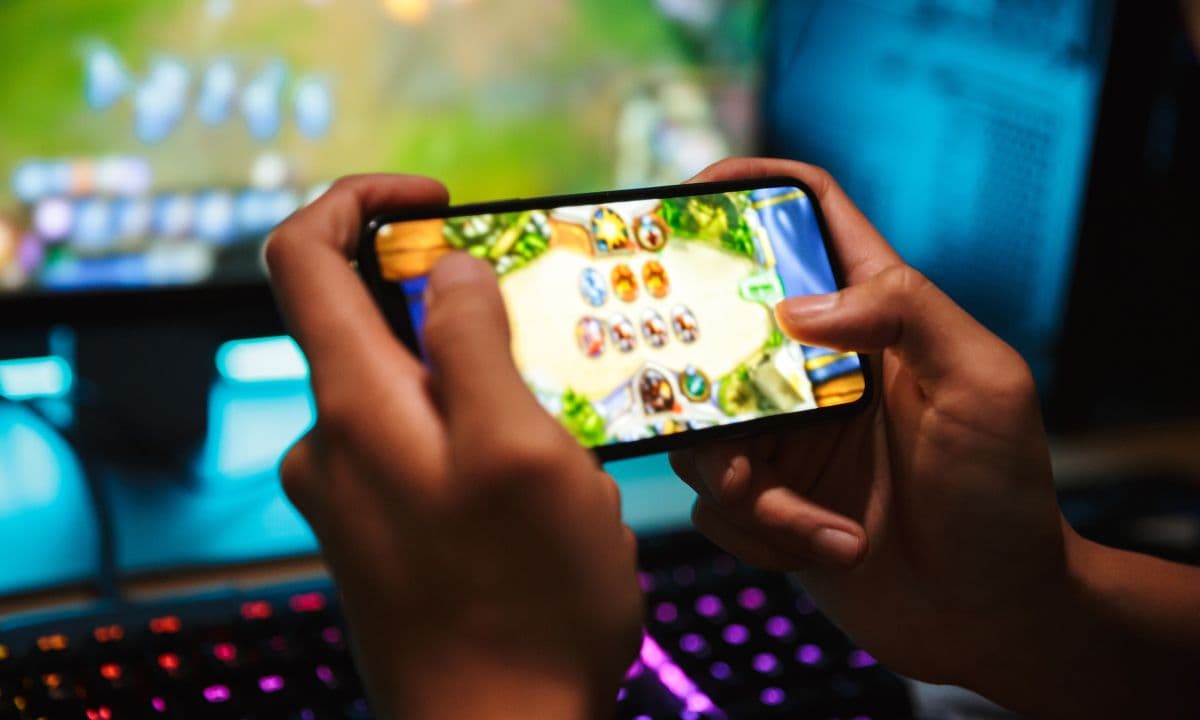
I’ve been watching how people use their phones in Ghana over the past couple of years, and something shifted in a way I didn’t see coming. We went from basic feature phones to smartphones pretty fast, and everyone’s got some app they check constantly now.
You see it everywhere. Someone waiting for a tro-tro, scrolling through their screen. Your coworker during lunch break, tapping away instead of talking. Even my uncle who’s 58 and swore he’d never get a smartphone now spends his evenings glued to his screen.
What really accelerated this shift was the drop in mobile data costs back in 2019. Before that, you’d pay about GH₵15 for maybe 500MB. Now you can get 5GB for roughly the same price. That changes everything when you’re trying to stay connected.
After talking to 30+ different people over the last year, I noticed people aren’t downloading stuff randomly anymore. They’re pretty selective because phone storage fills up fast and data costs still matter.
So what makes the cut? Banking apps definitely. Mobile money apps like MTN MoMo and AirtelTigo Money became essential overnight. WhatsApp obviously, because that’s how we communicate now instead of SMS. And increasingly, entertainment apps, including betting apps, let you place predictions on football matches or other sporting events.
I wasn’t expecting that last category to grow so fast. But when I asked around at various places in Accra and Kumasi, people told me it made sense. You’re already watching the match at the local spot with your friends; why not make it more interesting?
My cousin works at a bank in Accra, and she told me something that stuck with me. Five years ago, their branch would be packed on Fridays with people queuing to conduct transactions, sometimes waiting 47 minutes just to reach a teller. Now? Maybe 40% of that traffic shows up physically. Everyone just uses apps from their couch.
The same thing happened when shopping for basic stuff. Buying airtime meant finding a vendor, walking to their stand, hoping they had your network available. Now I can’t remember the last time I physically bought credit from someone on the street.
Beyond convenience, these apps created new behaviours we didn’t have before. People check sports scores in real-time while sitting in traffic. They compare odds across different platforms during their lunch break. They discuss strategies in WhatsApp groups dedicated entirely to weekend match predictions.
Apps became social spaces in ways I didn’t predict. That’s the part that surprised me most.
I joined this group chat where about 23 people discuss their weekend predictions every Thursday evening. People from different backgrounds who wouldn’t normally hang out together. A teacher from Tema, students at Legon, a guy who runs a chop bar near Kwame Nkrumah Circle, someone who works in tech at a startup. The app culture brought them together around shared interests.
It’s not just about the activity itself or winning money. People share tips they learned from experience, warn each other about mistakes, and celebrate wins together like they’re family. Someone won GH₵340 last month and bought drinks for half the group when they met up at a spot in Osu.
You can’t tell me that’s not community building through technology.
The apps that succeed here aren’t the flashiest ones with animations and fancy graphics. They’re the ones that work on cheaper phones, don’t drain battery too fast, and actually solve something people care about. I’ve seen fancy apps with great design fail completely because they assumed everyone had an iPhone 14 and an unlimited data plan.
But the simple, functional ones? Those stick around and actually change how we spend our time day after day.
DISCLAIMER: This article is sponsored and does not substitute for professional advice or help. Any action you take based on the information presented in this article is strictly at your own risk and responsibility.
Comments
No comments yet. Be the first to share your thoughts.