
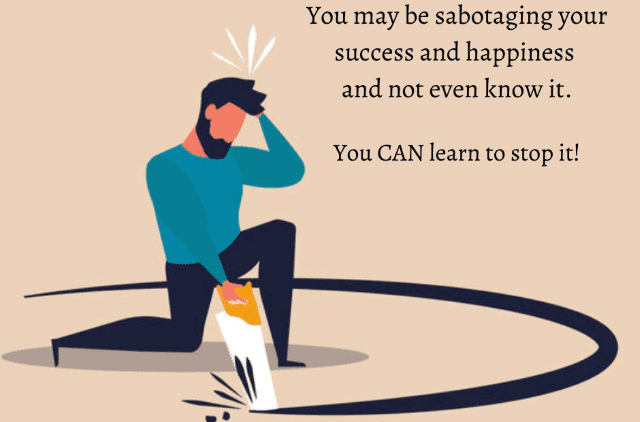
Have you ever set a goal, made a plan, and felt excited about the possibilities, only to find yourself doing things that undermine your progress? Perhaps you procrastinate on an important project, talk yourself out of an opportunity, spend money impulsively despite your savings goals, or abandon something because you fear you won’t be good enough.
This is often described as self-sabotage: patterns of thinking and behaviour that interfere with your own goals, relationships or well-being.
The solution isn’t simply to tell yourself to try harder. Psychologists and behavioural experts recommend approaches that help you understand your triggers, challenge unhelpful beliefs, manage uncomfortable emotions and develop more constructive habits.
Here are several evidence-informed methods to help you break the cycle.
1. Identify your self-sabotaging patterns
Psychologists recommend beginning with awareness. You cannot change a behaviour you haven’t recognised.
Pay attention to situations where you repeatedly act against your own interests. Do you procrastinate when a task feels overwhelming? Do you abandon projects when you fear criticism? Do you overspend when you feel lonely or stressed?
Keep a journal and record three things: what happened, what you thought or felt, and how you responded.
For example:
-
Trigger: You are about to submit an article for publication.
-
Thought: “What if people think it’s terrible?”
-
Behaviour: You keep editing and miss the deadline.
-
Alternative: Submit a well-prepared version and learn from the feedback.
This helps you identify recurring patterns rather than labelling yourself lazy, weak or incapable.
2. Challenge negative thought patterns using Cognitive Behavioural Therapy (CBT)
Cognitive Behavioural Therapy is an evidence-based psychological approach that helps people recognise and change unhelpful thinking and behaviour patterns. It is particularly relevant when self-sabotage involves procrastination, fear of failure or harsh self-criticism.
Suppose you think, “I’m too old to change careers.”
Ask yourself:
-
What evidence supports this belief?
-
What evidence challenges it?
-
Am I confusing a possibility with a certainty?
-
What would I tell a friend facing the same situation?
Replace the absolute thought with something more balanced: “Changing careers will require effort, but I can explore my options and develop new skills.”
Try this: Whenever a discouraging thought appears, write it down and create a more realistic alternative. You don’t have to become relentlessly positive; you need to become more accurate and flexible in your thinking.
3. Practise self-compassion instead of self-criticism
Psychologist Kristin Neff’s work on self-compassion emphasises treating yourself with kindness, recognising that imperfection is part of being human, and approaching difficult emotions with mindful awareness. Self-criticism can make setbacks feel like evidence of personal inadequacy. Self-compassion allows you to acknowledge a mistake without turning it into a judgment about your worth.
Instead of saying, “I have failed again. I never get anything right,” try: “I am disappointed that this didn’t work. I can acknowledge that feeling, understand what happened, and decide what to do next.”
Self-compassion is not making excuses or avoiding accountability. It means holding yourself accountable without humiliating yourself.
4. Break big goals into smaller, manageable actions
Behavioural research suggests that making tasks more manageable, setting sub-goals and planning specific actions can help reduce procrastination.
A goal such as starting a business can feel overwhelming because it involves money, research, marketing, legal requirements and uncertainty.
Instead of waiting until you feel ready, break the goal down:
-
Day 1: Write down the business idea.
-
Day 2: Identify the target customer.
-
Day 3: Research five competitors.
-
Day 4: Estimate startup costs.
-
Day 5: Speak to one potential customer.
Small steps reduce the psychological barrier to getting started and help you build momentum.
5. Use the “if–then” planning technique
Psychologist Peter Gollwitzer’s research on implementation intentions explores how specific plans can help bridge the gap between wanting to do something and actually doing it.
The formula is simple: If a particular situation occurs, then I will take a specific action.
Examples:
-
If I feel overwhelmed by a writing assignment, then I will work on it for ten minutes.
-
If I want to make an impulsive purchase, then I will wait 24 hours before deciding.
-
If I start comparing myself with others, then I will return to one action that advances my own goals.
-
If I feel afraid to speak up in a meeting, then I will prepare one point to contribute.
The more specific your plan, the easier it is to act when your usual pattern appears.
6. Learn to tolerate discomfort rather than avoid it
Sometimes procrastination is less about poor time management and more about avoiding unpleasant feelings. The task may trigger anxiety, boredom, uncertainty or fear of judgment. The American Psychological Association’s discussion of procrastination recognises this emotional dimension. Avoiding the task provides temporary relief, but the underlying problem remains.
Practise facing discomfort gradually. If networking makes you anxious, start by speaking to one person at an event. If you fear criticism, share your work with someone you trust before presenting it to a wider audience.
You don’t have to eliminate fear before taking action. You can learn to act while feeling uncomfortable.
7. Change your environment to make better choices easier
Self-control is not just about willpower. Researchers Angela Duckworth, Katherine Milkman and David Laibson have examined strategies that reduce reliance on willpower by changing situations and making desired behaviours easier.
For example:
-
Keep your phone in another room when working.
-
Automate savings so you don’t have to make the decision every payday.
-
Prepare your gym clothes the night before.
-
Unsubscribe from shopping promotions that encourage unnecessary spending.
-
Schedule focused work time and tell colleagues when you are unavailable.
Rather than repeatedly fighting temptation, design your environment to reduce it.
8. Practise mindfulness and emotional awareness
Mindfulness involves paying attention to the present moment without immediately judging or reacting to what you notice. When you feel the urge to procrastinate, overspend, withdraw or lash out, pause. Notice your thoughts, emotions and physical sensations before choosing your response.
Ask yourself, “What am I feeling right now, and what do I actually need?”
Perhaps you need rest rather than another coffee, reassurance rather than another purchase, or support rather than isolation.
Mindfulness is not about suppressing emotions. It creates space between an impulse and an action, giving you more choice in how you respond.
9. Address deeper patterns with a therapist
Sometimes self-sabotaging behaviour is persistent and connected to deeply held beliefs, painful experiences or difficulties regulating emotions.
A qualified therapist can help you explore these patterns and develop an appropriate treatment plan. CBT may be useful for unhelpful thoughts and procrastination; other approaches, including acceptance-based therapies, may help with avoidance and difficult emotions.
Research reviews suggest psychological treatments can reduce procrastination, although the evidence varies across interventions and studies. Consider professional support if these patterns repeatedly interfere with your relationships, work, finances, or well-being.
10. Track progress, not perfection
Changing established behaviours takes practice. You may make progress for several weeks and then fall into an old habit. Instead of treating a setback as proof that you cannot change, examine what triggered it and adjust your strategy.
At the end of each week, ask yourself:
-
What did I handle differently?
-
What situations triggered my old patterns?
-
What helped me respond better?
-
What is one thing I will practise next week?
Celebrate meaningful progress, including small acts of courage and consistency.
Overcoming self-sabotage is not about becoming a person who never feels fear, doubt or discomfort. It is about learning not to let those feelings automatically determine your decisions. Start by identifying one recurring pattern, understanding what triggers it and choosing one practical technique to practise. If the pattern is deeply rooted or significantly affecting your life, seek professional help.
The goal is progress, not perfection. Every time you recognise an old pattern and choose a healthier response, you create an opportunity to do things differently.
Check out
Lifestyle Creep: How Your Growing Income Can Sabotage Your Financial Goals
The Bad Loud Voices In Your Head. Inner Saboteurs – What They Are And How to Deal With Them
Are You Sabotaging Your Wealth Building Journey? Here’s How To Recover



Comments
No comments yet. Be the first to share your thoughts.