
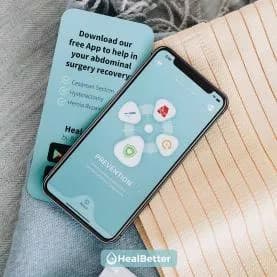
Patients using mobile-app monitoring after surgery

Mobile apps for reporting symptoms at home may reduce major post-surgical complications by 22 per cent, provided healthcare professionals review reports and respond to warning signs.
A study presented at the Anesthesiology 2026 annual meeting found that app-based monitoring could also reduce emergency department visits and hospital readmissions, highlighting the importance of follow-up care after patients leave hospital.
The researchers analysed 38 studies involving 7,507 patients to assess whether digital monitoring could improve recovery after surgery.
Most programmes required patients to complete daily check-ins through smartphone apps or web portals, reporting symptoms such as pain, fever, nausea and changes in the appearance of their wounds.
Some also incorporated wearable fitness trackers and Bluetooth-enabled devices, including blood pressure monitors, thermometers and pulse oximeters, which measure oxygen levels in the blood.
The findings showed that patients enrolled in mobile monitoring programmes had a 22 per cent lower risk of major postoperative complications than those receiving standard care.
They also had a 22 per cent lower risk of visiting an emergency department and a 15 per cent lower risk of hospital readmission.
Patients using the programmes reported less pain and anxiety, better physical function, improved quality of life and greater satisfaction with their care.
However, the total number of complications did not decline significantly, suggesting that monitoring may not prevent every problem that develops during recovery.
Instead, the researchers suggested that digital monitoring could help healthcare teams identify warning signs early, potentially preventing complications from worsening and requiring emergency treatment, intensive care, readmission or another operation.
Mouad Elganga, the study’s lead author and a medical student at the Temerty Faculty of Medicine at the University of Toronto, said the benefits depended on clinical oversight rather than the technology alone.
“The biggest benefit occurs when a clinician is actually reviewing what patients send and can act on it,” he said.
The researchers found that readmissions declined only in programmes where a member of the surgical team or a nurse reviewed patients’ reports and could intervene. Programmes without clinician review did not show a reduction in readmissions.
The findings highlight a potential weakness in digital healthcare: collecting information does not necessarily improve outcomes unless someone is available to interpret it and respond.
For hospitals considering app-based monitoring, the implication is that investment must extend beyond software and devices to include healthcare professionals who can assess patients’ symptoms and respond promptly.
Elganga advised patients to ask who reviews the information they submit, how quickly they can expect a response and what happens when their symptoms suggest something is wrong.
As more healthcare providers explore digital follow-up, the study suggests that the value of these tools lies not simply in allowing patients to report symptoms from home, but in ensuring that warning signs lead to timely clinical action.


Comments
No comments yet. Be the first to share your thoughts.