
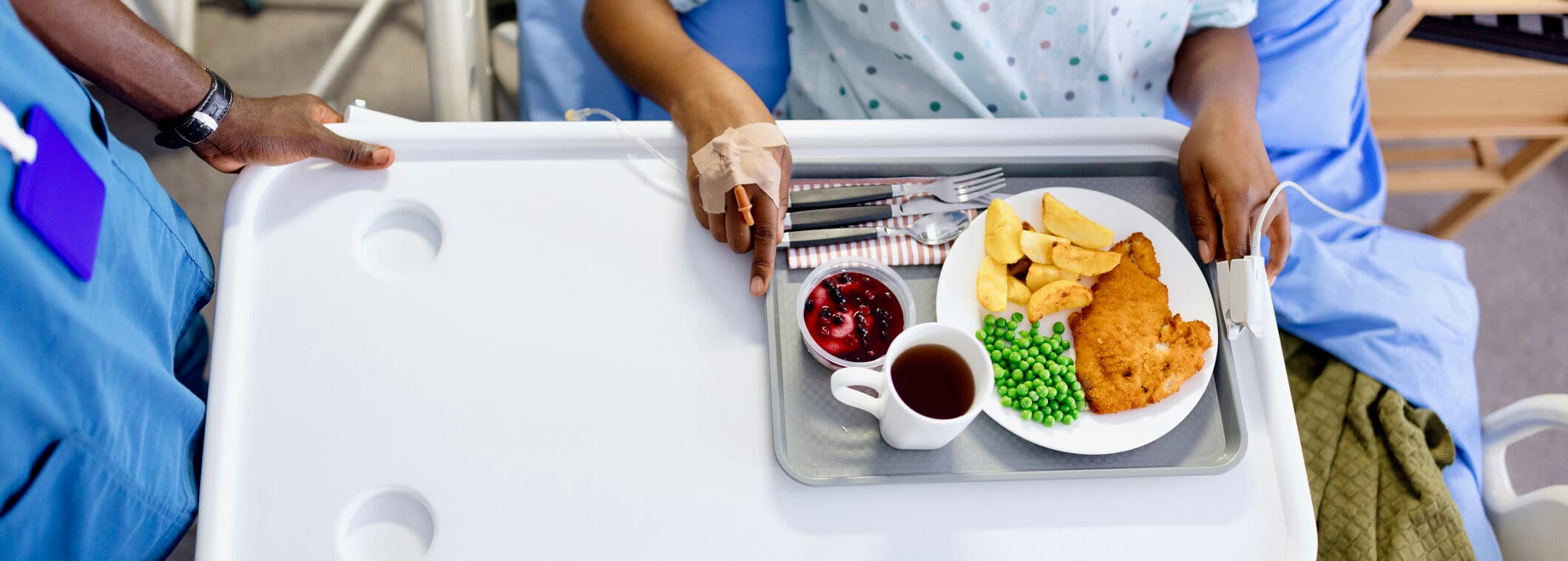
It was 3 p.m. when he walked up to the Customer Care desk. I instinctively prepared myself for what I assumed would be another complaint, query or one of those wonderfully unpredictable questions that come with working at a hospital’s front office. But this one caught me completely off guard.
“Do you offer meals to outpatient clients under insurance cover?”
I paused. It wasn’t exactly the question I was expecting.
“Oh… um, no. We don’t offer meals to outpatient clients,” I responded, calmly.
I directed him to the in-house restaurant within the hospital premises. He hesitated for a moment, smiled and then explained why he had asked. He had recently been admitted to our hospital. And apparently, he had fallen in love with the food. “The meals were so delicious!”
Now, that was unexpected. Anyone who has worked in a hospital – or spent considerable time in one – will understand why. Hospital food has a reputation. And, depending on whom you ask, that reputation ranges from bland and forgettable to downright tragic.
Globally, hospital food has become something of a cultural punchline. A 2024 feature by The Guardian, a British daily newspaper, explored the stark contrast in hospital meals around the world, from food dismissed as bland and soggy “slop” to thoughtfully prepared dishes that would not look out of place in a good restaurant.
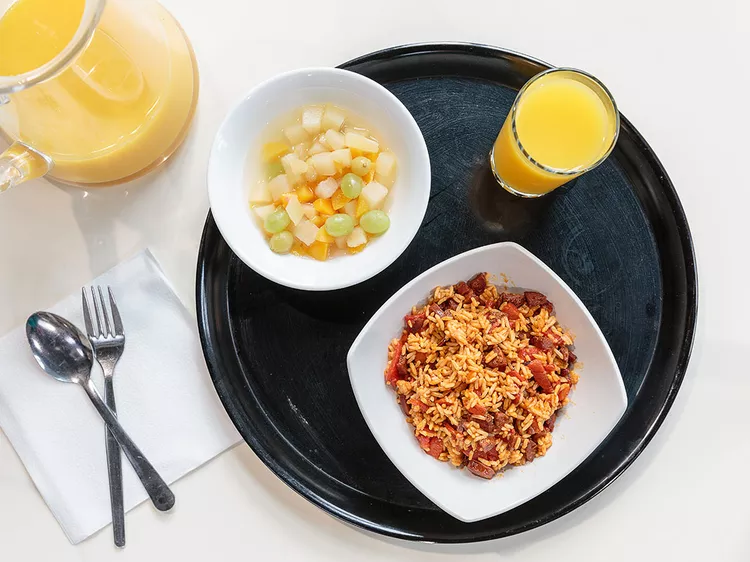
But perhaps we don’t talk enough about what happens when hospital food gets it right. Because food is not merely food when you are sick. It can be comfort. It can be familiarity. It can be nourishment. It can be one small pleasure in a day otherwise dominated by medical procedures, waiting, uncertainty and vulnerability. And sometimes, it can become part of how a patient remembers their care. Food is part of the patient journey
One of the things that struck me while reflecting on that brief conversation is how easily food can disappear from conversations about patient experience. We talk about waiting times. We talk about clinical outcomes. We talk about doctors and nurses, billing, pharmacy turnaround times, cleanliness, communication and customer service. All of these matter.
But then there is the seemingly ordinary question: What did the patient eat?
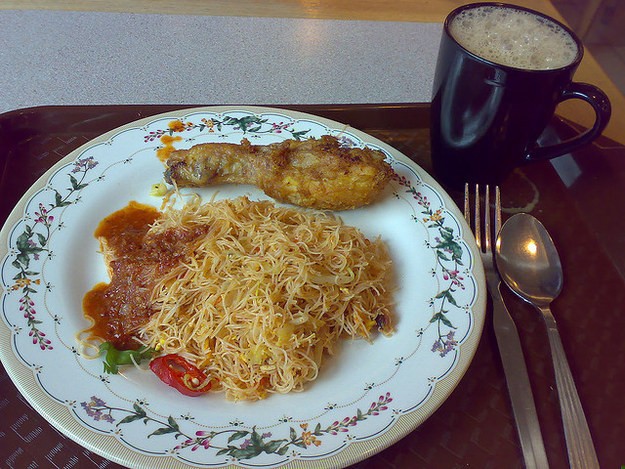
Discourse on hospital food offers an important reminder of just how consequential that question can be. For patients – particularly those facing financial hardship or prolonged hospital stays – food can become another dimension of vulnerability. Access to adequate, appropriate nourishment is not simply about satisfying hunger; it intersects with dignity, recovery and the ability to endure an already difficult experience.
That changes the way we should think about a hospital meal. A tray arriving at a patient’s bedside isn’t just a tray. It is another touchpoint. Another interaction. Another opportunity to communicate care. Another moment in which a healthcare institution tells a patient, consciously or otherwise: We see you. We know you are here. And we care about what happens to you.
The psychology of a meal
Think about what happens when we are at home. When someone is unwell, one of the first things we ask is often:
“Have you eaten?” It is such an ordinary question that we rarely stop to examine its emotional weight.
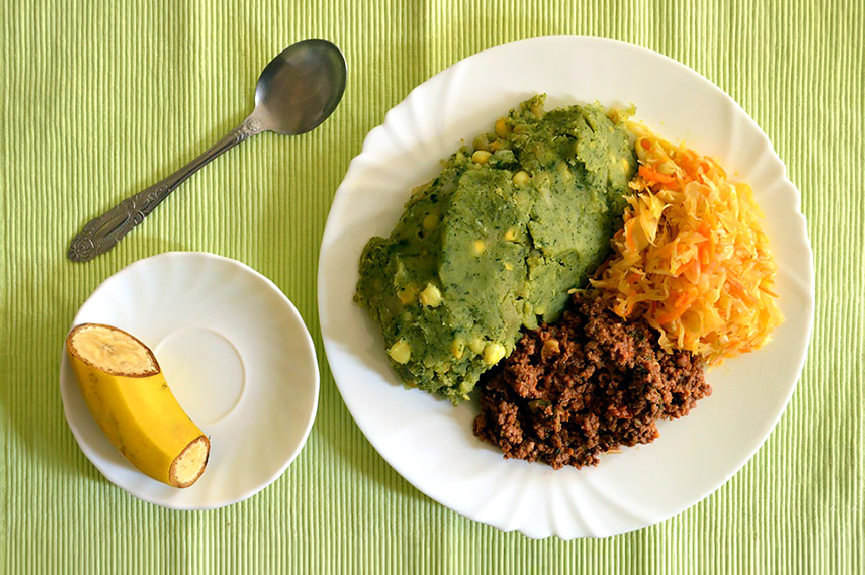
Food is how families express concern. It is how friends show up. It is how cultures welcome strangers. It is how we celebrate, mourn, reconnect and comfort one another. Across Africa, food carries an especially powerful social vocabulary.
We don’t simply eat. We cook for people. We serve them. We insist they have another helping. We ask whether they’ve eaten. We send food to someone who is sick. We carry food across town. We tell someone, in a hundred different ways, you matter enough for me to feed you.
Why should the hospital experience be completely different? Of course, hospital food comes with legitimate constraints. Nutritional requirements, allergies, therapeutic diets, food safety, budgets, logistics and clinical considerations all matter. A patient’s meal may need to comply with restrictions that have little to do with culinary indulgence. But perhaps within those constraints there remains an opportunity to make food feel less clinical and more human. Because therapeutic nutrition does not have to mean culinary punishment.
When the meal becomes the memory
What fascinated me most about the client who approached my desk was not that he liked the food. It was why he remembered it. He had already left the hospital. Yet something as seemingly mundane as a meal had stayed with him strongly enough that he returned and asked whether he could have it again.
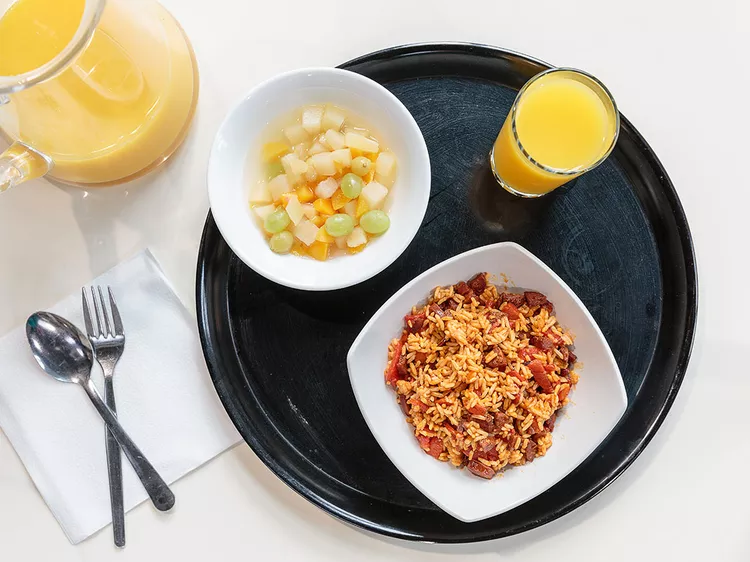
Think about that. Of all the things he could have remembered from his hospital stay, he remembered the food. Perhaps that is one of the more interesting lessons in customer experience. We don’t always remember the entire journey. We remember moments.
A receptionist who smiled when we were anxious. A nurse who explained something twice because we didn’t understand it the first time. A doctor who listened. A cleaner who quietly helped an elderly patient find their way. A meal that tasted surprisingly good when we were feeling terrible.
These seemingly small interactions accumulate into something much bigger: the patient’s perception of whether they were cared for.
The hospitality in healthcare
Healthcare has an interesting relationship with the word hospitality. The two words share a linguistic DNA, but modern healthcare can sometimes make them feel worlds apart. A hospital is, after all, a place where people arrive at some of the most vulnerable moments of their lives.
They come frightened. They come in pain. They come uncertain. They come with families who are equally anxious.
And while medicine treats the illness, the experience of care must also attend to the person living through it. That is where hospitality matters. Not in the sense of turning a hospital into a hotel. Rather, in recognizing that every point of contact can either increase someone’s anxiety or ease it.
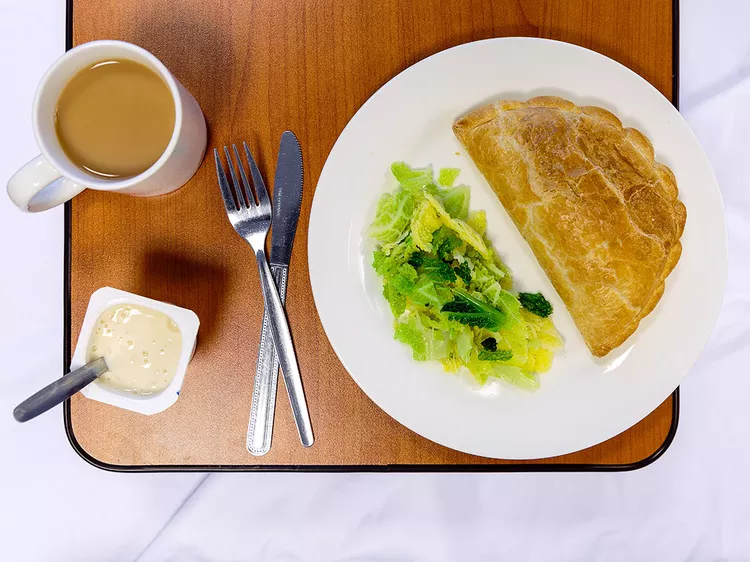
Food is one of those points. Perhaps we should stop laughing at hospital food. The stereotype of terrible hospital food is so entrenched that we sometimes treat it as inevitable. Perhaps it shouldn’t be.
The question isn’t whether hospital meals should compete with fine dining. They don’t need to. The question is whether they can be nutritious, safe, culturally familiar, visually appealing and genuinely enjoyable – within the realities of healthcare.
And perhaps, more importantly, whether patients are being invited into that conversation. What do they like? What don’t they like? What makes them feel cared for? What would make a difficult hospital stay just a little more bearable? These are not frivolous questions. They are patient-experience questions.
Now, back to that 3 p.m. conversation. I eventually watched the gentleman make his way towards the hospital restaurant. And I couldn’t help but smile. A routine interaction with a client had unexpectedly turned into a tiny lesson in patient experience. It reminded me that exceptional care isn’t always found in grand gestures or expensive interventions. Sometimes, it arrives on a tray. Sometimes it is warm. Sometimes it is familiar. Sometimes it is the meal you didn’t expect to enjoy. And sometimes, months – or even days – later, it is the thing you remember.
We often say that healthcare should treat the whole person. Perhaps that also means remembering that the whole person has to eat. Because patients aren’t just diagnoses, insurance numbers, admission numbers or clinical cases. They are people. And people remember how you made them feel. Even through food.

![Medina Hospital, GCTRH Among Garissa Health Facilities Approved by SHA [Full List]](/_next/image?url=https%3A%2F%2Fstorage.googleapis.com%2Ferrands-mwendaa.firebasestorage.app%2Fimages%2F3c424ad04fde631b5abb874aae700fecb7ac4a08.jpg&w=3840&q=75)
Comments
No comments yet. Be the first to share your thoughts.