
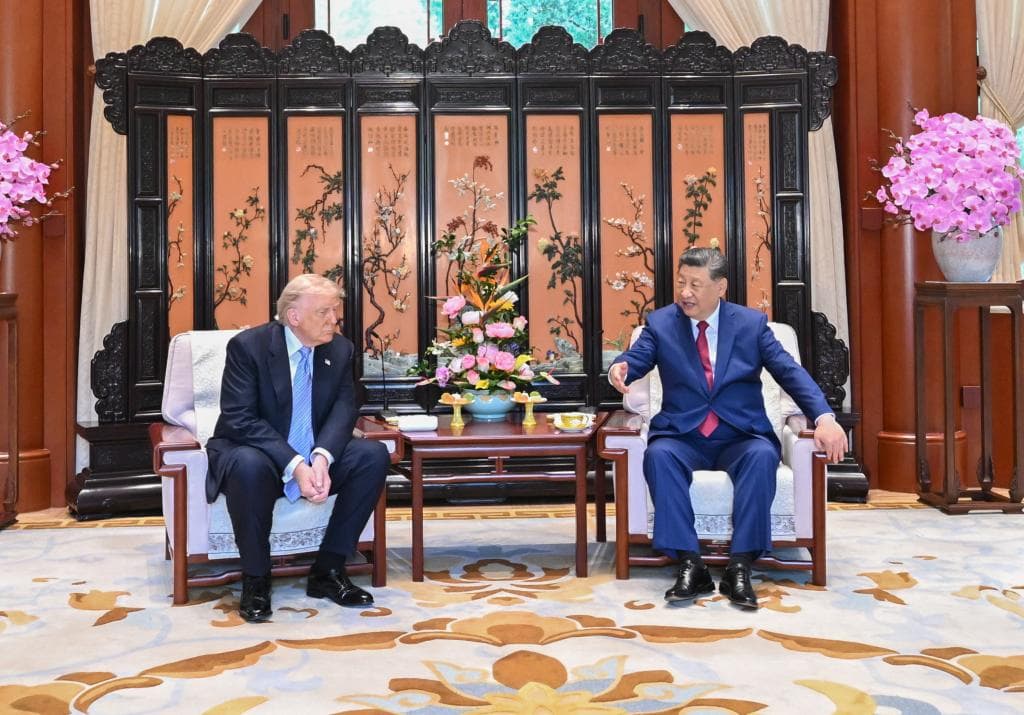
Chinese President Xi Jinping is set for a state visit to the United States from 23 to 25 September, at the invitation of President Donald Trump. The two leaders are expected to discuss trade, artificial intelligence, and wider China-US relations.
The visit comes as officials from both nations continue economic talks aimed at resolving differences between the world’s two largest economies.
Guo Jiakun, spokesperson for the Chinese Foreign Ministry, stated that President Xi and President Trump would engage in an in-depth exchange of views on significant issues concerning China-US relations, as well as global peace and development.
Guo emphasised the “irreplaceable” role of head-of-state diplomacy in providing strategic guidance for bilateral relations. He described the reciprocal visits by the two leaders within six months as having historic and milestone significance.
“China is ready to work with the US side to enrich the connotation of the constructive relationship of strategic stability, enhance dialogue and cooperation, [and] properly manage differences,” Guo said, adding that Beijing aims for the relationship to contribute to the welfare of both peoples and global peace, stability, and prosperity.
The announcement followed economic and trade consultations in New York between Chinese Vice Premier He Lifeng, US Treasury Secretary Scott Bessent, and US Trade Representative Jamieson Greer.
The Chinese Foreign Ministry reported that both sides conducted candid, in-depth, and constructive exchanges on economic and trade issues of common concern, and discussed the implementation of understandings reached during previous negotiations.
The discussions were guided by agreements between President Xi and President Trump and encompassed economic and trade matters, alongside issues related to artificial intelligence.
The talks provide an immediate economic context for President Xi’s meeting with President Trump, as both governments seek to manage disputes involving tariffs, technology restrictions, critical supply chains, and market access.
Following the recent talks, US Treasury Secretary Scott Bessent indicated that China and the United States would also continue discussions on AI safety, with another meeting anticipated in Shenzhen in approximately two months.
The economic engagement follows months of fluctuating trade tensions. Reuters has reported that the two countries have alternated between tariff escalations and temporary agreements, with a previously established trade truce set to expire in November.
The upcoming Xi-Trump meeting is expected to assess whether recent diplomatic and economic contacts can lead to more enduring arrangements.
China has consistently advocated for dialogue, mutual respect, and consultation in managing differences with Washington. Beijing has also argued that competition between major powers should not define the entirety of the relationship.
Chinese officials have stated that the two countries should expand practical cooperation while appropriately managing areas of disagreement. Beijing has particularly stressed the importance of maintaining stable economic and trade relations and securing global industrial and and supply chains.
Beyond trade, the two governments have maintained contact. Chinese Foreign Minister Wang Yi and US Secretary of State Marco Rubio recently held a telephone conversation, and officials from both sides have continued discussions on further high-level exchanges.
China reiterates that the relationship extends beyond bilateral economic interests. Officials in Beijing argue that the stability of China-US relations has implications for global trade, economic recovery, technological governance, and international security.
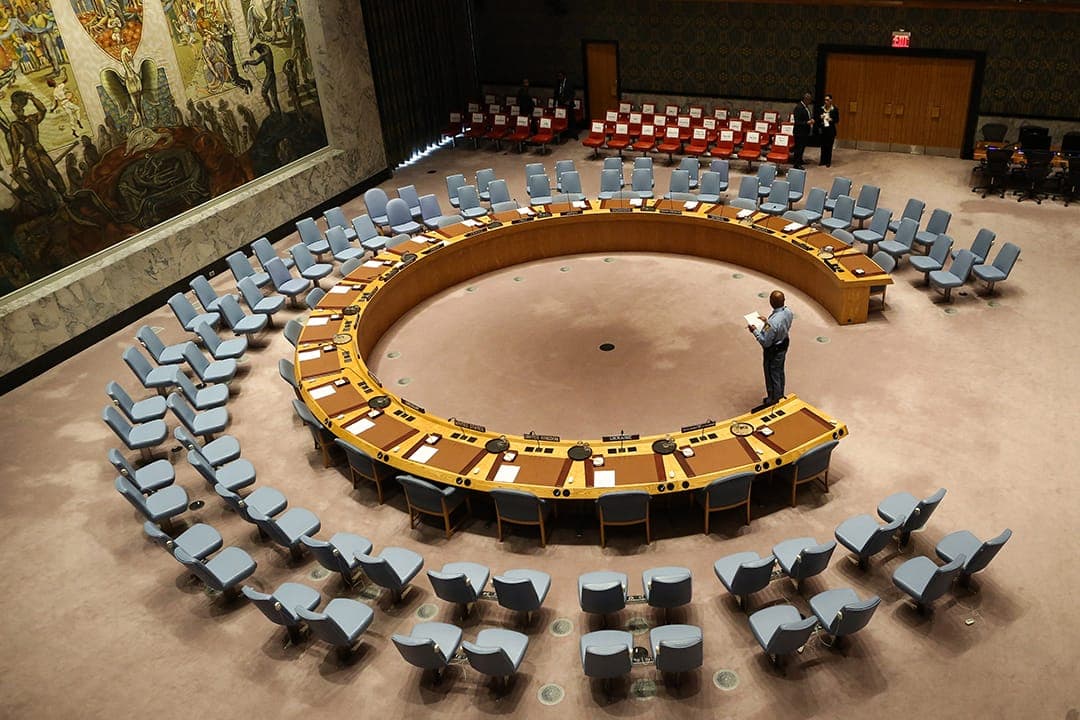
As permanent members of the UN Security Council and the world’s two largest economies, China and the United States’ decisions on trade, technology, energy, and international security have effects far beyond their bilateral relationship.
The Taiwan issue is also expected to remain a major talking point. Beijing identifies Taiwan as a core issue in China-US relations, with Chinese officials urging Washington to adhere to the one-China principle and existing China-US joint communiqués.
President Xi’s visit is seen as another opportunity for the two leaders to leverage a high-level channel to address contentious issues while exploring areas of cooperation.
Chinese officials have described the reciprocal presidential visits as a sign that the relationship is progressing towards “constructive strategic stability.” Similarly, the US has maintained direct engagement with Beijing on trade and AI.

Comments
No comments yet. Be the first to share your thoughts.