
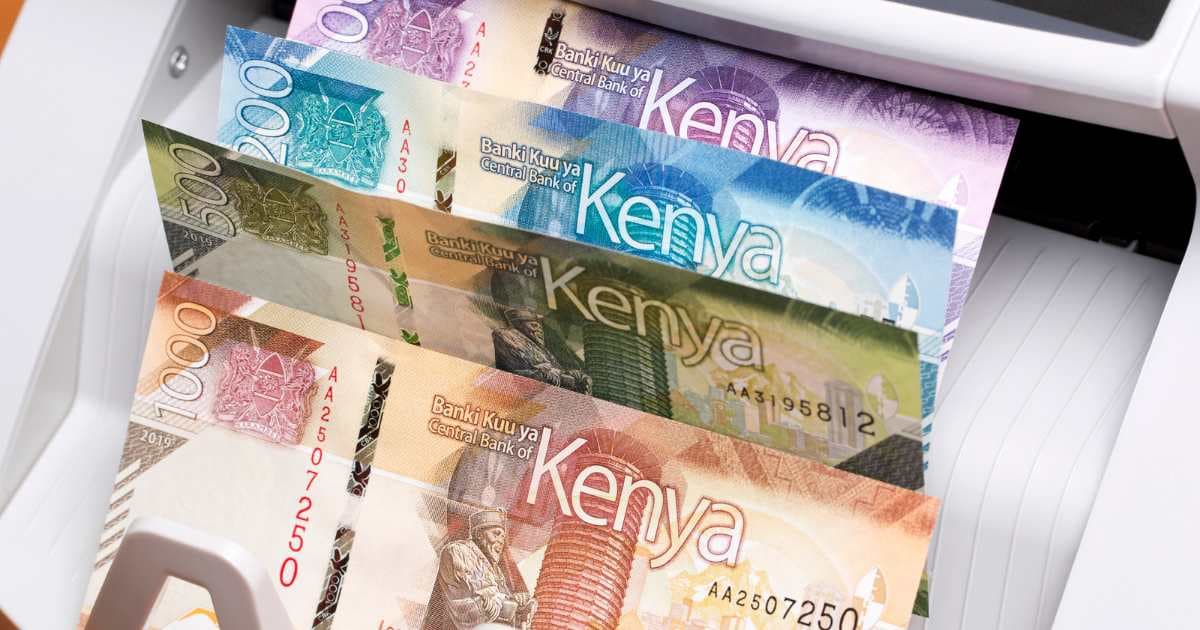
A budget is more than a record of income and expenses. For households living on a tight monthly income, it can be an important tool for ensuring that essential needs are met while creating room for saving, investing and supporting family members.
Financial experts generally recommend giving every shilling a specific purpose and balancing present needs with future financial security.
A practical budget should cover necessities first, provide for important family obligations, allow for a modest amount of discretionary spending and, where possible, set aside money for emergencies and long-term goals.
For someone earning Sh25,000 a month, financial advisor Benjamin Cheruiyot of Abojani Investment has developed a budget that allocates income across these competing priorities while keeping the level of saving realistic.
The Sh25,000 monthly budget
According to Cheruiyot, someone taking home a net salary of Sh25,000 should divide it into four broad categories:
- Needs — Sh15,000 (60 per cent): This includes Sh7,000 for rent in a suburban area, Sh4,000 for food, Sh2,000 for transport and Sh2,000 for airtime and utilities.
- Parents — Sh3,000 (12 per cent)
- Wants — Sh2,000 (8 per cent)
- Saving and investing — Sh5,000 (20 per cent)
Cheruiyot cautions against increasing the saving and investment allocation beyond Sh5,000 while earning Sh25,000 a month.
Although saving more may appear attractive, he argues that putting too much pressure on a limited income could leave an individual struggling to meet basic expenses.
“Don’t invest more than this until your income grows, else you’ll be stressed,” he states.
The first priority: build an emergency fund
For the first 14 months, Cheruiyot recommends putting the entire Sh5,000 monthly saving into a Money Market Fund (MMF).
At an assumed annual return of 9 to 10 per cent, regular contributions of Sh5,000 could accumulate to around Sh70,000 before accounting for interest after 14 months, bringing the saver close to the Sh75,000 target.
He recommends using the accumulated funds for emergencies to reduce reliance on expensive short-term loans when emergencies arise.
From month 15: introduce SACCO savings
Once the emergency fund has been substantially built, Cheruiyot recommends changing the way the Sh5,000 monthly allocation is used.
From the 15th month, the amount can be divided equally between the MMF and a SACCO:
- Sh2,500 — Money Market Fund: This continues to strengthen the emergency reserve.
- Sh2,500 — SACCO: The money goes towards building savings and deposits in a stable SACCO.
At Sh2,500 a month, a member would contribute Sh30,000 over 12 months, excluding any returns or other SACCO considerations.
Cheruiyot notes that such savings may help a member qualify for a loan, depending on the SACCO’s specific rules and lending requirements.
Under the example he gives, Sh30,000 in deposits could support eligibility for a loan of up to Sh90,000, assuming a three-times-deposit lending arrangement.
At an indicated rate of 1 per cent per month, such borrowing could potentially be directed towards acquiring an income-generating asset or paying for skills development.
The approach, however, requires discipline. Borrowing should be considered only when repayment can comfortably fit within the monthly budget and when the money is being used for a clearly defined purpose.
Comments
No comments yet. Be the first to share your thoughts.