
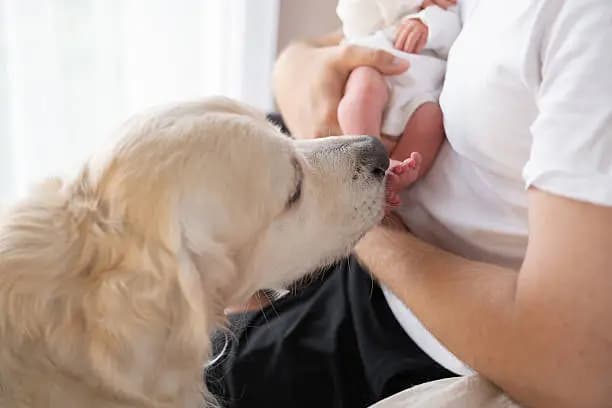
Introducing a dog to a new baby is an important process that should be handled carefully and gradually. Even a friendly and well-behaved dog may react differently to changes in the home, new sounds, and unfamiliar smells. Learning how to introduce a dog to a new baby can help the pet adjust while keeping the baby safe. With preparation, supervision, and positive training, you can help your dog become comfortable with the newest member of the family.
-
Table of Contents
TogglePrepare the Dog Before the Baby Arrives
Start preparing your dog before bringing the baby home. Gradually introduce changes that may happen after the baby arrives, such as different routines, new furniture, or reduced attention.
This gives the dog time to adjust before the baby becomes part of the household.
- Introduce changes gradually
- Establish consistent routines
- Spend quality time with the dog
-
Teach Basic Commands
Your dog should understand basic commands such as sit, stay, leave it, and come.
Good obedience can make it easier to manage the dog when the baby is nearby.
- Practice basic commands regularly
- Reward calm behavior
- Reinforce reliable responses
-
Introduce Baby Sounds and Smells
Before the baby comes home, allow your dog to become familiar with some of the new sights, sounds, and smells associated with a baby.
For example, you can gradually introduce baby sounds at a low volume and allow the dog to smell clean baby items.
- Introduce new sounds gradually
- Allow the dog to investigate baby smells
- Reward calm reactions
-
Create a Safe Space for the Dog
Give your dog a comfortable area where it can retreat when it wants quiet time.
This helps the dog have its own safe space instead of feeling that it has lost its place in the home.
- Provide a comfortable bed
- Keep the area away from heavy household activity
- Teach the dog to use the space calmly
-
Let Someone Greet the Dog First
When the baby comes home, it can help for another adult to greet and settle the dog before the introduction.
This can reduce excitement and allow the dog to calm down before meeting the baby.
- Give the dog time to settle
- Avoid an overly excited greeting
- Keep the environment calm
-
Introduce the Baby Gradually
When introducing the baby, keep the dog under control and allow it to observe from a safe distance initially.
Let the dog approach only when it is calm and manageable.
- Keep the dog on a leash if appropriate
- Allow controlled observation
- Avoid forcing interaction
-
Allow the Dog to Smell the Baby Safely
Dogs rely heavily on their sense of smell. Allowing the dog to become familiar with the baby’s scent can be part of the introduction.
Keep the baby securely held by an adult and prevent the dog from licking or jumping on the baby.
- Allow gentle sniffing
- Keep the dog under control
- Prevent jumping or licking
-
Reward Calm Behavior
Give your dog praise or an appropriate treat when it remains calm around the baby.
This can help create a positive association with the baby’s presence.
- Reward relaxed behavior
- Praise the dog calmly
- Avoid rewarding jumping or barking
-
Never Leave the Dog and Baby Alone
A baby should never be left alone with a dog, regardless of the dog’s breed, age, size, or previous behavior.
Always have a responsible adult actively supervise interactions between the baby and dog.
- Stay within immediate reach
- Keep your attention on the interaction
- Separate them when you cannot supervise
-
Keep the Dog’s Routine as Consistent as Possible
A new baby can significantly change the household routine. Try to maintain the dog’s feeding, exercise, toilet, and rest schedule as consistently as possible.
This can help reduce stress and behavioral changes.
- Maintain regular feeding times
- Continue appropriate exercise
- Keep familiar routines where possible
-
Teach the Dog to Respect Baby Areas
Create boundaries around places such as the baby’s cot, changing area, or play space.
The dog should learn that some areas are off limits unless you invite it into them.
- Establish clear boundaries
- Reinforce commands such as “leave it”
- Keep baby items out of the dog’s reach
-
Watch for Signs of Stress
Pay attention to changes in the dog’s behavior. Signs of stress may include excessive panting, pacing, hiding, avoiding the baby, growling, stiff body language, or unusual aggression.
Do not punish warning behaviors such as growling. Instead, calmly create distance and seek professional guidance if necessary.
- Monitor body language
- Give the dog space when needed
- Take unusual behavior seriously
-
Give the Dog Individual Attention
Your dog may receive less attention after the baby arrives. Make time for positive interaction with the dog so it does not associate the baby only with losing attention.
- Continue playtime
- Give affection when appropriate
- Maintain regular exercise
-
Supervise as the Baby Becomes Mobile
The introduction does not end once the dog accepts the baby’s presence. Crawling and walking can create new challenges because babies may grab fur, ears, tails, or toys.
Continue supervising interactions as the child becomes more active.
- Keep toys and food separate
- Teach the child gentle behavior as they grow
- Provide the dog with escape areas
-
Seek Professional Help When Necessary
If your dog shows persistent aggression, intense fear, repeated attempts to bite, or other concerning behavior around the baby, keep them separated and seek help from a qualified veterinarian or animal behavior professional.
Do not assume that aggressive behavior will disappear on its own.
- Take warning signs seriously
- Maintain separation when necessary
- Seek professional guidance


Comments
No comments yet. Be the first to share your thoughts.