
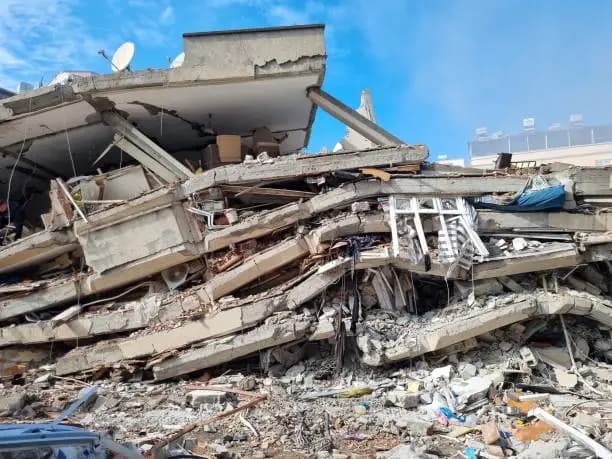
Knowing how to know a building is about to collapse can help you recognise danger signs and take action before a disaster occurs. Buildings may develop structural problems because of poor construction, damaged foundations, heavy rainfall, fire, or a lack of maintenance. Although some buildings collapse without obvious warning, certain changes in walls, floors, ceilings, and supporting structures may indicate serious problems that require immediate attention.
-
Table of Contents
ToggleLook for Large or Growing Cracks
Cracks are among the warning signs that a building may have structural problems. Pay attention to new cracks that appear suddenly or become wider over a short period. Diagonal, stair-step, or X-shaped cracks in masonry walls can indicate structural movement. Cracks in supporting columns, beams, or concrete slabs are particularly concerning and should be assessed by a qualified structural engineer.
-
Check for Leaning or Bulging Walls
Walls that begin leaning, bending, or bulging outward may indicate that a building is losing stability. You may also notice that sections of the exterior walls are separating from the rest of the structure. If you observe these changes, leave the building and report the problem to the relevant authorities rather than attempting to investigate closely.
-
Watch for Sagging Floors and Ceilings
A floor that suddenly becomes uneven, develops a noticeable slope, or feels unusually weak may indicate damage to its supporting structure. Similarly, ceilings that sag, bulge, or begin separating from walls can be dangerous. Do not walk across a visibly weakened floor or stand beneath a sagging ceiling. Evacuate the affected area and seek professional assistance.
-
Listen for Unusual Cracking Sounds
Unusual creaking, popping, snapping, or cracking sounds coming from the building’s structural components can signal movement or failure. These noises are especially concerning when accompanied by widening cracks, falling debris, or visible changes in walls and floors. Do not ignore sudden changes in the building’s sounds or wait for additional warning signs before leaving.
-
Look for Foundation Problems
Foundation damage can threaten the stability of an entire building. Warning signs may include sinking ground, large cracks near the base of walls, separating exterior structures, and water collecting around the foundation. Heavy rainfall, poor drainage, and soil erosion can worsen existing weaknesses. Report these problems promptly for professional assessment.
-
Know What to Do if a Collapse Is Possible
If you notice serious warning signs, evacuate immediately if you can do so safely. Warn other occupants as you leave, stay away from the building, and contact emergency services or the relevant building safety authorities. Never re-enter until qualified professionals confirm that it is safe.



Comments
No comments yet. Be the first to share your thoughts.