

The Nairobi Film Festival has expanded its screening footprint and programme for its 2026 edition, putting the spotlight on a central question for African cinema: how to turn growing international interest in the continent’s films into a sustainable audience at home.
The festival, running from October 15 to 25, opened at Prestige Cinema with the African premiere of Ben’Imana, a Rwandan drama examining the long-term consequences of the 1994 genocide against the Tutsi. The production, directed and co-written by Marie-Clémentine Dusabejambo and Delphine Agut, is a multinational co-production involving Rwanda, Gabon, France, Norway and Côte d’Ivoire.
The 2026 programme features about 50 films across three Nairobi venues: Prestige Cinema, Unseen Nairobi and Alliance Française. The expanded selection gives audiences access to a broader range of African and international productions, while positioning the festival as a meeting point for filmmakers, distributors and audiences.
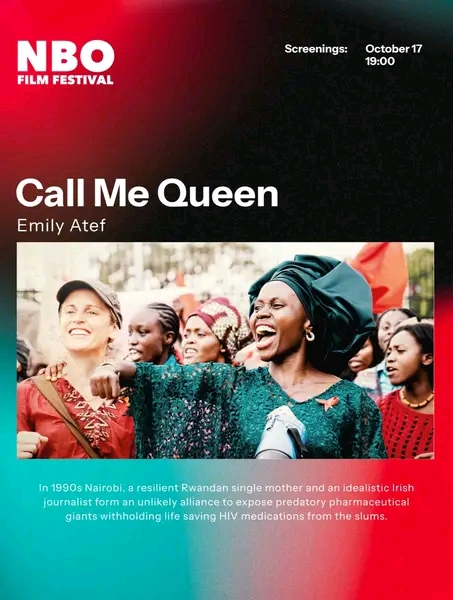
Some stories entertain. Others challenge us to remember.
PHOTO | NBO Film Festival.
For Kenya’s film industry, the opportunity extends beyond the visibility offered by a premiere. Festivals can provide a platform for independent productions to find viewers, build professional relationships and explore routes to distribution in markets where theatrical access remains a challenge.
Yet audience development remains a critical consideration. International recognition does not automatically translate into strong domestic demand, while the economics of independent filmmaking depend on access to financing, distribution networks and viewers willing to pay for locally produced content.
A showcase for African storytelling
The opening selection, Ben’Imana, places historical memory, community justice and reconciliation at the centre of the festival’s programme. The film follows Vénéranda, played by Clémentine U. Nyirinkindi, a genocide survivor who becomes involved in community-led justice and reconciliation initiatives years after the violence.
Its visual approach, use of local languages and attention to everyday life in Rwanda illustrate the creative possibilities of stories rooted in specific African experiences. The production also reflects the cross-border financing and collaboration that can bring regional stories to wider audiences.
But the film’s premiere also raises a broader question about the kinds of African narratives that gain international recognition. Stories of conflict, trauma and historical injustice remain important, but the continent’s creative industries encompass a much wider range of genres, from comedy and animation to speculative fiction and popular entertainment.
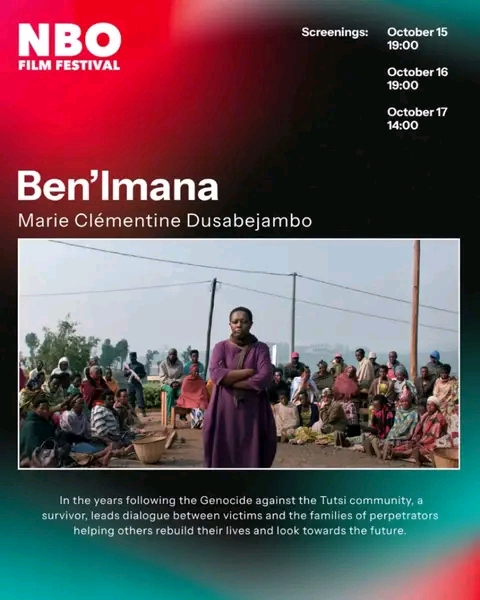
A powerful reminder that reconciliation is not about forgetting history, but finding a way forward.
PHOTO | NBO Film Festival.
For producers and investors, the diversity of these stories matters. A broader mix of genres can help filmmakers reach audiences with different tastes, potentially widening the market beyond viewers already drawn to festival cinema.
The challenge is not to abandon socially conscious filmmaking, but to create room for a wider range of commercial and artistic possibilities.
Kenya’s films in the spotlight
The festival’s Kenyan selections offer another measure of the industry’s ambitions. One Woman, One Bra, directed by Vincho Nchogu, is among the featured titles and has been selected as Kenya’s official submission for the 2027 Academy Awards international feature film category.
Other Kenyan productions include Kikuyu Land, Cards On The Table and Kamirithu Afterlives, alongside short-film programmes that showcase emerging and established filmmakers.
The mix of feature films, shorts and international productions gives the festival an opportunity to connect local filmmaking with wider creative networks. Industry initiatives associated with the programme, including Afropean Cinema, also seek to connect African diaspora filmmakers and European curators with Kenyan audiences and film professionals through screenings, workshops and discussions on subjects such as independent production, artificial intelligence and access to global markets.
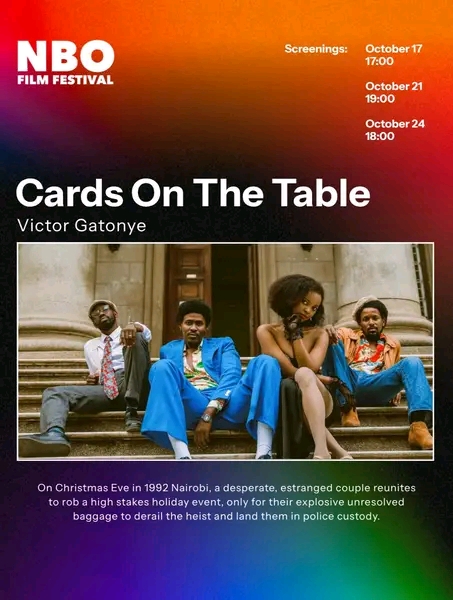
A Nairobi-set crime story where the past refuses to stay in the past.
PHOTO | NBO Film Festival.
Such exchanges can help filmmakers develop projects and professional relationships, although their long-term commercial value will depend on whether those connections translate into financing, distribution agreements and repeat audiences.
The festival’s expansion alone does not establish the scale of demand for Kenyan films. Organisers have not publicly disclosed attendance projections, ticket revenue or sponsorship figures in the available coverage, leaving the event’s commercial performance difficult to assess.
Beyond the festival circuit
The Nairobi Film Festival arrives at a moment when the future of African cinema depends not only on the ability to produce compelling films, but also on building the infrastructure that allows them to circulate.

PHOTO | NBO Film Festival.
Screening platforms can introduce filmmakers to audiences and industry partners, but sustainable growth requires more: reliable distribution, accessible screening venues, financing for future productions and marketing that extends beyond festival audiences.
For Nairobi, the festival offers a concentrated opportunity to bring international cinema into conversation with local creative ambitions. Whether that visibility translates into lasting gains for the industry will depend on what happens after the final screening.
The programme runs through October 25, giving audiences and film professionals the remaining days of the festival to engage with productions from Kenya and beyond.



Comments
No comments yet. Be the first to share your thoughts.