
In fashion publishing, being on trend is good business. Looking as though you arrived after everyone else has already worn the look? Not so much.
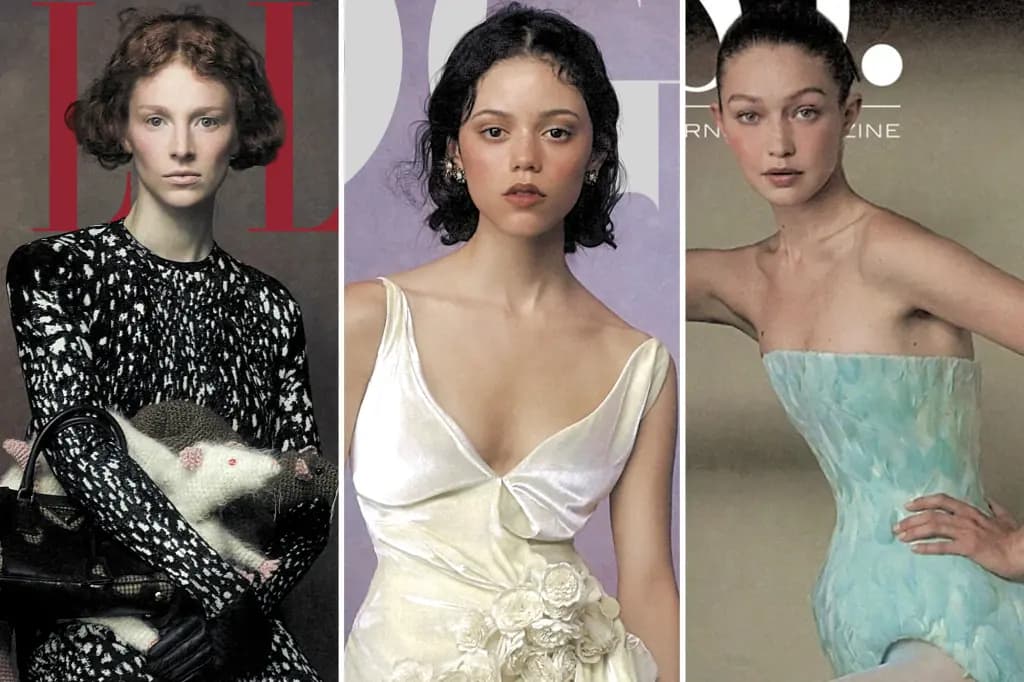
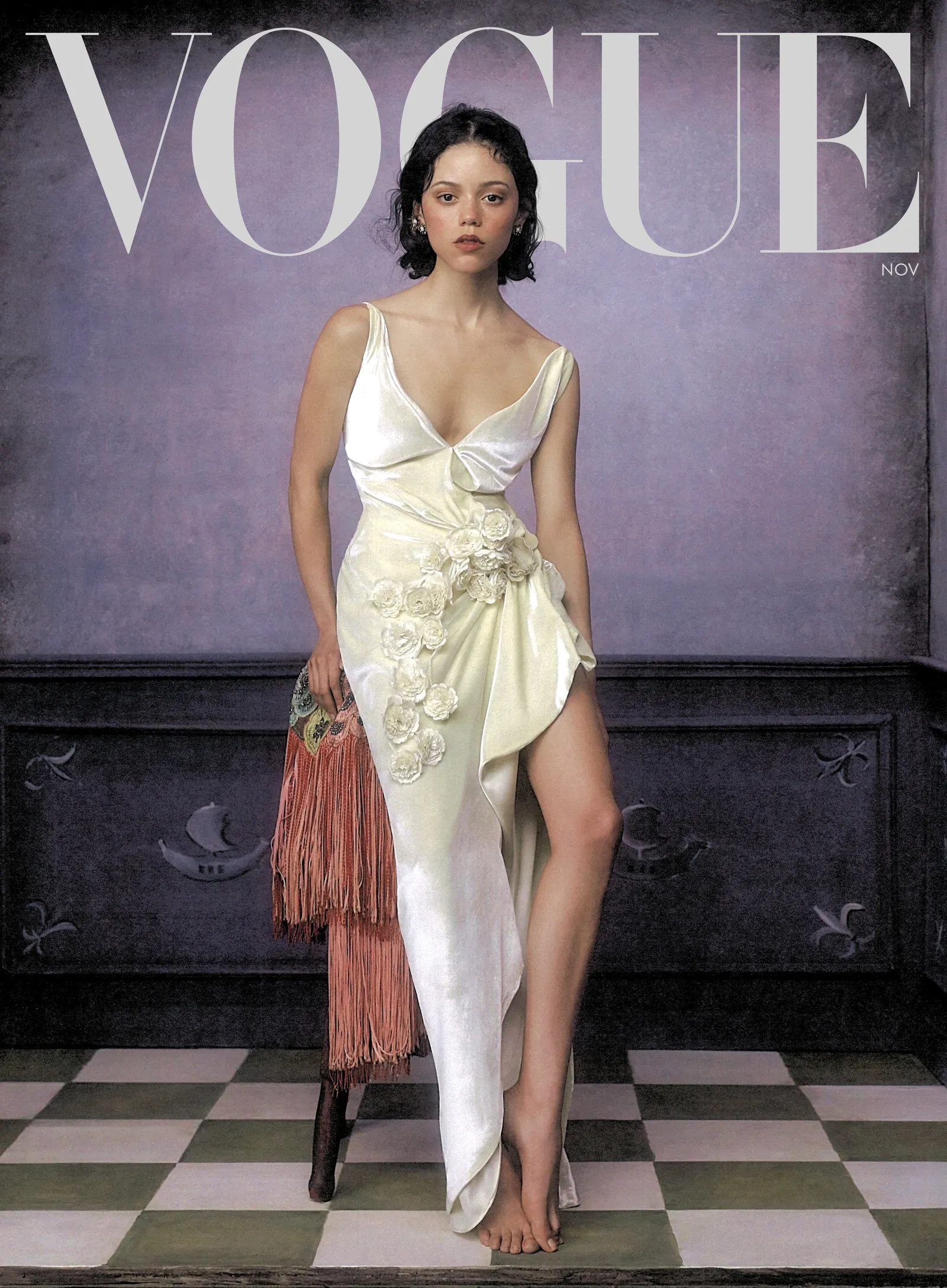
Vogue, the fashion bible long associated with setting the visual agenda, has found itself at the centre of an awkward conversation about originality after its November 2026 cover featuring actress Jenna Ortega drew comparisons with recent shoots for WSJ Magazine and Elle.
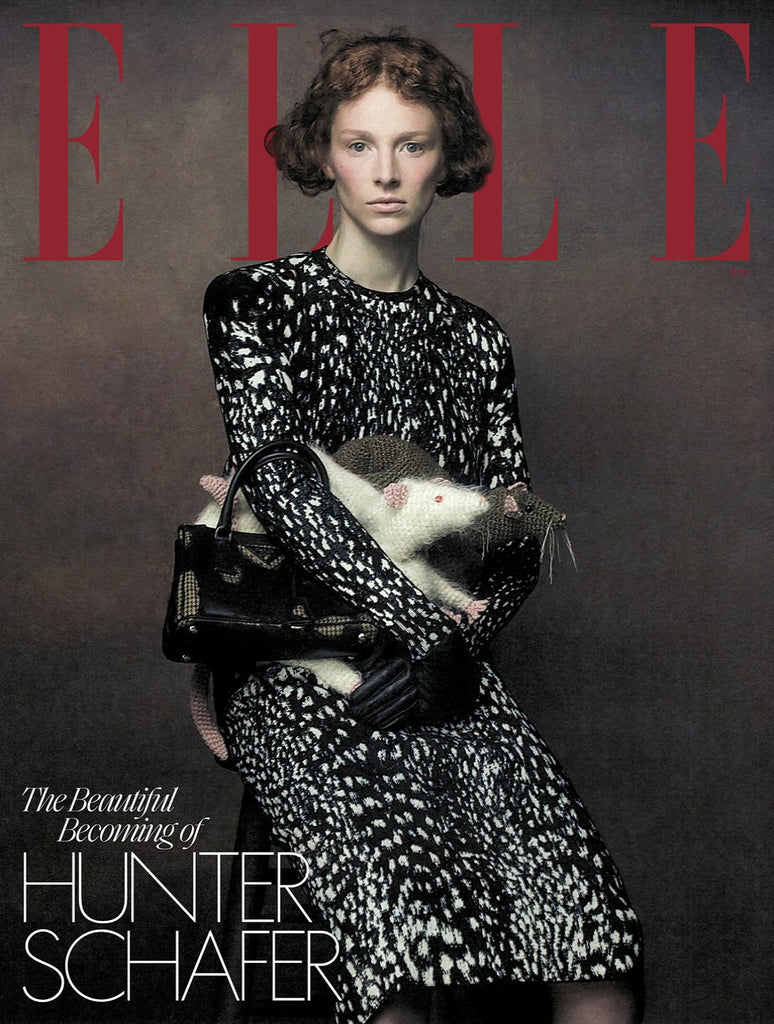
The common denominator is Hungarian photographer Szilveszter Makó, whose distinctive, painterly visual style appears across the three publications. The result has prompted questions about whether the magazines are offering distinct creative visions or competing for attention with variations of the same aesthetic.
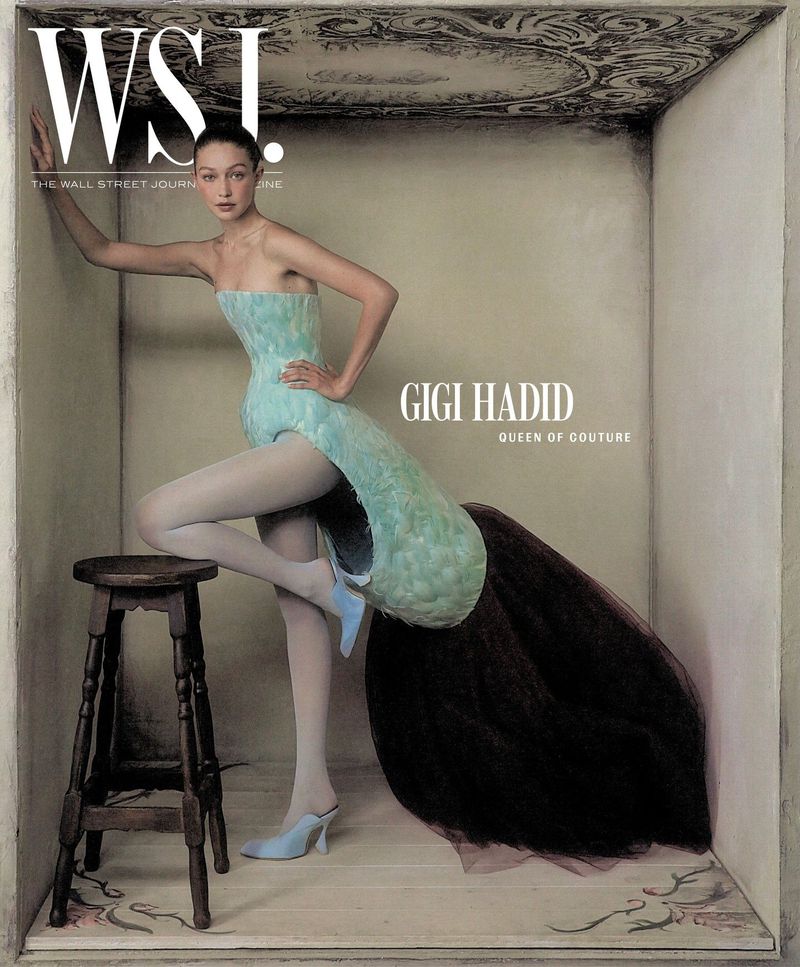
WSJ Magazine feature stars supermodel Gigi Hadid, while Elle features Euphoria actress Hunter Schafer. The visual similarities are particularly striking given how close the covers appeared in the publication calendar. Adding to the conversation, Ortega’s Vogue shoot and Hadid’s WSJ feature reportedly include the same Balenciaga Couture feathered gown.
For an industry that trades on discovery, aspiration and the next big thing, the overlap presents an uncomfortable question: what happens when the business of looking distinctive begins to look remarkably familiar?
The price of a signature look
Makó’s defenders have a reasonable argument. A photographer’s visual signature is part of the appeal. The ability to create theatrical, painterly images that are recognisably one’s own is a creative asset, not necessarily evidence of a lack of originality.
According to sources familiar with the shoot, Hadid’s feature was conceived in March and photographed in July for a digital-only couture feature. The sources attributed the similarities to Makó’s established aesthetic.
That distinction matters. The publication dates of photographs do not necessarily reflect when the shoots were commissioned, conceived or executed. Nor does a shared photographer automatically mean that the resulting work is a copy.
But there is a difference between recognizing an artist’s signature and seeing that signature repeated so closely across competing publications that the individual brands begin to lose their visual distinction. For Vogue, whose influence rests partly on its ability to shape fashion conversations rather than merely join them, the optics are particularly challenging.
Exclusivity is a business decision
The controversy also puts the economics of fashion publishing under scrutiny. Historically, leading magazines have cultivated close relationships with influential photographers, helping them establish visual identities that readers could recognize. Such relationships could also provide a degree of differentiation in a market where multiple publications compete for the same celebrities, luxury brands, stylists and audiences.
However, dwindling advertising revenue across mainstream publishing media has led to tighter budgets, making photographer exclusivity harder to maintain. That creates a commercial balancing act. Publications need access to sought-after creative talent, but when that talent works across multiple competing titles, a recognizable aesthetic can become widely available.
The challenge is not necessarily to prevent photographers from working with different clients. It is to ensure that each commission brings something distinctive to the table.
In an increasingly digital fashion market, where covers circulate across social media almost simultaneously, audiences can compare creative decisions before a magazine has had time to build a narrative around them. A visual concept that might once have felt fresh in isolation can quickly appear familiar when several publications release similar treatments within days.
When the cover becomes the story
There is an irony here. Celebrity covers are designed to generate conversation, but the conversation can easily shift from the person being photographed to the publication behind the image.
Ortega, whose public image has been closely associated with the gothic styling of her film Wednesday, offers Vogue an opportunity to explore her identity beyond a familiar screen persona. The larger question is whether the magazine’s creative execution gives readers a compelling new perspective or gets overshadowed by comparisons with rival publications.
That is a brand challenge, not merely a photography debate. The episode also raises a broader question for lifestyle publishing, from international fashion titles to African media brands: in a crowded content market, is a recognizable aesthetic enough, or must every commission deliver a distinct editorial proposition?
For Kenyan lifestyle publishers navigating limited budgets and a competitive digital environment, the lesson is relevant. Originality does not always require the most expensive photographer, the biggest celebrity or an exclusive wardrobe. It requires a clear editorial point of view, thoughtful commissioning and a reason for audiences to choose one publication over another.
A beautiful cover may earn a click. A distinctive one gives readers a reason to remember who published it. Vogue’s latest cover controversy is a reminder that in fashion, as in business, a signature is valuable. But when everybody recognizes the look before they recognize the label, differentiation becomes the real luxury.

Comments
No comments yet. Be the first to share your thoughts.