
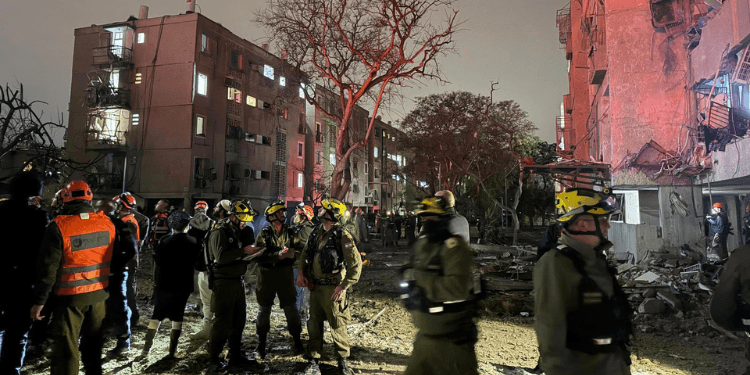
Iran has launched simultaneous targeted strikes against Israel, with the Israel Defense Forces (IDF) announcing that defensive systems have been.
The Israeli army on Sunday, April 5, morning said it had detected missiles launched from Iran towards Israel, confirming that defensive systems are working to intercept the threat.
The strikes mark a sharp escalation in the six‑week conflict, coming as U.S. President Donald Trump on Saturday issued a 48‑hour ultimatum demanding Iran accept a peace deal or face destruction of its vital infrastructure.
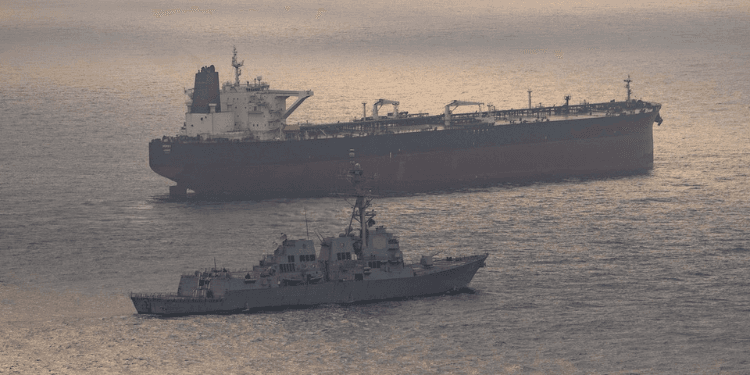
Trump warned that “all hell will rain down” on Iran if the Strait of Hormuz is not reopened by Monday.
His threat coincided with the ongoing search for a missing U.S. fighter jet weapons officer shot down over Iran, now entering its second day.
Retaliation from Iran
Iran’s central military command rejected Trump’s ultimatum, insisting the country is prepared for any U.S. action.
Officials in Tehran said they have already endured attacks on power facilities in recent days and vowed to retaliate against U.S. and Israeli targets, particularly in Israel.
“Iran has proved it has the capabilities,” one statement read, “and can inflict pain on its enemies while defending its country.”
Meanwhile, U.S. and Israeli strikes have continued to hit Iranian civilian infrastructure.
Trump, in a post on Truth Social, claimed a “massive strike” in Tehran had “terminated many of Iran’s military leaders.”
“Many of Iran’s Military Leaders, who have led them poorly and unwisely, are terminated, along with much else, with this massive strike in Tehran!”
At least five people were killed in attacks on petrochemical plants, while one person died in a strike on the Bushehr nuclear site.
Smoke was seen rising from the Mahshahr Petrochemical Zone in Khuzestan. Iranian state media also reported three killed and two wounded in Kohgiluyeh after a U.S.‑Israeli strike on Black Mountain.
As the war enters its sixth week, the search for the missing U.S. pilot continues in remote areas of Iran. Authorities in Tehran have urged residents to turn in the “enemy pilot” for a reward.
Washington faces heightened stakes, with polls showing low public support for the war and slim chances for peace talks.
In Kuwait, state media reported a fire at the Shuwaikh Oil Sector Complex following a drone attack, though no injuries were reported.
Regional escalation
Kuwait’s Defense Ministry said its air defenses intercepted eight missiles and 19 drones in the past 24 hours, adding that explosions heard in the capital were the result of interception systems at work.
Inside Iran, civilian and academic sites have been repeatedly targeted. On Friday, warplanes bombed the Laser and Plasma Research Institute at Shahid Beheshti University in northern Tehran.
The university condemned the strike as an attack on “reason, research, and freedom of thought.”
Iran’s science minister said at least 30 universities have been impacted by U.S. and Israeli strikes since February 28, with research centers, hospitals, and pharmaceutical facilities also hit.
The World Health Organization (WHO) confirmed that Tehran’s Pasteur Institute sustained significant damage and was unable to continue delivering health services.
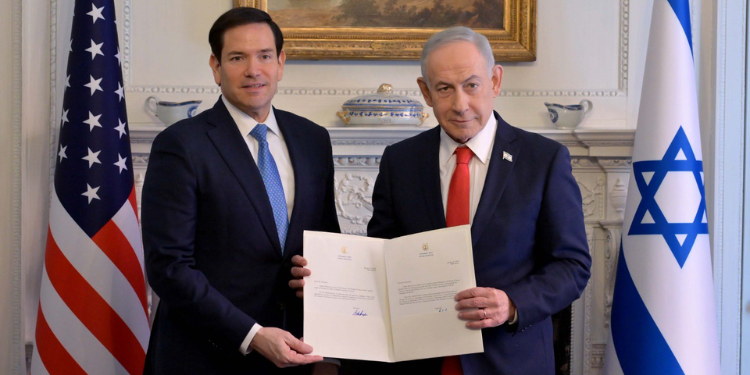
Meanwhile, U.S. Secretary of State Marco Rubio has announced that authorities have arrested and revoked the permanent residency of two women, whom the U.S. claims are relatives of late Iranian Major‑General Qassem Soleimani. His daughters denied any relation to the women.
Comments
No comments yet. Be the first to share your thoughts.