
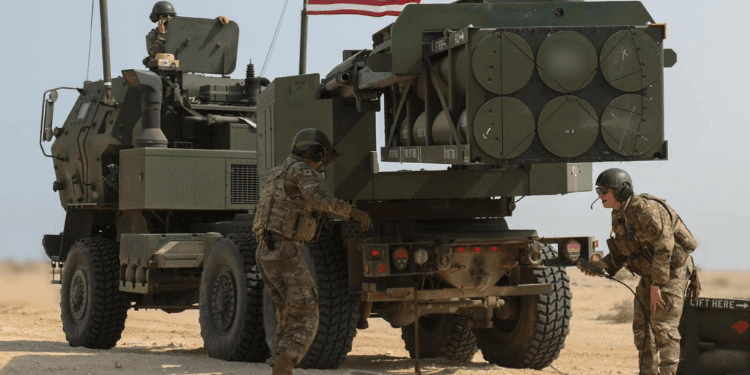
The United States has launched a series of strikes targeting Iranian-linked sites shortly after Iran rejected a proposed peace deal from President Donald Trump.
The announcement came from U.S. Central Command, which said the operation was aimed at weakening Iran’s military capacity.
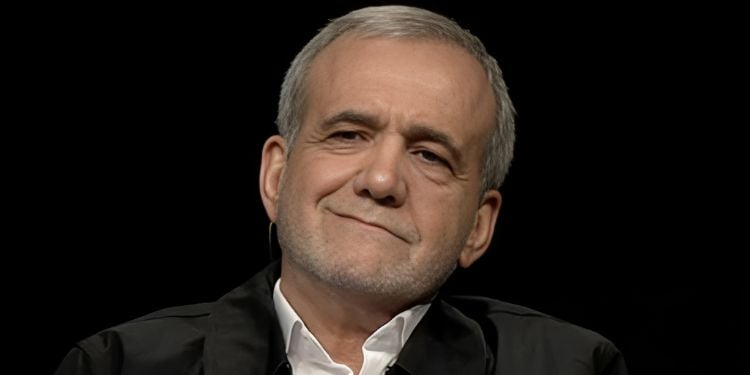
Iran has informed the United States through intermediaries that it rejects the Trump administration’s 15-point proposal for negotiations.
Iran’s English-language Press TV reported the rejection on Wednesday. Barak Ravid reported this for Axios.
A senior Iranian official told Press TV the U.S. terms were “excessive” and the war would only end “on Tehran’s own terms and timeline.” The official added that Tehran saw the proposal as a ploy.
Press TV reported that Iran has set five conditions for a ceasefire and ending the war:
- Complete halting of attacks and assassinations by the U.S. and Israel
- The establishment of mechanisms to ensure the war does not resume
- Compensation for damages caused during the war
- Halting all U.S. and Israeli attacks against Hezbollah in Lebanon and pro-Iranian militias in Iraq
- Receiving international recognition and guarantees for Iran’s authority over the Strait of Hormuz
Iran has denied that any direct backchannel talks took place beyond indirect discussions about reviving negotiations.
The rejection came after President Donald Trump claimed progress in conversations and postponed a threatened strike on Iranian power plants for five days.
U.S. Forces Strike Iranian Military Targets
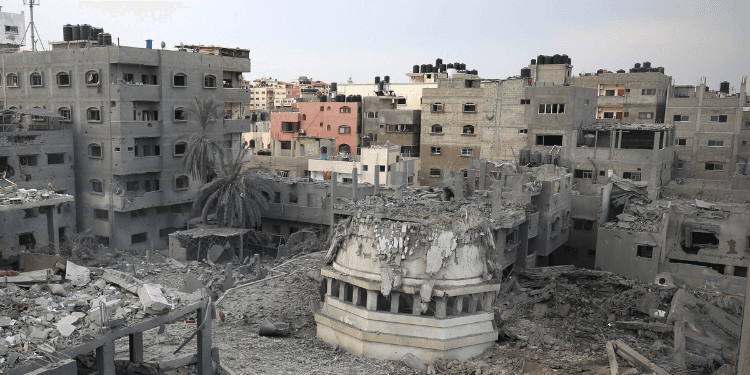
Hours after the rejection became public, U.S. Central Command announced new strikes. In a post on X, CENTCOM stated: “U.S. forces are striking targets to degrade the Iranian regime’s military infrastructure and capabilities that have threatened American troops and regional partners for decades.”
CENTCOM has reported that U.S. forces have destroyed more than 9,000 military targets inside Iran since the start of Operation Epic Fury on February 28. These include command and control facilities, air defense systems, missile and drone sites, naval vessels, and production plants such as the Qom Turbine Engine Production Plant.
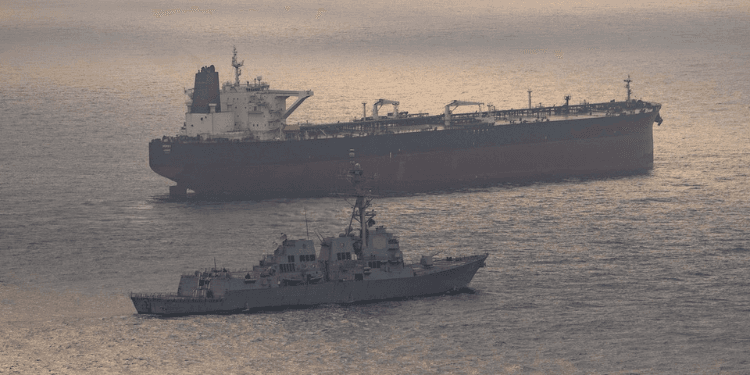
The strikes continued as the U.S. sent thousands of additional troops to the region. Iran has maintained pressure on the Strait of Hormuz, disrupting oil shipments and driving up global fuel prices.
Trump Claims Progress Despite Rejection
President Donald Trump had said the U.S. held “very good and productive” conversations with Iranian representatives. He stated there were “15 points of agreement” and delayed strikes on energy infrastructure to allow time for talks.
Iran rejected those claims and said no such productive talks occurred. The 15-point U.S. proposal was based on a framework from May 2025 that Iran had not accepted at the time. Elements included limits on sanctions relief funds, removal of uranium stockpiles, disabling of enrichment facilities, and creation of a regional consortium for nuclear fuel.
Why This Matters
The immediate resumption of U.S. strikes after Iran’s rejection shows the gap between the two sides and raises the risk of further escalation in a war that has already killed thousands and disrupted global oil flows.
With Iran holding to its five conditions and the U.S. pressing military action, the path to any ceasefire remains blocked while combat operations continue.
Comments
No comments yet. Be the first to share your thoughts.