

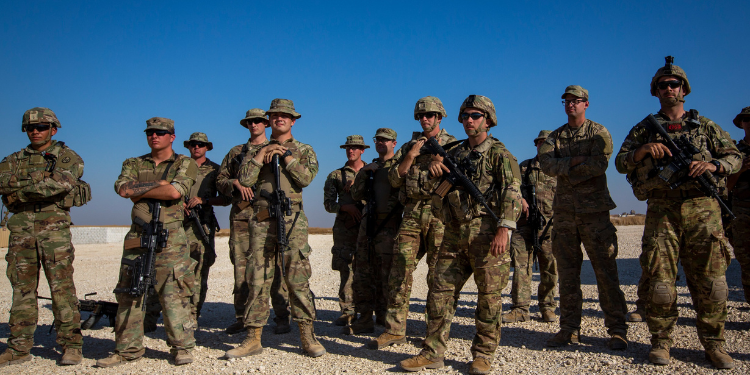
The Pentagon is preparing to deploy approximately 3,000 soldiers from the U.S. Army’s 82nd Airborne Division to the Middle East.
A written deployment order for a brigade combat team from the division’s Immediate Response Force, based at Fort Liberty, North Carolina, along with elements of the division headquarters, is expected to be signed within hours.
Two U.S. officials told The Wall Street Journal the unit specializes in rapid response and can deploy anywhere in the world within 18 to 24 hours, often by parachute into contested areas. Reports from Reuters and The New York Post confirm the move.
- The deployment adds to more than 50,000 U.S. forces already stationed in the region.
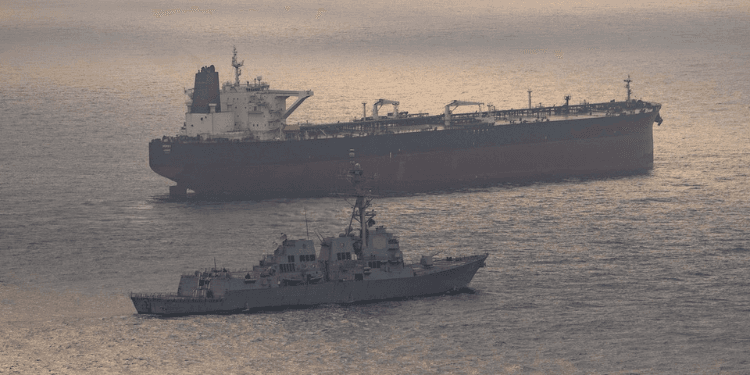
- It follows the recent dispatch of thousands of Marines and sailors, including units aboard the USS Boxer amphibious assault ship, to the Persian Gulf.
- Possible roles include securing key sites such as Kharg Island, Iran’s primary oil export terminal, or supporting operations to reopen the Strait of Hormuz for tanker traffic.
No final decision has been made on committing U.S. ground troops inside Iran, which would mark a significant escalation given Iranian missile and drone capabilities.
Conflict Enters Fourth Week with Mixed Signals
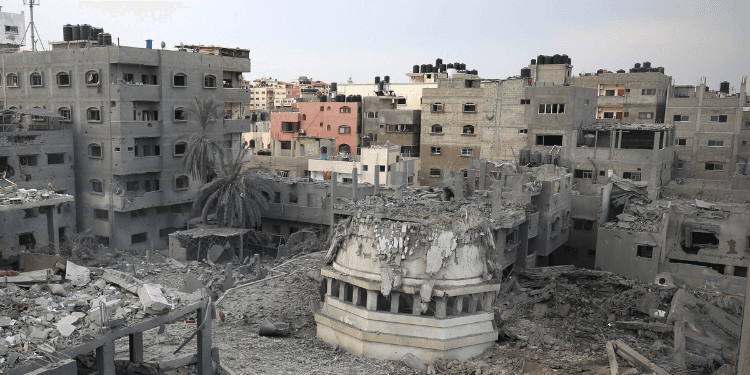
The war began on February 28, 2026, when the United States and Israel launched airstrikes on multiple targets across Iran.
Iran retaliated with missile attacks and disrupted oil shipping in the Strait of Hormuz, prompting further U.S. naval reinforcements.
On March 23, President Trump announced a five-day delay in planned strikes on Iranian energy infrastructure, including power plants.
He described conversations with Iranian representatives through U.S. envoys as “very good and productive” and cited “major points of agreement.” Trump said the U.S. would assess progress before deciding next steps.
Iran’s Foreign Ministry quickly denied any direct or productive talks. Officials stated no negotiations were underway and vowed to continue fighting until complete victory.
Israel has maintained strikes on Iranian targets, while Iran has launched retaliatory missile barrages.
Public support in the United States for deeper military involvement remains limited, with polls showing low backing for strikes on energy sites or ground troop commitments.
Why it matters
This troop deployment occurs as diplomatic efforts appear stalled. The buildup provides additional military options but also highlights that attempts to de-escalate have not reduced tensions.
The conflict centers on a critical global energy chokepoint. Disruptions in the Strait of Hormuz and at Kharg Island directly threaten oil flows that supply a large share of the world’s energy.
Any prolonged closure or damage risks sharp increases in global oil prices, higher fuel costs for consumers, and broader economic strain on import-dependent nations. Securing these sites could stabilize shipping lanes, but ground operations carry high risks of wider confrontation.
The situation demands close monitoring because further escalation would affect energy markets, international trade routes, and regional stability for months or years ahead.
Comments
No comments yet. Be the first to share your thoughts.