
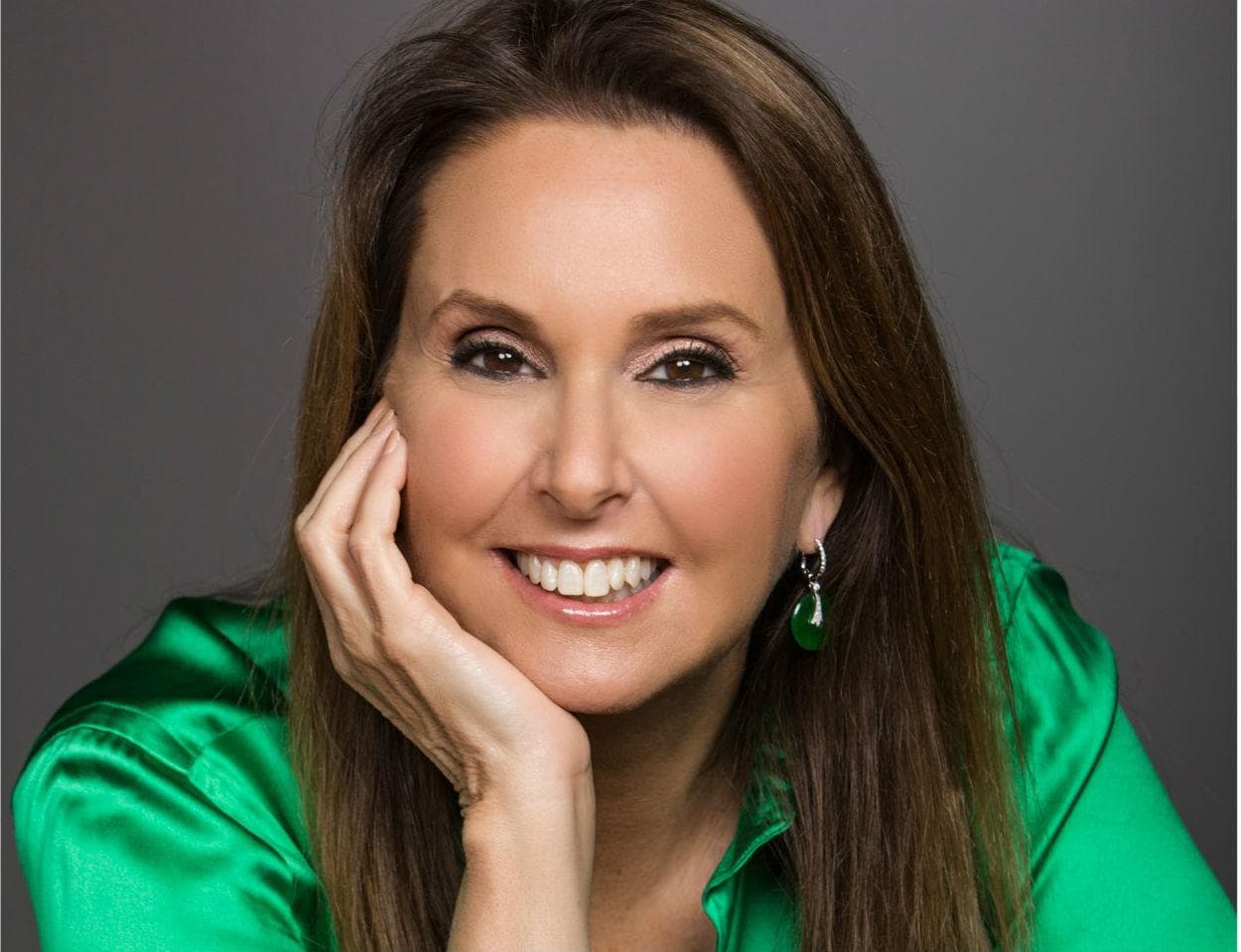
Shari Arison is an Israeli-American businesswoman and philanthropist with an estimated net worth of $6 billion. She inherited a substantial business empire from her father, Ted Arison, the founder of Carnival Cruise Lines. Over the years, she expanded her influence through banking, infrastructure, real estate and other investments in Israel.
Arison is best known for her former controlling stake in Bank Hapoalim, one of Israel’s largest financial institutions, and her leadership of the Arison Group. Beyond business, she has become a prominent advocate of philanthropy, environmental responsibility and conscious capitalism. Her approach has focused on combining commercial success with social impact.
Although she later reduced her involvement in major corporate operations, her investments and philanthropic initiatives have kept her among Israel’s most prominent wealthy business figures.
| Shari Arison Net Worth | $6 Billion |
| Date of Birth | September 9, 1957 |
| Place of Birth | New York City |
Table of Contents
ToggleEarly Life
Shari Arison was born on September 9, 1957, in New York City. She is the daughter of Ted Arison, an Israeli-American entrepreneur who founded Carnival Cruise Lines, and Mina Arison, who was involved in family philanthropy and civic activities.
She has a younger brother, Micky Arison, who later became chairman of Carnival Corporation and owner of the Miami Heat basketball team.
Arison spent parts of her childhood in the United States and Israel. After her parents divorced, she lived for much of her youth in Miami, where her father was developing Carnival into a major cruise company.
Growing up in a wealthy business family exposed her to entrepreneurship and corporate leadership. However, Arison has also described her early life as emotionally complex. Her experiences contributed to her later interest in spirituality, personal development and philanthropy.
Inheritance and Rise to Wealth
A major turning point in Arison’s financial life came in 1999, when her father died. Ted Arison had built a substantial business empire that included a controlling interest in Bank Hapoalim and investments in several Israeli industries.
His death transferred significant wealth and business responsibilities to his family. Shari Arison emerged as one of the principal figures overseeing the inherited assets.
Rather than remaining a passive beneficiary, she became actively involved in managing the family’s investments through the Arison Group. The group’s interests covered banking, infrastructure, real estate, construction materials and other industries.
The inheritance placed Arison among the wealthiest women in the world and made her a major figure in Israel’s corporate sector. Her wealth grew through the family’s established investments and her role in overseeing the business group.
Bank Hapoalim
Bank Hapoalim was one of the most important assets in Arison’s business portfolio. Through the Arison Group, she controlled a major stake in the financial institution, which played a significant role in Israel’s economy.
The bank provided financial services to individuals and businesses while supporting commercial activities across the country. Its position in the financial sector gave Arison considerable influence in Israeli business.
During her period of ownership, she maintained strategic oversight while relying on professional management teams to handle daily operations. Her leadership coincided with major developments in international finance, including the 2008 global financial crisis.
The period also brought regulatory scrutiny and public criticism, challenges that often accompany the ownership of large financial institutions.
In 2018, Arison sold her controlling stake in Bank Hapoalim. The transaction marked a significant change in her investment strategy and reduced her direct involvement in traditional banking.

The Arison Group
Beyond Bank Hapoalim, the Arison Group held interests in several sectors of the Israeli economy. Its portfolio included construction materials, infrastructure, water-related businesses, energy and commercial real estate.
These investments helped establish the group as a diversified business organization rather than a holding company dependent on a single industry.
Arison also sought to incorporate environmental and social considerations into the group’s investment decisions. Her approach emphasized sustainability, responsible business practices and the belief that companies could generate profits while contributing to society.
This philosophy became an important part of her corporate identity. It also distinguished her from business leaders who focused primarily on financial performance.
Philanthropy
Philanthropy has played a major role in Arison’s public life. She established the Ted Arison Family Foundation in honour of her father. The foundation supports initiatives in areas such as education, healthcare, the arts and social development.
Through the foundation and other charitable activities, Arison has supported projects in Israel and beyond. Her work has also promoted volunteerism, environmental awareness and stronger communities.
She has argued that wealthy individuals and successful businesses have a responsibility to contribute to society. This belief has influenced how she approaches both philanthropy and investment.
Her charitable activities have helped shape her reputation beyond the business world. While her wealth came largely from inherited corporate assets, her philanthropic work has become a central part of her public identity.
Books and Conscious Capitalism
Arison has also used books and public appearances to communicate her personal philosophy. Her message focuses on consciousness, intention, ethical leadership and the relationship between individual choices and wider social outcomes.
She has advocated for what is commonly described as conscious capitalism. The concept promotes the idea that businesses should consider their effects on employees, communities and the environment alongside their financial objectives.
Her views have attracted support from people interested in responsible business practices. However, the combination of spiritual ideas and large-scale commercial activity has also drawn skepticism from critics.
Nevertheless, Arison has continued to promote the belief that business success should be measured by more than financial returns.
Later Years and Public Profile
Following the sale of her controlling stake in Bank Hapoalim, Arison gradually reduced her direct involvement in corporate leadership. She shifted more attention towards philanthropy, personal interests and initiatives connected to her social philosophy.
Her public profile became less focused on managing major corporations and more closely associated with charitable activities and the legacy of the Arison family.
Despite stepping back from some business responsibilities, her influence remains linked to the companies and institutions she helped oversee. Her career also illustrates the opportunities and responsibilities that come with inheriting a major business empire.



Comments
No comments yet. Be the first to share your thoughts.