
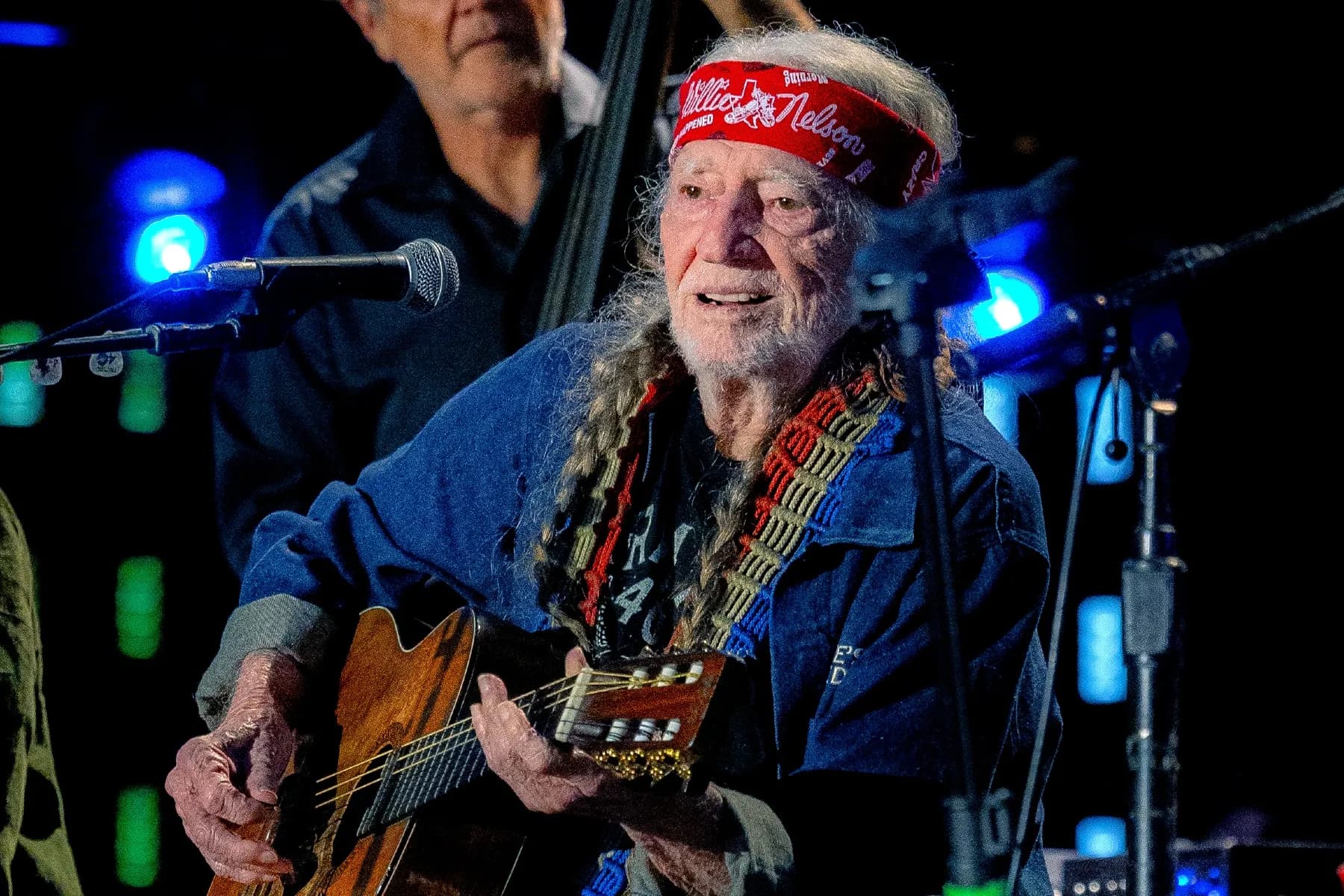
Willie Nelson has an estimated net worth of $20 million. The American country music singer, songwriter, actor, author and activist has built his fortune through a career spanning more than six decades.
Nelson is one of the most recognizable figures in American music and one of the leading pioneers of the outlaw country movement. His distinctive voice, unconventional guitar playing and storytelling style helped reshape country music during the 1970s.
His best-known songs include “On the Road Again,” “Always on My Mind,” “Blue Eyes Crying in the Rain,” “Crazy” and “Night Life.” He has also released dozens of albums and worked with some of the biggest names in country, rock and popular music.
Nelson’s income has come from music sales, songwriting royalties, touring, acting, publishing and business ventures. He has also built significant value through his properties and other investments.
Despite earning millions during his career, Nelson experienced one of the most famous financial crises in music history after the Internal Revenue Service pursued him for millions of dollars in unpaid taxes.
| Willie Nelson Net Worth | $20 Million |
| Date of Birth | April 29, 1933 |
| Place of Birth | Abbott, Texas |
Table of Contents
ToggleEarly Life
Willie Hugh Nelson was born on April 29, 1933, in Abbott, Texas. His parents were Myrle and Ira Nelson.
Nelson was raised largely by his grandparents after his parents separated. His grandfather bought him a guitar when he was six years old and taught him some basic chords.
Music became an important part of his childhood. Nelson and his sister, Bobbie, sang gospel songs in their church choir. He wrote his first song when he was seven and began playing guitar with a local band when he was nine.
While attending Abbott High School, Nelson played football, basketball and baseball. He also performed with The Texans, a band formed by his sister’s husband, Bud Fletcher.
The group played in honky-tonks and had a Sunday morning radio program.
Nelson graduated from high school in 1952. He briefly served in the U.S. Air Force before enrolling at Baylor University to study agriculture.
He eventually left college to pursue music.
Before achieving financial success as a musician, Nelson worked several jobs, including positions as a saddle maker, tree trimmer, bouncer and employee at an auto parts shop.
Early Songwriting Success
Nelson initially found success as a songwriter rather than as a major recording artist.
After moving to Tennessee in the late 1950s, he began writing songs that would later become country music standards.
One of his biggest early successes was “Crazy,” which became a major hit for Patsy Cline. Nelson also wrote “Hello Walls” for Faron Young and “Night Life,” a song that was later recorded by numerous artists.
Although his songwriting career was gaining momentum, Nelson struggled to fit into the polished Nashville recording system.
His unusual vocal phrasing and relaxed musical style differed from the conventional country sound favored by many record executives at the time.
Nelson eventually returned to Texas, where he gained greater artistic freedom and began developing the sound that would define his career.
The Outlaw Country Movement
Nelson became one of the central figures in the outlaw country movement during the 1970s.
The movement rejected the highly polished Nashville production style and gave artists greater control over their music.
Nelson worked alongside artists including Waylon Jennings, creating a sound that combined traditional country with elements of rock, folk, blues and other genres.
His 1973 album Shotgun Willie marked an important turning point in his career.
Two years later, Red Headed Stranger became a major commercial and critical success. The album included “Blue Eyes Crying in the Rain,” which became one of Nelson’s signature songs.
Nelson’s stripped-down production style and narrative songwriting helped establish him as one of the most important country artists of his generation.
Mainstream Success
Nelson’s popularity grew significantly during the late 1970s and 1980s.
His 1978 album Stardust demonstrated his ability to move beyond traditional country music. The record featured Nelson performing a collection of American pop standards and became one of the most successful albums of his career.
His distinctive voice and guitar playing helped him appeal to audiences outside the country music market.
Nelson also achieved major success with songs such as “On the Road Again” and “Always on My Mind.”
His ability to cross musical boundaries made him one of the most commercially successful and recognizable American musicians of his era.
The Highwaymen
Nelson further strengthened his position in country music through his work with The Highwaymen.
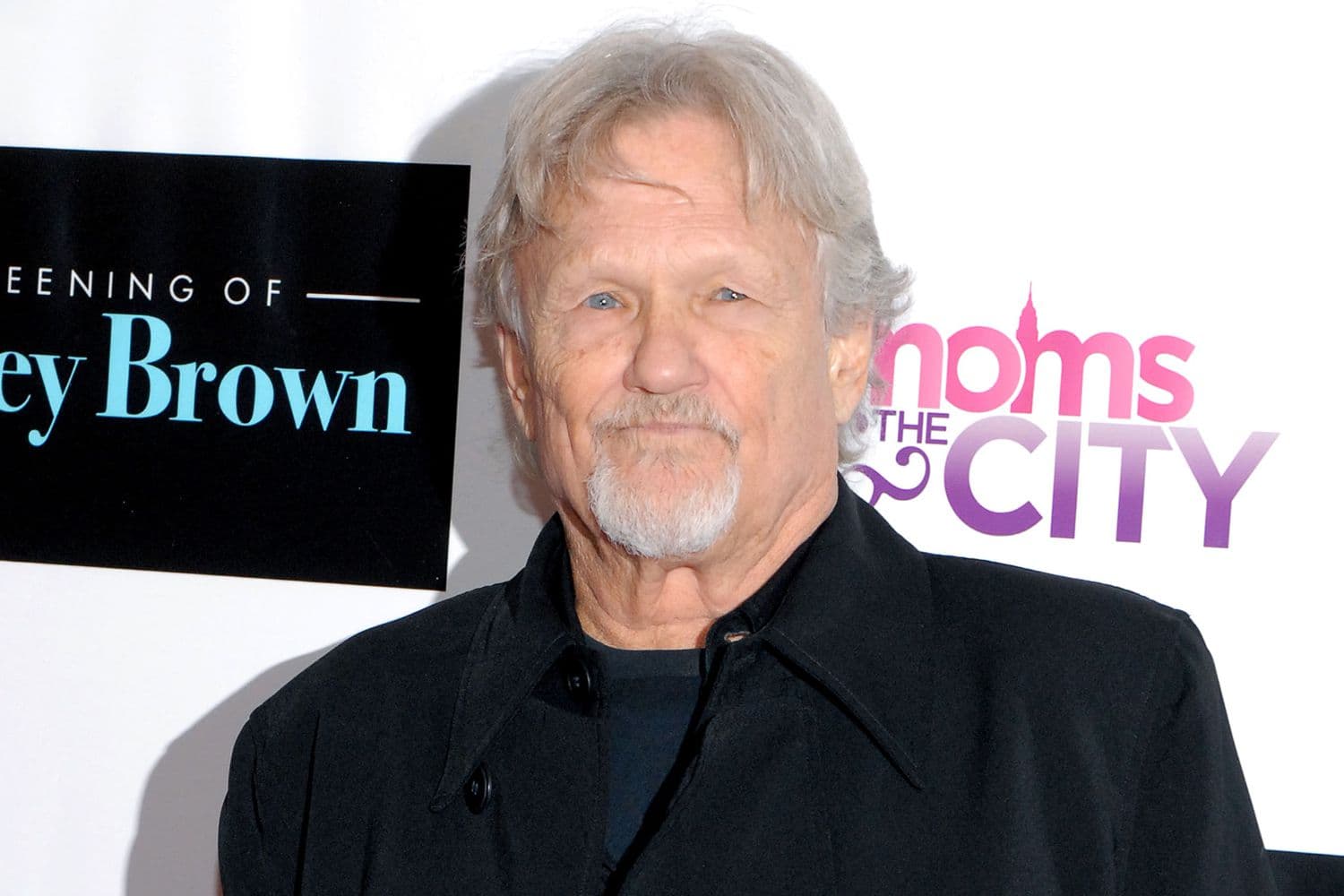
The supergroup brought together Nelson, Johnny Cash, Waylon Jennings and Kris Kristofferson.
The group’s debut single, “Highwayman,” became a major country hit, reaching the top of the charts.
The Highwaymen released multiple albums and toured together, giving Nelson another important platform for recording and live performances.
Their collaboration remains one of the most celebrated partnerships in country music history.
IRS Tax Debt
One of the most dramatic chapters in Willie Nelson’s financial history came in the late 1980s and early 1990s.
In 1990, the IRS presented Nelson with a tax bill reportedly totaling about $32 million in unpaid taxes, penalties and interest.
The dispute was connected to tax shelters that Nelson had invested in during the early 1980s. The IRS later rejected many of the deductions associated with those investments.
Nelson’s legal team negotiated the amount down to approximately $16.7 million, but he still did not have enough money to settle the debt.
The federal government subsequently seized many of his assets.
The IRS Seizure and “Trigger”
In 1990, federal authorities seized assets belonging to Nelson, including property, bank accounts, recording equipment and other valuable possessions.
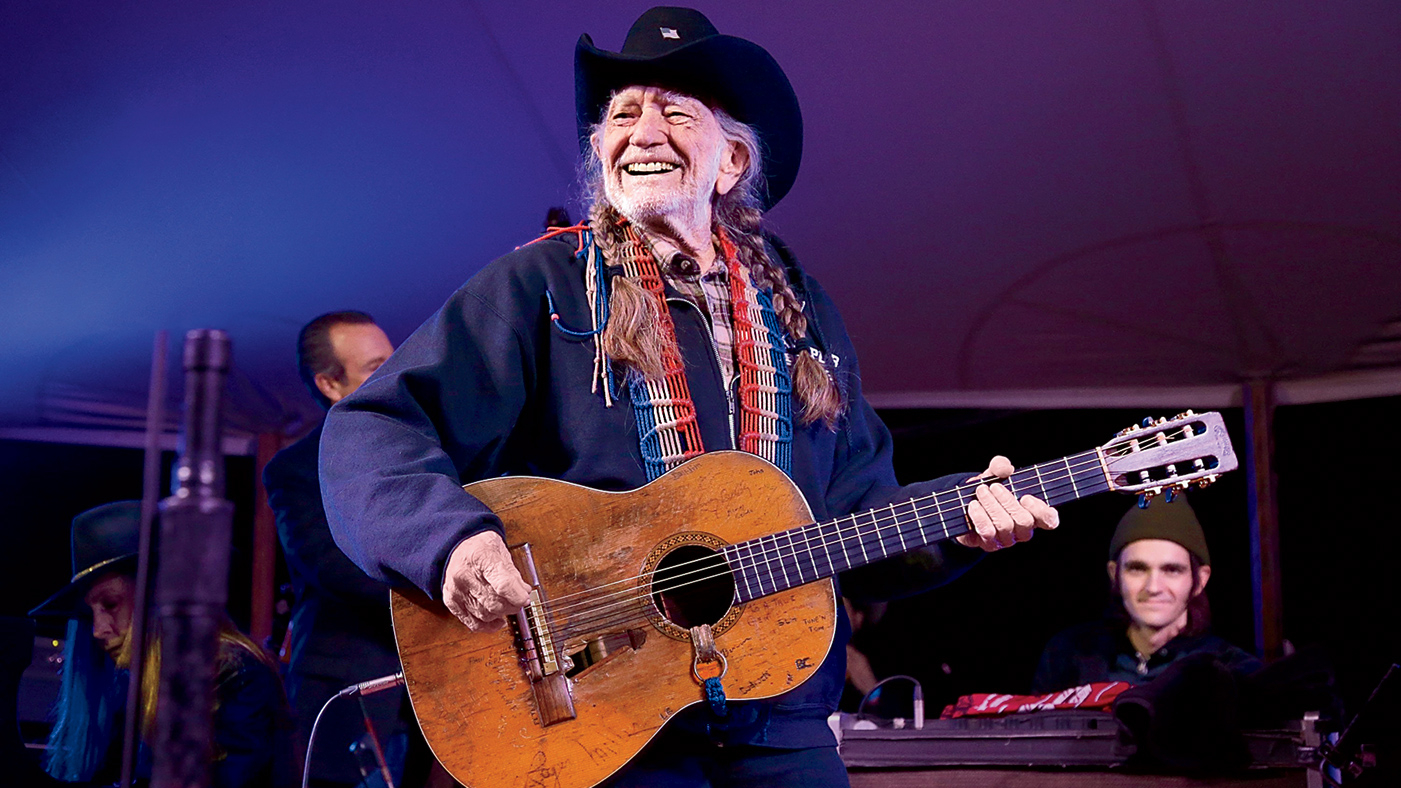
One of the items Nelson managed to protect was his famous guitar, a Martin N-20 classical guitar named “Trigger.”
The guitar had become an essential part of Nelson’s musical identity. It was moved out of reach of the authorities before the asset seizures.
The story became one of the most famous examples of a musician facing financial disaster despite having achieved enormous commercial success.
The IRS Tapes and Paying Off the Debt
Nelson responded to his financial problems in an unusual way.
He recorded The IRS Tapes: Who’ll Buy My Memories?, an acoustic album featuring Nelson and his guitar.
The project was marketed directly to fans, with a portion of the proceeds going toward his tax obligations.
Nelson also sold assets and reached a settlement with the IRS.
His supporters played an important role during the crisis. Friends, fans and people associated with the farming community purchased some of his assets at auction and helped preserve parts of his financial and professional life.
Nelson eventually settled his tax debt in the mid-1990s.
The episode became an important part of his personal story and demonstrated how severely financial decisions can affect even highly successful entertainers.
Acting Career
Nelson has also earned money from acting.
He made his film debut in The Electric Horseman in 1979 and later appeared in movies including Honeysuckle Rose, Barbarosa, Red Headed Stranger, Wag the Dog and The Dukes of Hazzard.
His relaxed personality and distinctive appearance allowed him to move naturally between music and film.
Nelson’s acting career added another source of income while also expanding his popularity beyond country music.
Farm Aid and Activism
Nelson has used his celebrity to support American farmers.
In 1985, he co-founded Farm Aid with Neil Young and John Mellencamp. The organization was created to support family farmers and raise awareness of the economic challenges facing agricultural communities.
Farm Aid developed into an annual concert and fundraising event.
Nelson has also been an outspoken supporter of environmental causes and marijuana legalization.
His activism has become an important part of his public identity and has strengthened his reputation as a cultural figure beyond music.
Later Music Career
Nelson has remained remarkably productive throughout his later years.
Unlike many artists from his generation who eventually retired from recording and touring, Nelson continued releasing albums and performing for audiences.
His later catalog has included original music, collaborations and tribute projects.
His continued touring has also allowed him to maintain an important source of income decades after his initial rise to fame.
Nelson’s longevity has helped him remain relevant to both older fans and newer generations of listeners.
Legal Issues
Nelson has faced several marijuana-related arrests throughout his life.
His first known marijuana arrest occurred in Dallas in 1974.
He was also arrested in the Bahamas in 1977 after marijuana was reportedly discovered in his clothing. The charges were eventually dropped, although Nelson was banned from returning to the Bahamas for a period.
In 1994, police found marijuana in Nelson’s vehicle near Waco, Texas.
He was arrested again in Louisiana in 2006 while traveling to the funeral of former Texas Governor Ann Richards. The incident involved marijuana and hallucinogenic mushrooms, and Nelson eventually received probation.
In 2010, Nelson was arrested in Sierra Blanca, Texas, after marijuana was found aboard his tour bus.
The incidents did little to diminish his status as one of America’s most recognizable musicians.
Personal Life
Willie Nelson has been married four times and has eight children.
He married Martha Matthews in 1952, and the couple had three children. Their marriage ended in 1962.
Nelson later married Shirley Collie. They were married from 1963 to 1971.
In 1971, Nelson married Connie Koepke. They had two daughters before divorcing in 1988.
Nelson married Annie D’Angelo in 1991. They have two sons, Lukas and Micah.
Lukas Nelson followed his father into music and has established his own career as a singer, songwriter and guitarist.
Real Estate
Real estate has also been part of Willie Nelson’s wealth.
His longtime home in Spicewood, Texas, has been valued at several million dollars. He also owns property in the area and has been associated with Pedernales Country Club.
Nelson purchased a home in Maui, Hawaii, in 1983.
He also owns Lucky Ranch, a large property near his Texas ranch. Much of the land has been used to provide a home for rescued horses.
The ranch reflects Nelson’s long-standing connection to animals, farming and rural life.

Comments
No comments yet. Be the first to share your thoughts.