
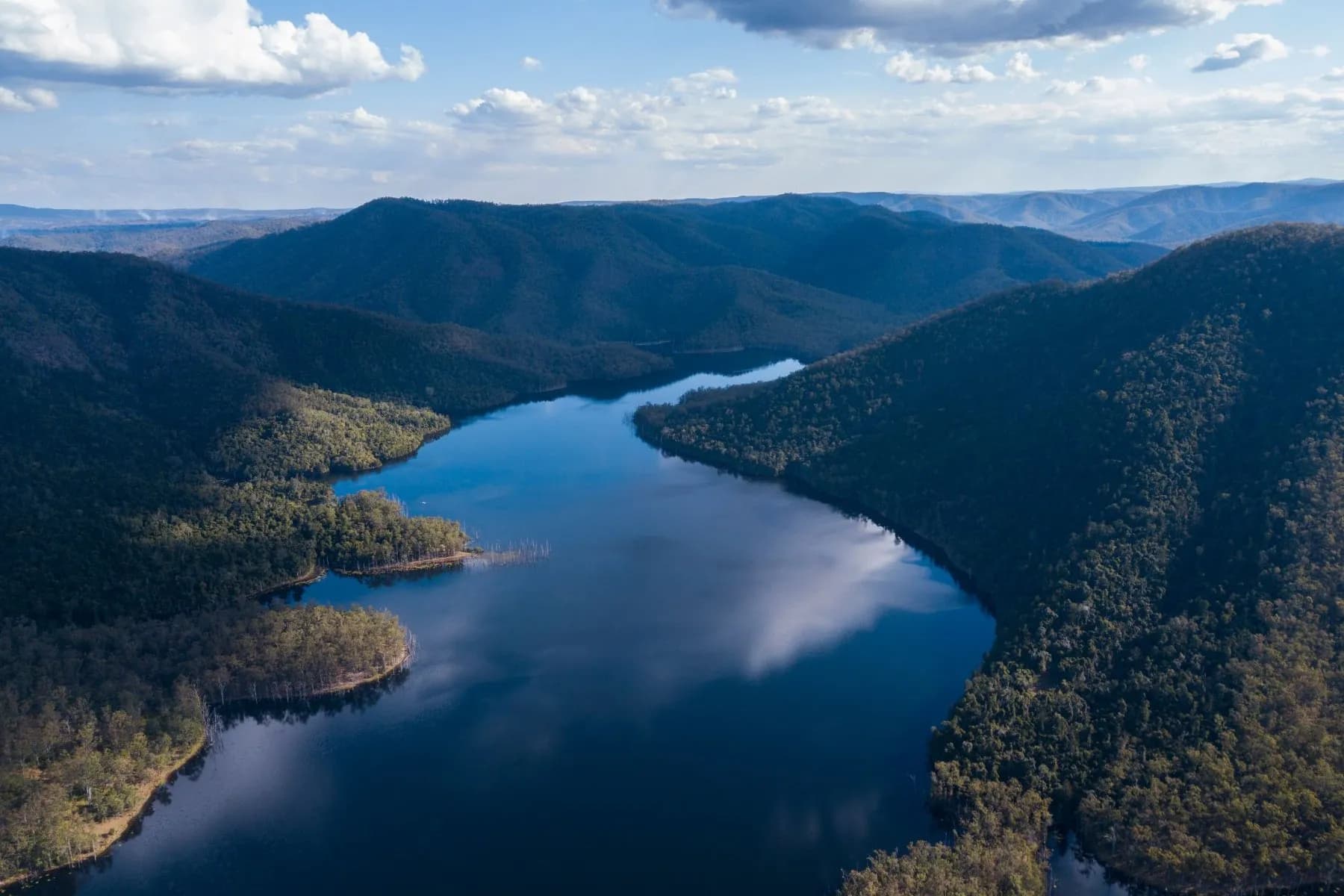
The Borumba pumped hydro project has been put on hold in Queensland, and the timing is telling. The freeze landed within a week of Snowy Hydro admitting its own scheme could now cost up to $25 billion.
Procurement for exploratory tunnelling, drilling and earthworks has stopped at the $18.4 billion site south-west of Gympie. No explanation was given. Treasurer and energy minister David Janetzki confirmed the pause to the AFR.
Borumba is big by any measure. It would provide 2,000 MW of generation and up to 48,000 MWh of storage, equivalent to 24 hours of output. It’s one of the biggest storage plans in the nation. It also plays a key role in any strategy for the replacement of Queensland’s coal fleet.
Other energy projects making headway is the Mount Britton Battery project which is seeking federal environmental approval for a 500 MW, four-hour battery energy storage development near Nebo, in Queensland’s Mackay hinterland. The proposed 2,000 MWh facility would strengthen electricity storage capacity near a major transmission connection while placing new infrastructure close to competing battery developments.
Why the Borumba pumped hydro project in Queensland is suddenly shaky
The answer starts in the Snowy Mountains. On 22 October, Snowy Hydro’s latest reassessment set a target cost of $22.2 billion. It could reach $25 billion if it’s contingent. The scheme was sold for $2 billion in 2017. The completion date has been delayed to late 2029.
Janetzki didn’t cover it up. He told the AFR that the Borumba project was being carefully assessed following the $36.8 billion “pumped hydro hoax” by the former Labor government and also the over 20 times cost escalation of the federal government’s Snowy Hydro 2.0.
Borumba has its own record. In December 2024, Queensland Hydro also revealed that costs had spiralled out of control, to over $18 billion, up from around $4 billion. The first power was lost from 2030 to approximately 2035. The odds of hitting the original date were estimated at less than 1%. The LNP continued to hold Borumba alive and federal environmental approval was granted in December 2025. The budget allocated $324 million for early works.
A government that has already killed three schemes
The Crisafulli government also scrapped the 5GW Pioneer-Burdekin scheme weeks after taking office in late 2024, calling it unaffordable. It then dropped the state renewable goals and shifted to coal plant extension. Four pumped hydro schemes were considered in a Queensland Investment Corporation review later. Mt Rawdon was shelved in July. Borumba was the survivor.
That’s why the pause is a signal, not admin. Queensland Hydro says it is “continuing to review its program of work”. Exploratory works, geotechnical data collection and economic evaluations are ongoing. The business case is submitted to government in 2026-27. That document will determine whether $18.4 billion passes a budget test.
There is also a precedent, and it is not reassuring. Kidston, the first new pumped hydro in Australia in 40 years, is 250 MW against Borumba’s 2,000 MW. It is also running about a year late in commissioning.
Pumped hydro is the only proven method of storing solar energy over many hours at grid scale. Despite this, minutes and a few hours are covered by batteries. Coal stations are being phased out in Queensland this decade, regardless of the outcome. So the issue is not if the state needs storage. It’s whether Borumba’s numbers survive contact with the Snowy 2.0 example. The tunnellers wait for now.
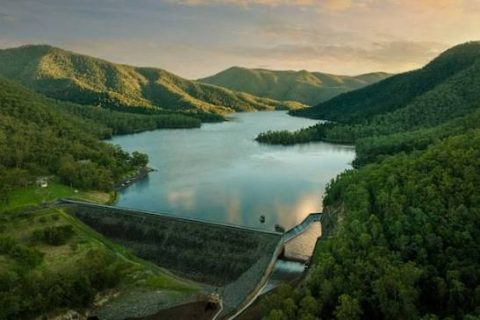
Project Overview: Borumba Pumped Hydro Project in Queensland
- Project Value: $34.5B (developer estimate)
- Location: 20-Mile Bend, Palm Beach County
- Developer: PBA Holdings
- Status: Administrative approval granted
Scope
- 202-acre site, three data center buildings
- Data center space: 698,000 square feet
- Warehouses: 1.2 million square feet
- 2016 master plan rights also reassigned
Project Highlights
- 60-decibel noise cap
- Also continuous sound monitoring
- 100,000-gallon daily water limit
- Also 850-foot Arden buffer
Key Developments
- July 15 commission rejection, 5-1
- Also oct. 7 staff approval for expansion
- One-year moratorium in force
- Nov. 18 rules meeting also scheduled
Key Challenges
- Outdated zoning rules
- Resident transparency concerns
- Landowner lawsuits and also state appeal
- Also 600 MW projected power demand
Outlook
- Commission retains final approval
- Advisory task force under discussion
- Moratorium also expires September 2027
- Special magistrate hearing pending

Comments
No comments yet. Be the first to share your thoughts.