
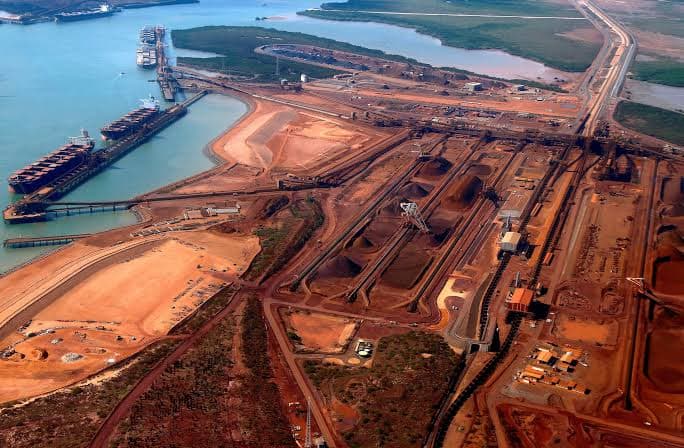
Australia’s federal government has granted environmental approval to the $3 billion Port Hedland Iron Project, a POSCO-led low-carbon iron plant in Western Australia’s Pilbara region. The approval, dated October 7, 2026, covers a hot briquetted iron facility planned to produce 2 million tons a year, although partners have yet to take a final investment decision.
The venture is led by POSCO Holdings, which holds 51%, with Marubeni and China Steel Corporation owning 24.5% each. Port Hedland Iron Pty Ltd, the project developer, plans to feed 3 million to 3.5 million tons of iron ore a year through a pellet plant and a hot briquetted iron facility. The Western Australian Government has put the cost at about A$4.4 billion ($3 billion), and the venture is targeting first output from 2031, according to a state government statement. Australia is the world’s biggest iron ore exporter but has little domestic processing capacity, and the federal government is hoping to add value and support decarbonization in the industry. Environmental approval clears a regulatory gate but does not fund the plant, because the partners must still agree a final investment decision.
Meanwhile, the same gap between approval and financing is visible in New South Wales, where the Horsley Park bioenergy facility would replace natural gas at a brickmaking site with biomethane. Delorean Corporation, which puts the plant’s capital cost at $62.1 million, signed a non-binding $20 million financing mandate with Westpac in October, with financial close targeted for November 18 and construction for December. As a result, commissioning has moved to 2028, compared with the December 2026 completion cited when the project was first approved in July 2025. Brickworks had said in December 2025 that it would no longer progress to a final investment decision, although both companies have since agreed a financial close deadline.
Port Hedland Iron Project Pairs MIDREX Direct Reduction With Gas Today and Hydrogen Later
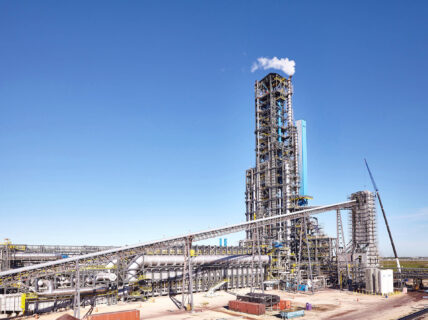
The Port Hedland Iron Project will use MIDREX direct reduction technology, which runs on natural gas instead of coal, according to the federal approval summary. In addition, the proposal includes hydrogen production and storage facilities to support longer-term decarbonization.
Reports on the approval note that green hydrogen could eventually replace gas. Steelmaking contributes about 8% of global carbon dioxide emissions, according to the International Energy Agency, which makes it one of the hardest sectors to decarbonize.
Darren Walsh, chair of the Environmental Protection Authority of Western Australia, said the direct reduction route would cut greenhouse gas emissions at start-up significantly compared with a blast furnace fueled by coking coal. Furthermore, he said emissions would fall again as hydrogen becomes available.
Water, power and natural gas for the Port Hedland Iron Project will come from third parties under separate approvals, according to the proposal description lodged with the state regulator. Meanwhile, the Western Australian Government has said it is working with POSCO on renewable energy options.
Port Hedland Iron Project Targets 2031 Output While Awaiting a Final Investment Decision
The federal approval was issued to Port Hedland Iron Pty Ltd under the Environment Protection and Biodiversity Conservation Act 1999. It remains valid until June 30, 2088, and the Port Hedland Iron Project must commence by October 7, 2031 unless the conditions are amended.
A POSCO official said the approval covers environmental permitting and that follow-up procedures remain before final approval for plant construction. Therefore, the final investment decision still depends on sign-off from Marubeni and China Steel Corporation.
Construction of the first stage has been proposed to begin in the first quarter of 2027, subject to that decision, according to reports on the approval. In addition, the approval summary puts the build at about 2.5 years and the operating life at up to 101 years, which would carry a plant commissioned around 2031 into the 2130s.
The Western Australian Government and POSCO reaffirmed their commitment to the Port Hedland Iron Project in December 2025. At that time, the state said the company was progressing Native Title, environmental and land approvals.
Port Hedland Iron Project Adds Processing Capacity at the Boodarie Industrial Area
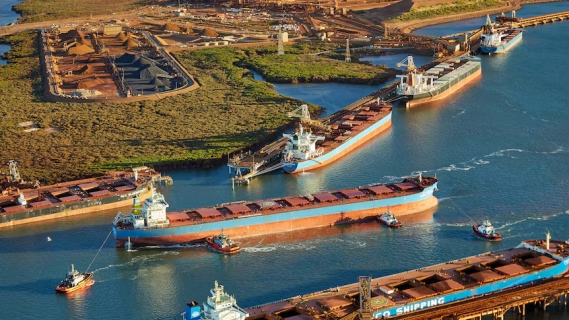
The Port Hedland Iron Project will be developed in the Boodarie Strategic Industrial Area, about 10 km southwest of Port Hedland. HBI and pellets will leave through the Port of Port Hedland.
Most of the pellets will feed the HBI plant, which is designed to produce about 2 million tons a year. Moreover, around 700,000 tons of pellets a year will be exported directly, according to the approval summary.
Documents lodged with the state regulator indicate that iron ore will come from a third-party provider and that HBI and pellets will be shipped to South Korea. Thus, the Port Hedland Iron Project would turn a share of Pilbara ore into a processed product before it leaves Australia.
Project Overview
- Project Name: Port Hedland Iron Project, Stage 1 (formerly Port Hedland Green Steel Project)
- Developer: Port Hedland Iron Pty Ltd, a venture led by POSCO Holdings
- Ownership: POSCO 51%, Marubeni 24.5%, China Steel Corporation 24.5%
- Location: Boodarie Strategic Industrial Area, about 10 km southwest of Port Hedland, Pilbara, Western Australia
- Project Type: Iron ore processing complex with pellet plant, hot briquetted iron plant, and hydrogen production and storage
- Project Value: About A$4.4 billion ($3 billion), per the Western Australian Government
- Iron Ore Feed: 3 million to 3.5 million tons a year
- Output: About 2 million tons of HBI and 700,000 tons of export pellets a year
- Technology: MIDREX direct reduction using natural gas, with hydrogen planned for later
- Federal Approval: Issued October 7, 2026 under the EPBC Act, valid to June 30, 2088
- State Approval: April 2026
- Status: Final investment decision pending approval from partners
- Construction Start: First quarter of 2027 proposed for the first stage, subject to the final investment decision
- Construction Duration: About 2.5 years, per the federal approval summary
- First Output Target: 2031
Project Team
Owner and Developer
- Developer: Port Hedland Iron Pty Ltd
- Lead Partner (51%): POSCO Holdings
- Partner (24.5%): Marubeni Corporation
- Partner (24.5%): China Steel Corporation
Technology
- Direct Reduction Technology: Midrex Technologies
Contractors and Financiers
- Engineering and Construction Contractor: Not publicly disclosed
- Project Financiers: Not publicly disclosed
Public Bodies
- Federal Approval: Australian Government
- State Government: Government of Western Australia
- State Environmental Regulator: Environmental Protection Authority of Western Australia
- Developer: Delorean Corporation
- Biomethane Customer: Brickworks
- Brick Manufacturer: Austral Bricks
- Financier (non-binding mandate): Westpac
- State Government: NSW Government

Comments
No comments yet. Be the first to share your thoughts.